Claudia Cardinale, born Claude Joséphine Rose Cardinale on 15 April 1938 in La Goulette, Tunisia, was a titan of Italian cinema whose luminous beauty and formidable talent made her one of the most enduring icons of the Golden Age of European film. For over six decades, she captivated audiences in more than 175 films, earning a reputation as a sex symbol of the 1960s while simultaneously proving her dramatic range in works by masters such as Federico Fellini and Sergio Leone. Her career, which spanned from the late 1950s until her death in 2025, placed her alongside Sophia Loren and Gina Lollobrigida as one of the defining faces of Italian cinema, and she remained one of the last surviving links to that celebrated era.
Cardinale’s path to stardom began unexpectedly when she won the "Most Beautiful Italian Girl in Tunisia" competition in 1957. The prize, a trip to Italy, brought her to the attention of producer Franco Cristaldi, who became her mentor and later her husband. She made her film debut in a minor role opposite Omar Sharif in Goha (1958), but it was her breakthrough performance in Rocco and His Brothers (1960), directed by Luchino Visconti, that established her as a major talent. She quickly became a star in Italy, delivering memorable turns in Girl with a Suitcase (1961) and Cartouche (1962), before solidifying her international reputation with two landmark films in 1963: Federico Fellini’s surreal masterpiece 8½ and Luchino Visconti’s epic The Leopard. That same year, she brought her charm to Hollywood in the comedy The Pink Panther opposite David Niven.
The mid-1960s saw Cardinale embrace Hollywood with a series of high-profile films, including the war drama Lost Command (1966), the action-comedy Blindfold (1966), and the Western The Professionals (1966). She also starred opposite Tony Curtis in the comedy Don't Make Waves (1967). However, her most iconic role from this period came in 1968 when she starred as the enigmatic former prostitute Jill McBain in Sergio Leone’s epic Western Once Upon a Time in the West, a performance that remains one of the most celebrated in the genre. Despite her success in America, Cardinale grew weary of the Hollywood system and returned to European cinema, where she won the David di Donatello for Best Actress for her roles in The Day of the Owl (1968) and A Girl in Australia (1971).
In the 1970s, Cardinale’s personal and professional life became intertwined with director Pasquale Squitieri, whom she met in 1974 and who became her long-term partner. She starred in several of his films, including Blood Brothers (1974) and Father of the Godfathers (1978), and won the Nastro d'Argento for Best Actress for her portrayal of Claretta Petacci in Squitieri’s Claretta (1984). She also took on a memorable role in Werner Herzog’s epic Fitzcarraldo (1982), playing the love interest of Klaus Kinski. Later in her career, she continued to work steadily, earning the Best Actress Award at the 47th Antalya "Golden Orange" International Film Festival in 2010 for her performance in Signora Enrica. Beyond acting, Cardinale was a passionate advocate for women’s rights, serving as a UNESCO goodwill ambassador for the Defence of Women's Rights from March 2000. In 2011, the Los Angeles Times Magazine named her among the 50 most beautiful women in film history. Claudia Cardinale passed away on 23 September 2025, leaving behind an extraordinary legacy as one of cinema’s most graceful and enduring stars.
⭐
Similar Celebrities

📷
Recent Photos

Lucas Zwirner
21 Bridges Screening
Nov 19, 2019
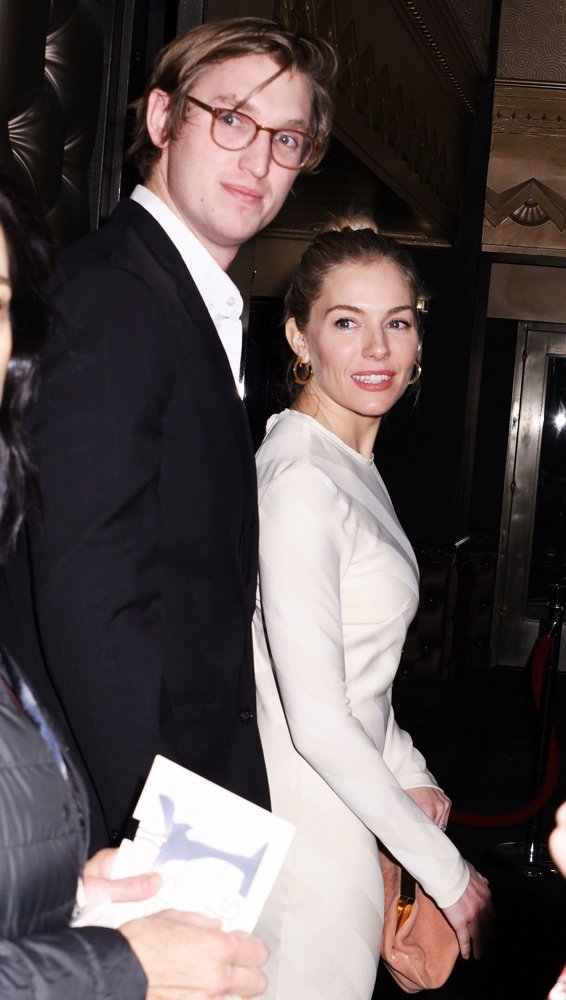
Lucas Zwirner
The 72nd Annual Writers Guild Awards
Feb 1, 2020
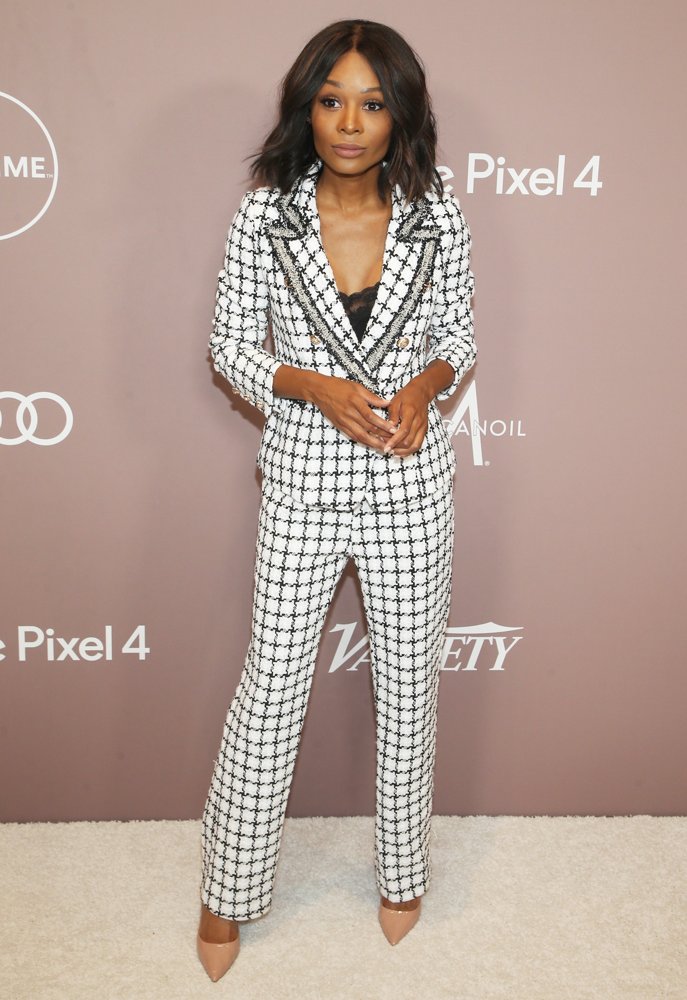
Zuri Hall
Variety's Power of Women 2019 - Arrivals
Oct 11, 2019
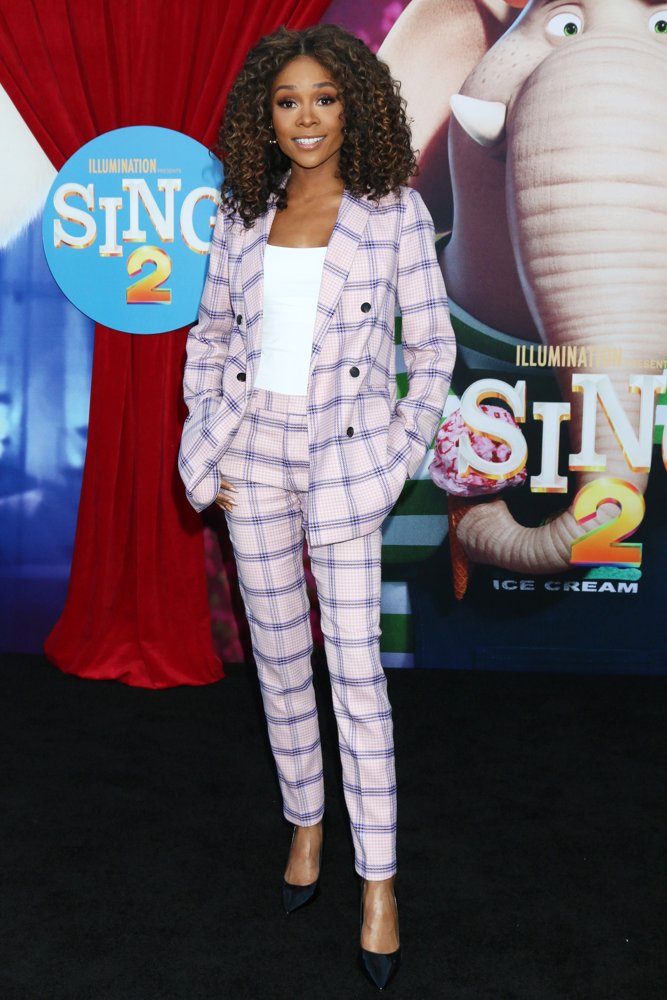
Zuri Hall
Sing 2 Premiere - Arrivals
Dec 12, 2021
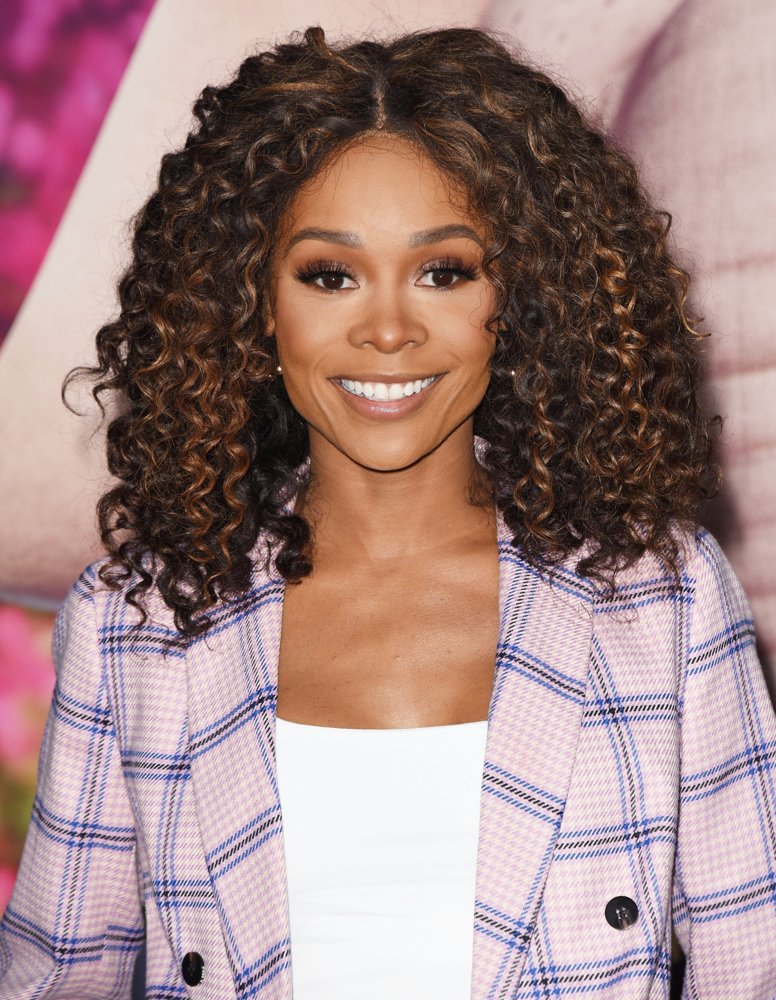
Zuri Hall
Sing 2 Premiere - Arrivals
Dec 12, 2021
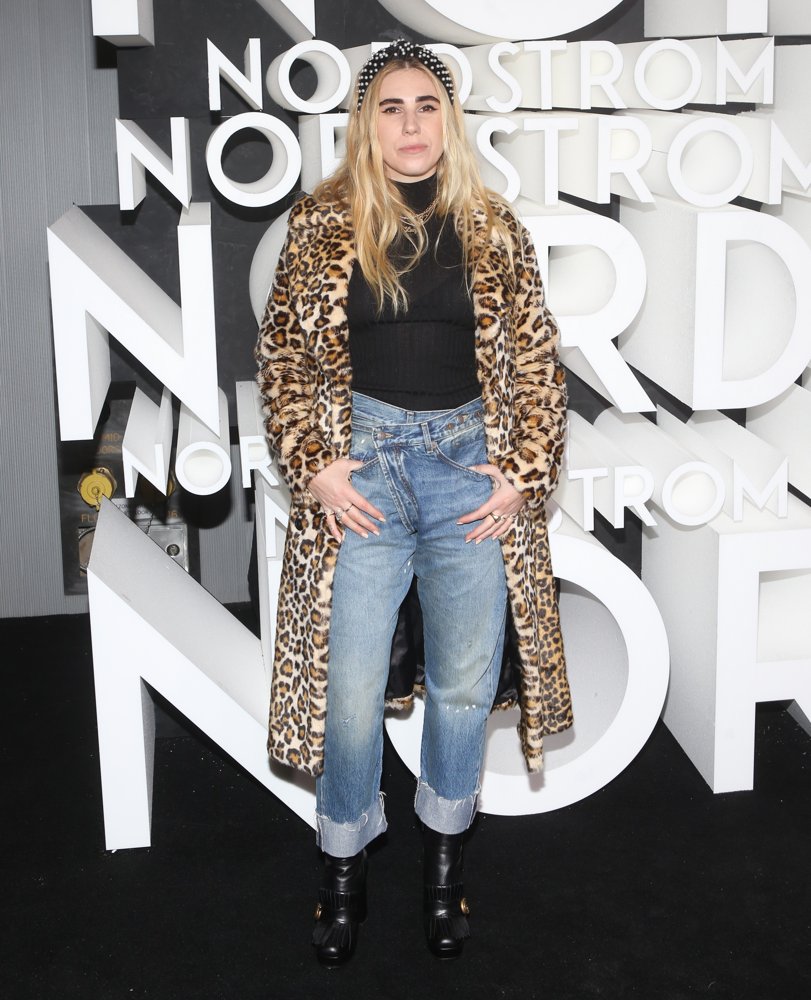
Zosia Mamet
Nordstrom Flagship Opening Party
Oct 22, 2019




⭐Featured Celebrities