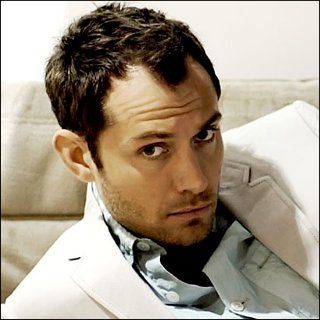
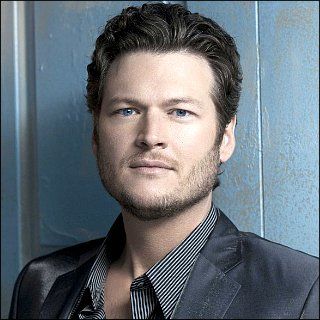
Christopher Cross, born Christopher Charles Geppert on May 3, 1951, in San Antonio, Texas, stands as one of the most distinctive singer-songwriters to emerge from the soft rock era of the late 1970s and early 1980s. With his smooth, melodic voice and sophisticated jazz-inflected arrangements, Cross crafted a signature sound that defined a generation of adult contemporary music, earning him a place among the most celebrated artists of his time. His meteoric rise to fame was marked by an unprecedented sweep at the Grammy Awards, cementing his legacy as a master of the pop ballad.
Cross’s journey into music began in his youth, when he received a guitar as a gift and quickly developed a passion for songwriting. After years honing his craft in local bands and performing in the vibrant Texas music scene, he caught the attention of record executives, leading to the release of his eponymous debut album, Christopher Cross, in 1979. The album was a commercial and critical triumph, showcasing his knack for blending lush production with introspective lyrics. Its breakout single, "Sailing," released in 1980, became an international phenomenon, soaring to number one on the U.S. Billboard Hot 100 and resonating with audiences worldwide. The song’s serene, uplifting melody and poetic imagery of freedom and escape made it an enduring classic, and it earned Cross three Grammy Awards in 1980, including the coveted Record of the Year and Song of the Year, while the album itself took home Album of the Year. This remarkable achievement made Cross the first artist in Grammy history to win all four general field awards in a single ceremony, a feat that remains a testament to his extraordinary talent.
Building on this momentum, Cross continued to dominate the charts with his follow-up work. In 1981, he collaborated with legendary composer Burt Bacharach, lyricist Carole Bayer Sager, and performer Peter Allen on "Arthur's Theme (Best That You Can Do)" for the film Arthur. The song, performed by Cross, became his second number-one hit on the Billboard Hot 100 and earned the quartet the Academy Award for Best Original Song in 1982, adding an Oscar to his already impressive collection of accolades. The track’s whimsical yet poignant refrain, "When you get caught between the moon and New York City," captured the hearts of listeners and solidified Cross’s reputation as a songwriter capable of bridging pop sophistication with cinematic grandeur.
Throughout the 1980s and beyond, Cross continued to release albums and tour, though his later work never quite replicated the commercial heights of his early triumphs. Nevertheless, his influence on the soft rock genre remained profound, with his music inspiring countless artists and remaining a staple of radio playlists. In recent years, Cross has faced significant personal challenges, including health struggles and a near-fatal battle with COVID-19, yet he has persevered, returning to the stage and studio with renewed vigor. He has remained a beloved figure in the music industry, celebrated for his contributions to the craft and his enduring catalog of hits. Today, Christopher Cross is remembered not only as a chart-topping artist but as a pioneering voice whose work continues to evoke the timeless, wistful optimism of an era, securing his place in the pantheon of American popular music.
⭐
Similar Celebrities



📷
Recent Photos

Katie Price
Katie Price Launches Only Fans Channel - Photocall
Jan 26, 2022

Katie Price
Katie Price Launches Only Fans Channel - Photocall
Jan 26, 2022

Jessie J
The Premiere of Cirque Du Soleil Luzia
Jan 13, 2022

Imogen Thomas
The Premiere of Cirque Du Soleil Luzia
Jan 13, 2022

Hayley Palmer
The Premiere of Cirque Du Soleil Luzia
Jan 13, 2022

Phoenix Chi Gulzar
The Premiere of Cirque Du Soleil Luzia
Jan 13, 2022





⭐Featured Celebrities