Christopher Livingstone Eubank, born on 8 August 1966, stands as one of the most distinctive and polarizing figures in British boxing history. A former professional boxer who competed from 1985 to 1998, Eubank carved a legacy defined by unorthodox showmanship, immense physical resilience, and a series of unforgettable battles that transcended the sport. He is best remembered for holding the World Boxing Organization (WBO) middleweight title from 1990 to 1991, before moving up in weight to capture the WBO super-middleweight crown, a title he defended successfully from 1991 to 1995. His flamboyant persona, complete with jodhpurs, a riding crop, and a distinctive lisp, made him a household name in the United Kingdom, where his fights were major cultural events during the early 1990s.
Eubank's early life was marked by a transatlantic journey that shaped his character. Born in Dulwich, London, he spent part of his childhood in Jamaica before relocating to New York City as a teenager, where he first took up boxing. This American sojourn instilled in him a hard-edged, confrontational style that he brought back to Britain. He turned professional in 1985, and after a period of development, he began his rise through the domestic ranks. His breakthrough came in 1990, when he won the WBO middleweight title by defeating Nigel Benn in a brutal, iconic encounter that is still hailed as one of the greatest fights in British boxing history. The victory over Nigel Benn catapulted him to stardom, and his subsequent reign at super-middleweight saw him engage in a legendary rivalry with Michael Watson. Their two fights, particularly the second in 1991, were epic in scope, though the latter was overshadowed by Watson suffering a severe brain injury, a tragedy that deeply affected Eubank and led him to become a prominent advocate for boxing safety.
Throughout the mid-1990s, Eubank remained a dominant force, defending his WBO super-middleweight title against a host of contenders while cultivating an eccentric, aristocratic image that both fascinated and irritated the public. His fights against Steve Collins in 1995 marked the end of his super-middleweight reign, as he lost the title in two consecutive bouts. Undeterred, Eubank moved up to cruiserweight, where he challenged for world honors and produced a memorable victory over Carl Thompson in 1997, avenging a previous loss. He retired in 1998 after a final defeat to Thompson, leaving the sport with a remarkable record that included victories over some of the era's toughest competitors, such as Joe Calzaghe's early career rival Henry Wharton and Graciano Rocchigiani.
Since hanging up his gloves, Eubank has remained a significant public figure, transitioning into a career as a commentator, pundit, and television personality. He has appeared in various reality and documentary programs, including Strictly Come Dancing, where his theatrical mannerisms made him a memorable contestant. His legacy is also carried on by his son, Chris Eubank Jr., who has become a professional boxer in his own right, following in his father's footsteps with a successful career in the middleweight and super-middleweight divisions. Despite the controversies and the complexity of his public persona, Chris Eubank's impact on British boxing is undeniable. He is ranked by BoxRec as the third best British super-middleweight boxer of all time, a testament to his skill, bravery, and lasting influence on the sport he helped define.
⭐
Similar Celebrities

📷
Recent Photos
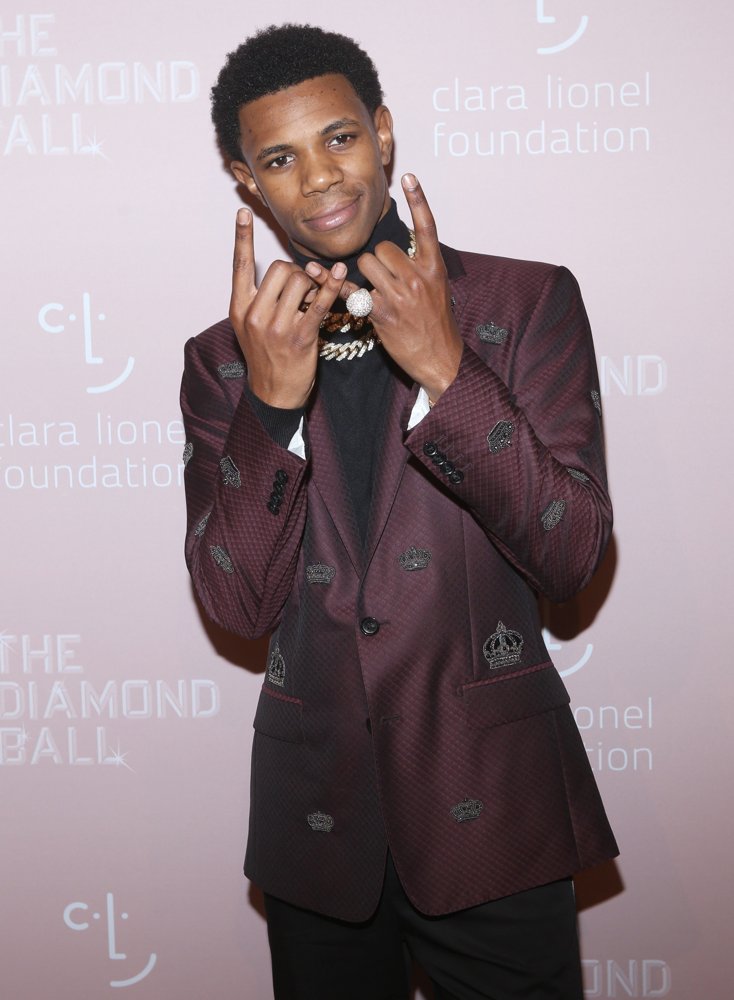
A Boogie Wit Da Hoodie
Rihanna's 4th Annual Diamond Ball
Sep 13, 2018
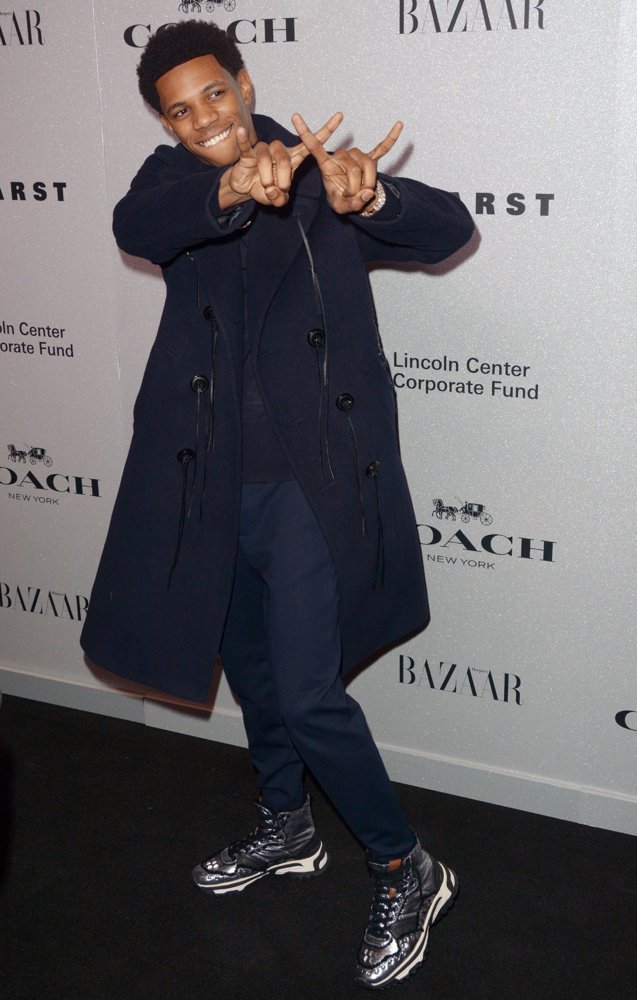
A Boogie Wit Da Hoodie
Lincoln Center Fashion Gala - An Evening Honoring Coach
Nov 29, 2018
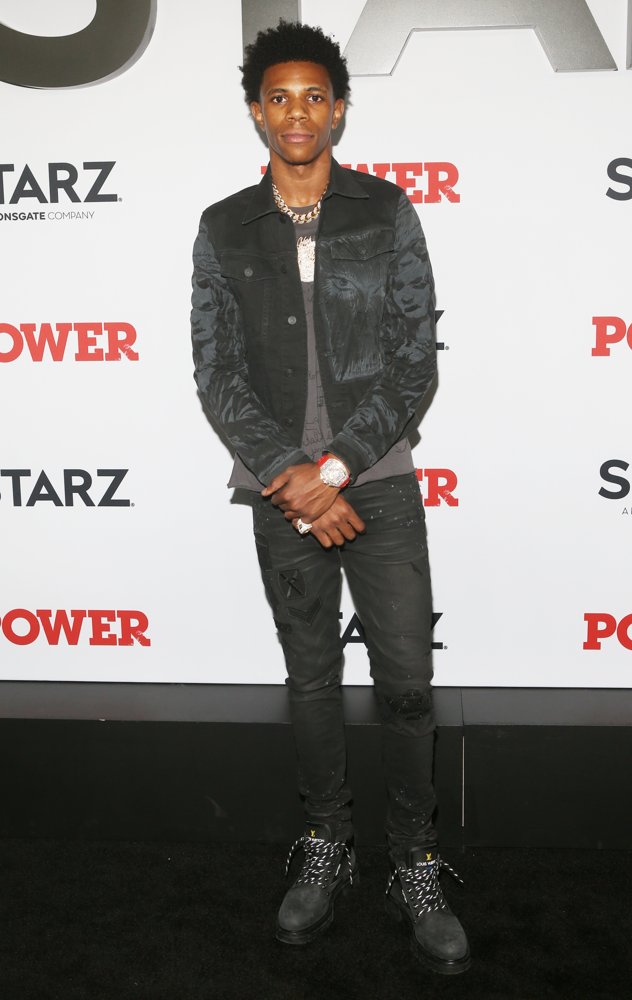
A Boogie Wit Da Hoodie
STARZ Red Carpet Event for Power Final Season World Premiere
Aug 20, 2019
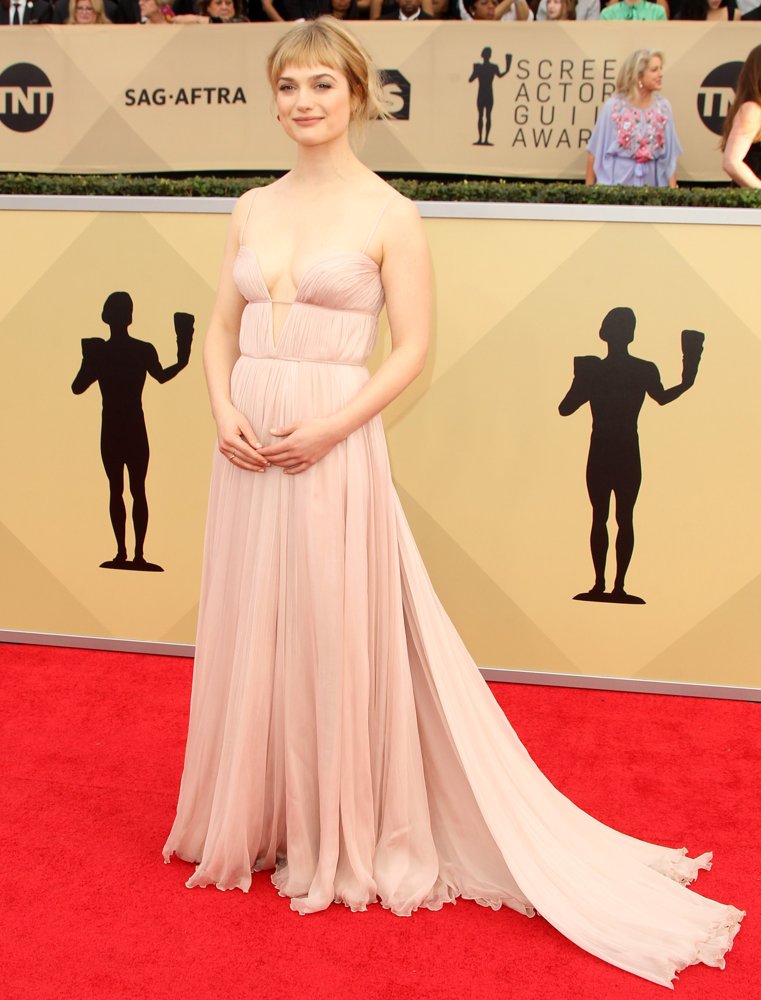
A Fine Frenzy
The 24th Annual Screen Actors Guild Awards - Arrivals
Jan 21, 2018
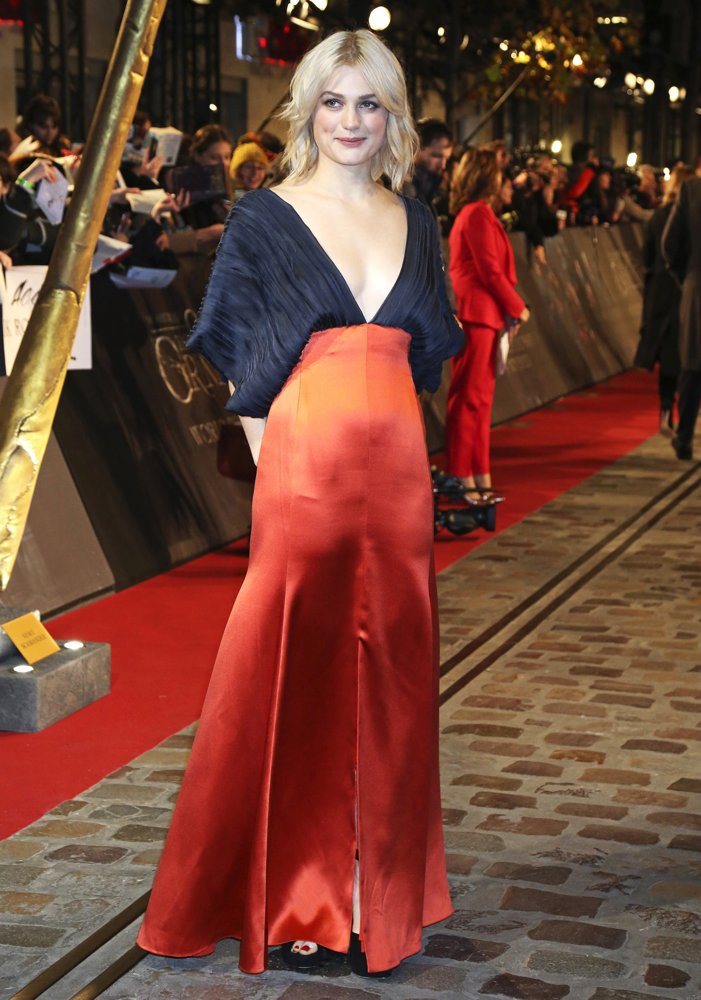
A Fine Frenzy
World Premiere of Fantastic Beasts: The Crimes of Grindelwald - Arrivals
Nov 8, 2018
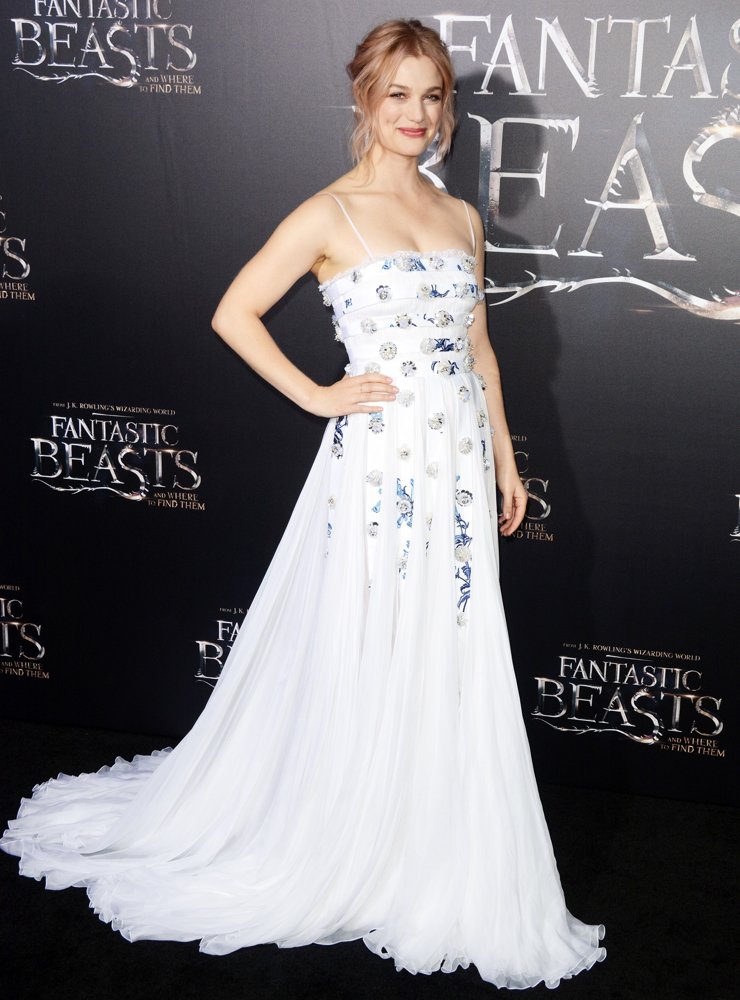
A Fine Frenzy
Fantastic Beasts and Where to Find Them World Premiere - Red Carpet Arrivals
Nov 10, 2016


⭐Featured Celebrities