Charley Frank Pride, born on March 18, 1934, in Sledge, Mississippi, was a trailblazing American country singer and professional baseball player whose remarkable career broke racial barriers and redefined the genre’s commercial potential. As the first Black superstar in country music, Pride’s rich baritone and magnetic stage presence propelled him to unprecedented heights, particularly between 1969 and 1975, when he became the top-selling artist on RCA Records, outselling contemporaries like Elvis Presley and John Denver. His legacy is defined by a string of 52 top-10 hits on the Billboard Hot Country Songs chart, including 30 number-one singles, with songs such as "All I Have to Offer You (Is Me)", "Is Anybody Goin' to San Antone", and the iconic "Kiss an Angel Good Mornin'" exemplifying the polished "countrypolitan" style that made him a crossover sensation.
Pride’s journey to stardom began far from the Nashville spotlight. In the early 1950s, he pursued a career as a professional baseball player in the Negro leagues, pitching for teams like the Memphis Red Sox and the Birmingham Black Barons. His athletic ambitions eventually led him to a tryout with the New York Mets, though a shoulder injury curtailed his baseball dreams. It was during this period that his passion for music, nurtured by his family’s love of country radio, took center stage. After a fortuitous meeting with Chet Atkins in Nashville, Pride signed with RCA Victor in 1966, and his debut single, "Just Between You and Me", quickly climbed the charts, signaling the arrival of a singular talent.
Throughout the late 1960s and 1970s, Pride enjoyed a golden era of chart dominance, becoming a fixture at the Grand Ole Opry, where he was eventually inducted as a member. His 1971 album "Did You Think to Pray" marked his first foray into gospel music, while his performance of "The River Song" for the 1973 musical film Tom Sawyer showcased his versatility beyond the country charts. His crossover appeal was cemented by his 1971 Entertainer of the Year win at the Country Music Association Awards, a historic achievement that challenged the genre’s racial boundaries, and he followed it with a Grammy for Best Country Vocal Performance, Male, in 1972. In 2000, he was inducted into the Country Music Hall of Fame, a fitting tribute to a career that had transformed the industry.
Beyond his musical achievements, Pride’s impact resonated as a cultural pioneer, using his platform to quietly dismantle stereotypes while never compromising his authenticity. He continued recording and performing well into the 21st century, releasing albums like "Music in My Heart" in 2009 and "Choices" in 2011, and he remained a beloved figure at award shows and festivals. Pride passed away on December 12, 2020, in Dallas, Texas, from complications related to COVID-19, just days before he was set to receive the Lifetime Achievement Award at the 54th Annual CMA Awards. His death prompted an outpouring of tributes from artists across genres, including Dolly Parton and Garth Brooks, who hailed him as a hero and a gentleman. Charley Pride’s enduring legacy lies not only in his record-breaking sales and honors but in his role as a pathfinder who proved that great music knows no color, leaving an indelible mark on country music and American culture.
⭐
Similar Celebrities
📷
Recent Photos
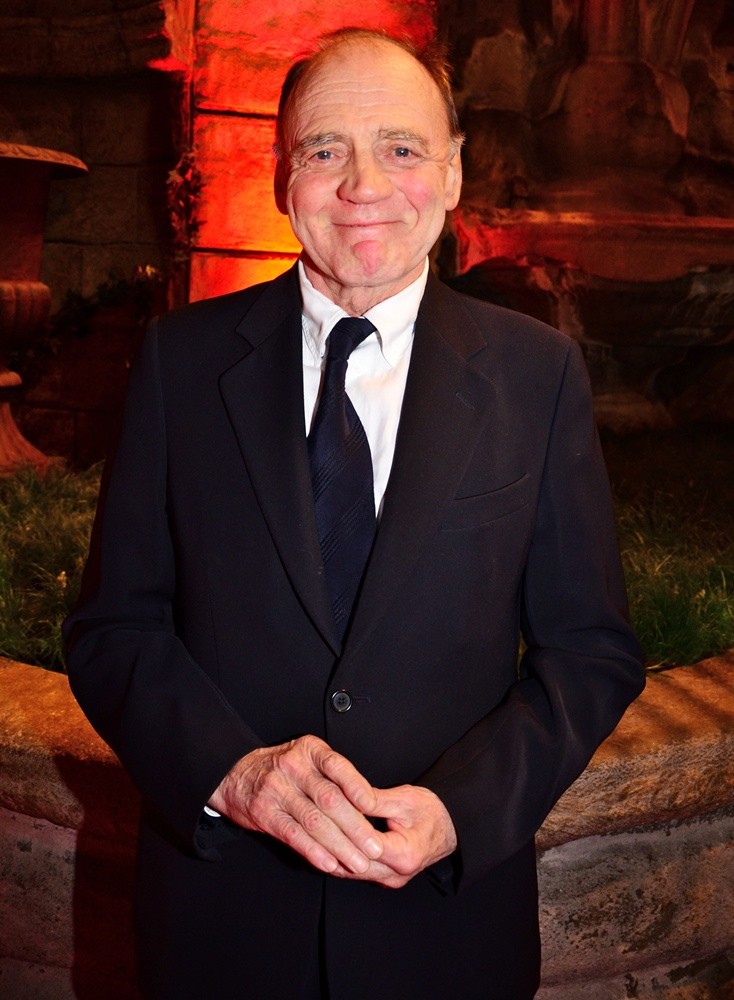
Bruno Ganz
The Aftershow-Party for The Opening of The 62nd Berlin International Film Festival
Feb 9, 2012

Erica Dasher
Mercedes-Benz Fashion Week Fall 2012 - BCBG Max Azria - Backstage
Feb 9, 2012
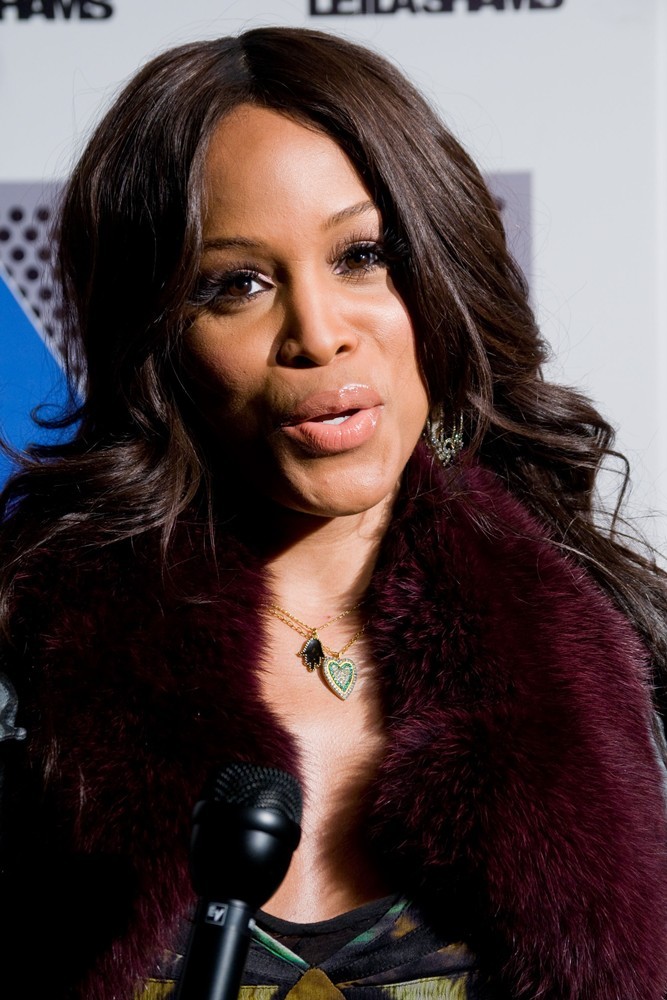
Eve
Oster Media Presents The Leila Shams Fashion Week Party - Arrivals
Feb 9, 2012
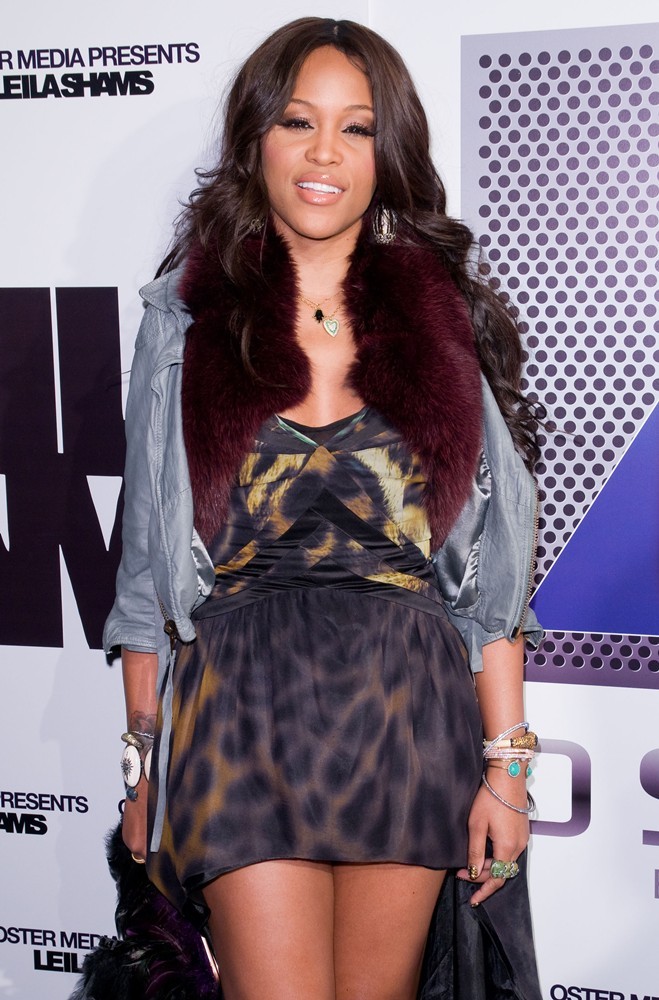
Eve
Oster Media Presents The Leila Shams Fashion Week Party - Arrivals
Feb 9, 2012
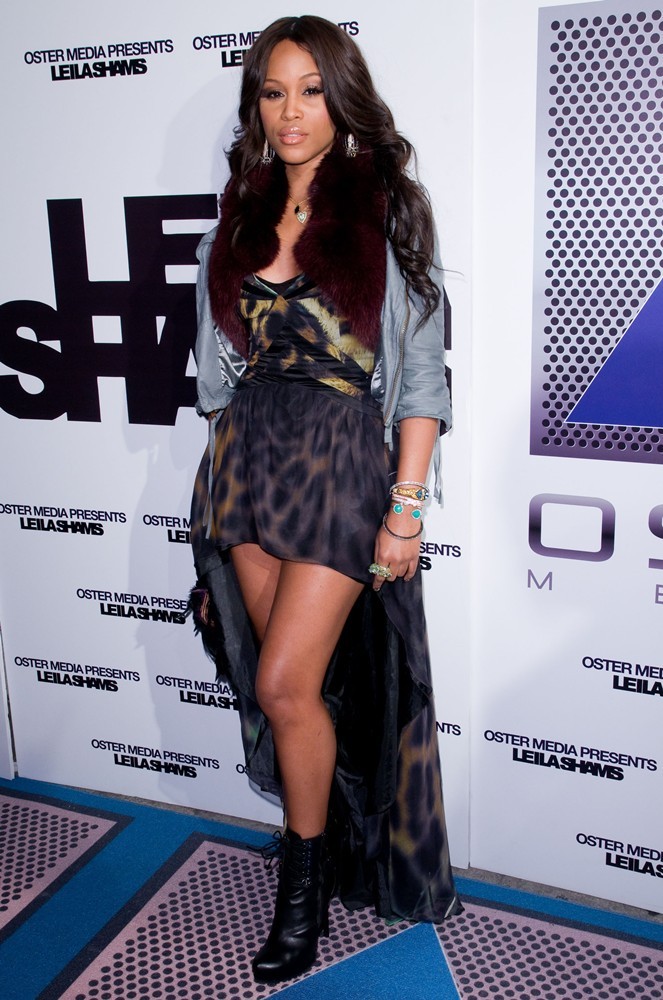
Eve
Oster Media Presents The Leila Shams Fashion Week Party - Arrivals
Feb 9, 2012
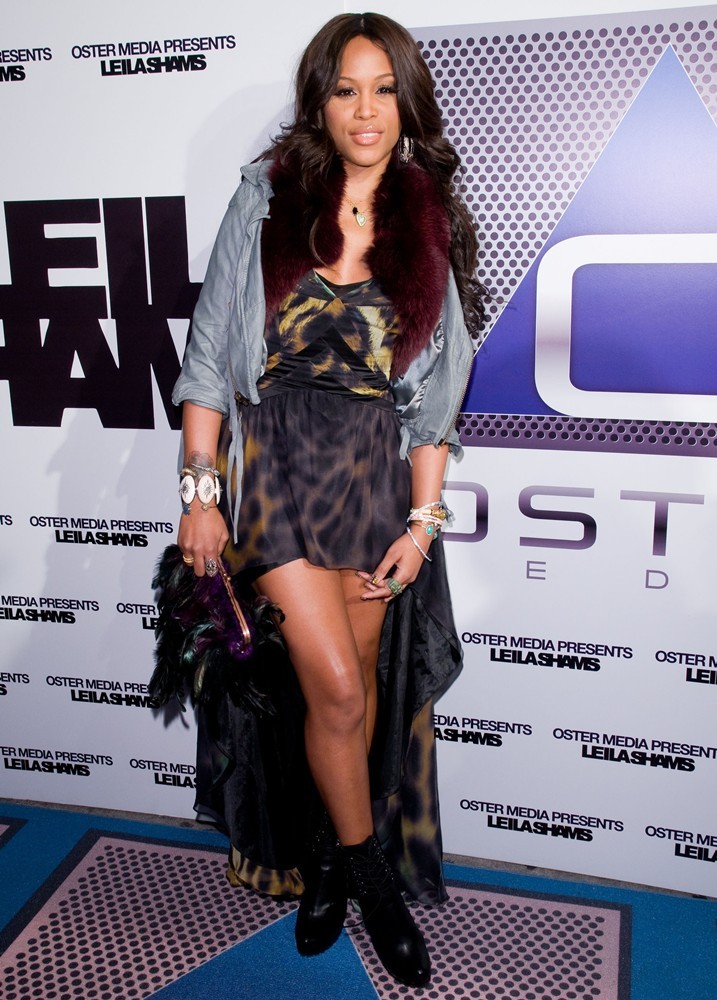
Eve
Oster Media Presents The Leila Shams Fashion Week Party - Arrivals
Feb 9, 2012




⭐Featured Celebrities