Born Charles Dennis Buchinsky on November 3, 1921, in Ehrenfeld, Pennsylvania, Charles Bronson rose from extreme poverty in a coal mining town to become one of the most iconic action stars in cinema history. His father, a miner, passed away when Bronson was young, and Bronson himself worked in the mines before enlisting in the United States Army Air Forces in 1943 to serve in World War II. Following his military service, he joined a theatrical troupe and studied acting, beginning a journey that would lead him to become a global box-office phenomenon.
During the 1950s, Bronson built his career with supporting roles in films and television, including appearances on anthology drama series where he often played the lead character. His first cinematic leading role came in Machine-Gun Kelly (1958), which set the stage for his rise. He gained significant attention with co-starring roles in major films such as The Magnificent Seven (1960), The Great Escape (1963), This Property Is Condemned (1966), and The Dirty Dozen (1967). He also earned an Emmy Award nomination for his supporting role on General Electric Theater, showcasing his versatility.
Bronson’s career took an international turn when French actor Alain Delon, a fan of his work, hired him to co-star in the French film Adieu l'ami (1968). That same year, he played a lead role in Sergio Leone’s spaghetti Western masterpiece Once Upon a Time in the West (1968). He continued to star in action, Western, and war films made in Europe, including Rider on the Rain (1970), which won a Golden Globe Award for Best Foreign Language Film. During this period, Bronson became the most popular American actor in Europe, a testament to his rugged appeal.
Returning to the United States, Bronson collaborated with director Michael Winner on a string of successful films, including Chato's Land (1972), The Mechanic (1972), and The Stone Killer (1973). He became the world’s top box-office star, commanding a salary of $1 million per film. In 1974, Bronson starred in the controversial vigilante film Death Wish, also directed by Winner, which was initially panned by critics but became a massive box-office hit and spawned four sequels. This role defined the characters he would play for the rest of his career.
Until his retirement in the late 1990s, Bronson almost exclusively played lead roles in action-oriented films such as Mr. Majestyk (1974), Hard Times (1975), St. Ives (1976), The White Buffalo (1977), Telefon (1977), and Assassination (1987). He frequently worked with director J. Lee Thompson and also took on non-action television films that allowed him to act against type. His last significant cinematic role was a supporting part in the dramatic film The Indian Runner (1991), a performance praised by reviewers. Charles Bronson passed away on August 30, 2003, leaving behind a legacy as a quintessential tough guy of Hollywood’s golden age of action cinema.
⭐
Similar Celebrities

📷
Recent Photos
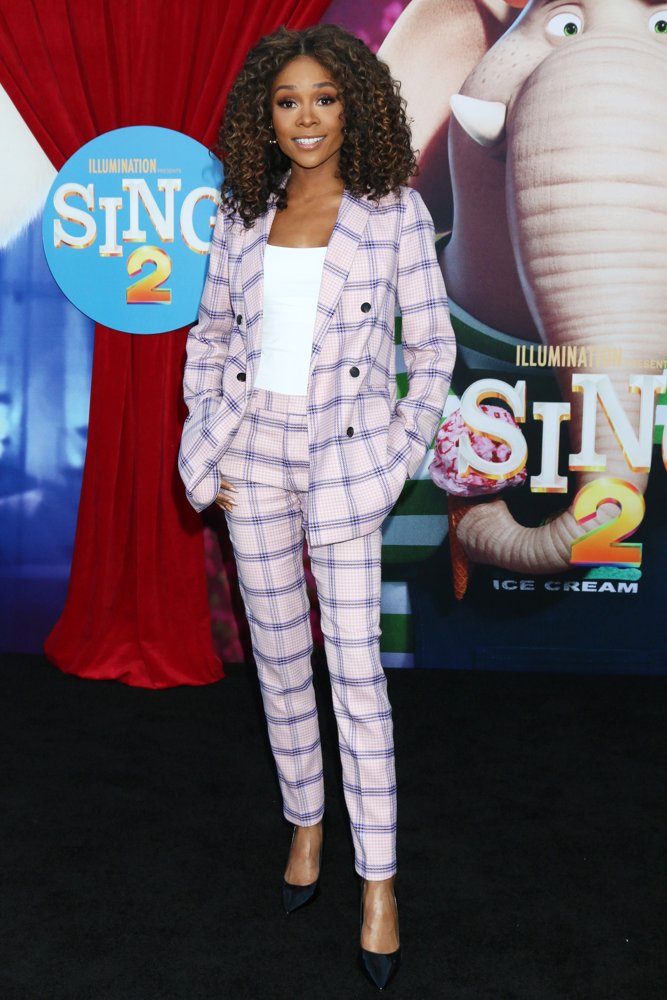
Zuri Hall
Sing 2 Premiere - Arrivals
Dec 12, 2021

Zuri Hall
Sing 2 Premiere - Arrivals
Dec 12, 2021

Zooey Deschanel
Baby2Baby 10-Year Gala 2021
Nov 13, 2021
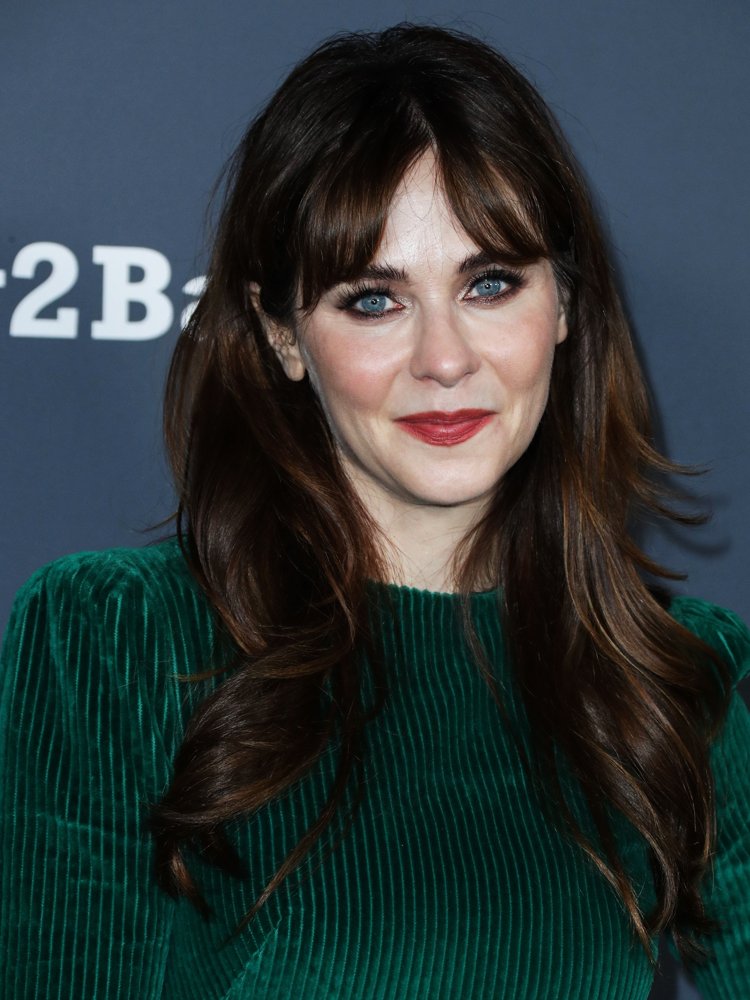
Zooey Deschanel
Baby2Baby 10-Year Gala 2021
Nov 13, 2021
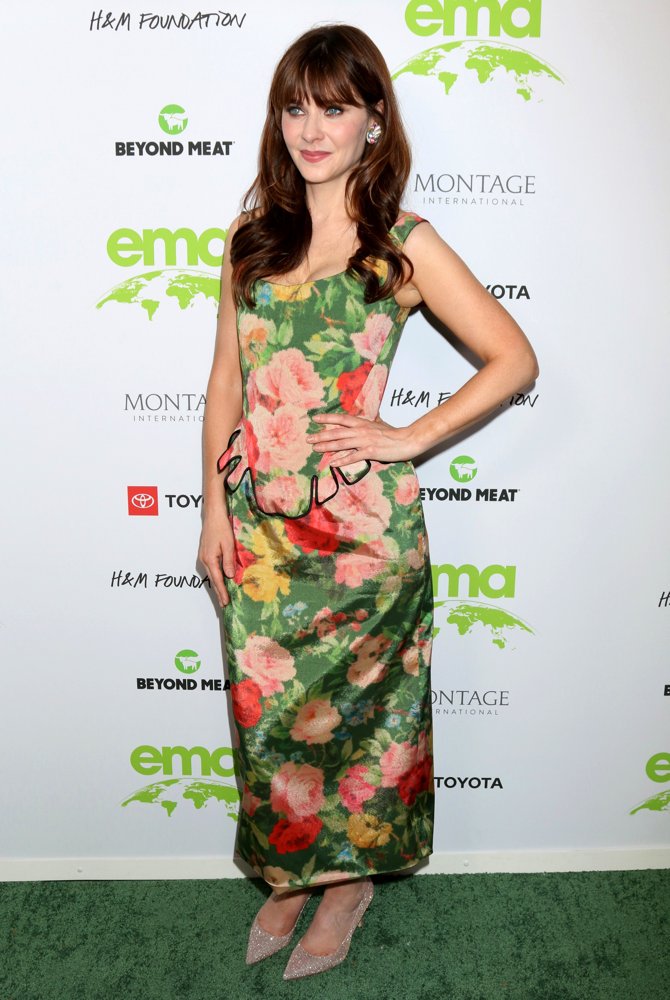
Zooey Deschanel
2021 Environmental Media Association Awards
Oct 16, 2021

Hans Zimmer
Variety 2021 Music Hitmakers Brunch
Dec 4, 2021




⭐Featured Celebrities