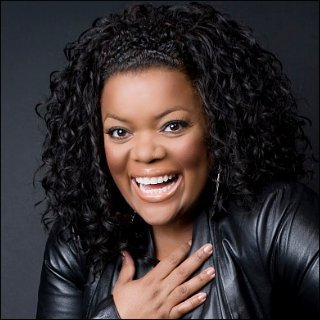
Catherine Deneuve, born Catherine Fabienne Dorléac on 22 October 1943 in Paris, stands as one of the most iconic and enduring figures in the history of European cinema. With a career spanning nearly seven decades, she has not only defined the elegant, enigmatic archetype of French femininity on screen but has also proven her remarkable versatility across a diverse range of genres and international productions. Widely regarded as one of the greatest European actresses of all time, her contribution to film was recognized by The New York Times in 2020, which ranked her among the greatest actors of the 21st century, a testament to her lasting relevance and artistic power.
Deneuve’s journey into the world of cinema began at a remarkably young age, making her screen debut in 1957 at just 13 years old in a film that had been shot the previous year. Emerging as a major figure of the French New Wave, she quickly ascended to international stardom, becoming, alongside contemporaries like Brigitte Bardot and Alain Delon, one of the most recognizable French artists globally. The defining moment of her early career came with her collaboration with director Jacques Demy on the musical masterpiece The Umbrellas of Cherbourg (1964), a role that cemented her status as a screen icon and the face of the musical film genre. She would continue this successful partnership with Demy in The Young Girls of Rochefort and Donkey Skin, solidifying her association with the genre. Her early filmography is also distinguished by her portrayals of aloof, mysterious beauties under the direction of cinema's most celebrated auteurs, including Luis Buñuel in Belle de Jour, François Truffaut, Roman Polanski in Repulsion, and Agnès Varda.
Throughout her prolific career, Deneuve has demonstrated a remarkable ability to transcend linguistic and cultural boundaries, working with esteemed directors across the globe. Her international work took her to the United States for films like The Hunger under Tony Scott, which earned her a devoted following among English-speaking audiences, and she also collaborated with Robert Aldrich in Hollywood. Her filmography is a testament to her global reach, encompassing collaborations in the United Kingdom with Terence Young, in Italy with Marco Ferreri and Mario Monicelli, in Spain with Buñuel, in Portugal with Manoel de Oliveira, and in Denmark with Lars von Trier. In France, her box-office appeal is unmatched, with her films attracting nearly 99 million spectators, making her the working actress with the most admissions in the country’s history. Beyond her cinematic achievements, she has also been a cultural symbol, succeeding Mireille Mathieu in 1985 as the official face of Marianne, the national symbol of liberty for France.
Deneuve’s extraordinary talent has been recognized with a multitude of prestigious awards. She received the César Award for Best Actress for her performance in The Last Metro and the Volpi Cup for Best Actress at the Venice Film Festival for Place Vendôme. Her critically acclaimed role in Indochine earned her a nomination for the Academy Award for Best Actress, and her work in Belle de Jour garnered a BAFTA nomination. Her legacy has been further cemented by honorary accolades, including the Honorary Golden Bear from the Berlin International Film Festival in 1998, the Honorary Palme d'Or from the Cannes Film Festival in 2005, and the Golden Lion for Lifetime Achievement at the Venice Film Festival in 2022. With more than a hundred roles to her name, Catherine Deneuve remains an unparalleled force in world cinema, a timeless symbol of elegance, and a benchmark of artistic excellence whose influence continues to resonate with audiences and filmmakers alike.
⭐
Similar Celebrities
📷
Recent Photos

Abbie Quinnen
UK Screening of The Hitman's Wife's Bodyguard
Jun 14, 2021
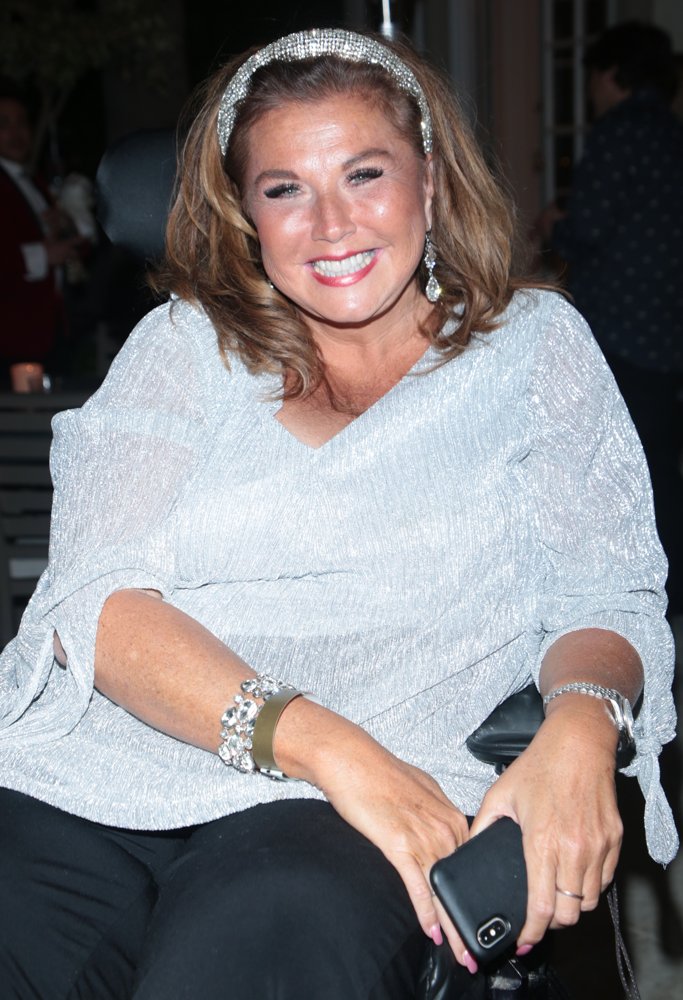
Abby Lee Miller
Abby Lee Miller Seen for Oscar's Night
Apr 25, 2021

Abigail Breslin
2021 Environmental Media Association Awards
Oct 16, 2021
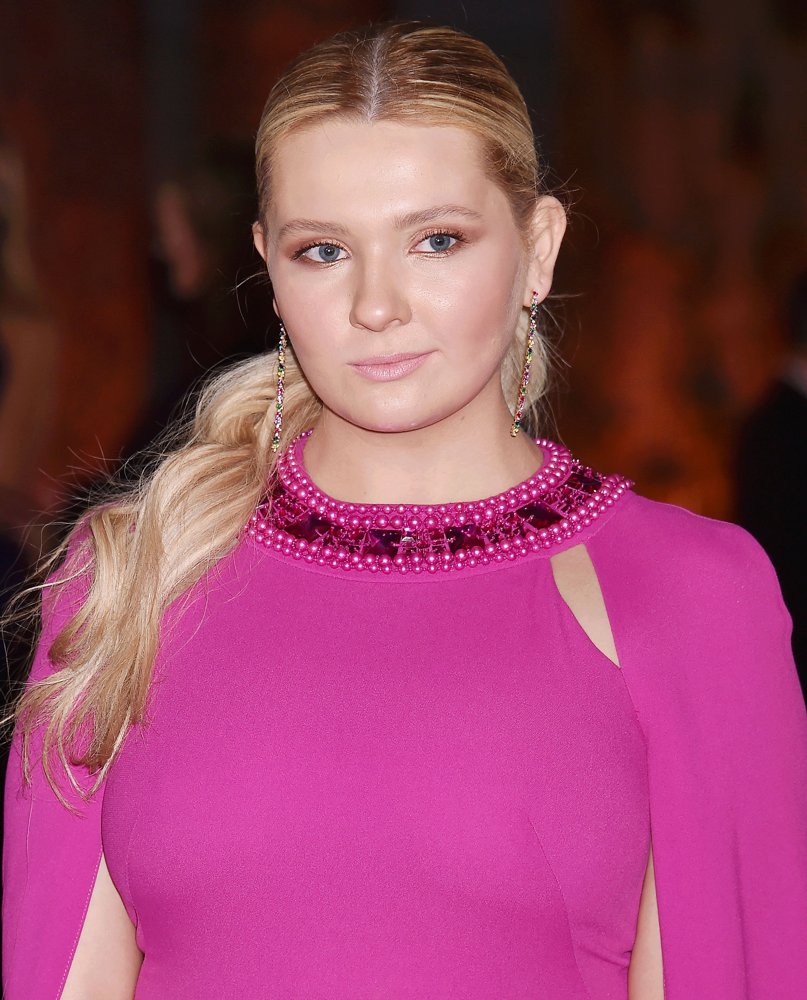
Abigail Breslin
The Academy Museum of Motion Pictures Opening Gala - Arrivals
Sep 25, 2021
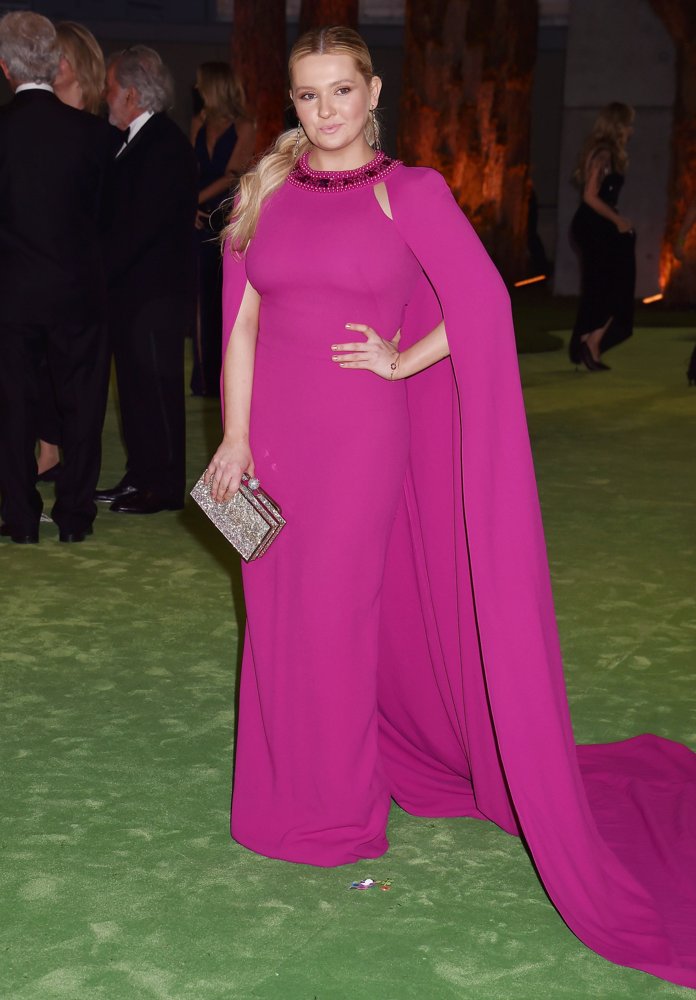
Abigail Breslin
The Academy Museum of Motion Pictures Opening Gala - Arrivals
Sep 25, 2021

Adam Driver
House of Gucci Shooting in Milan
Mar 11, 2021




⭐Featured Celebrities