Brian Peter George Eno, born on 15 May 1948 in Suffolk, England, stands as one of popular music’s most influential and innovative figures. A self-described “non-musician,” Eno began his artistic journey studying painting and experimental music at the art school of Ipswich Civic College in the mid-1960s, before continuing at Winchester School of Art. His formal training in the visual arts deeply informed his approach to sound, leading him to treat music as a malleable, textural medium rather than a purely melodic one. He first gained widespread attention in 1971 as the synthesiser player for the glam rock group Roxy Music, contributing his unconventional electronic textures to their first two albums before departing in 1973 to pursue a solo career.
Eno’s solo work quickly established him as a visionary. His debut album, the rock-oriented Here Come the Warm Jets (1974), showcased his playful yet avant-garde sensibilities, but it was his subsequent exploration of minimalism that would prove most enduring. With Discreet Music (1975) and the landmark Ambient 1: Music for Airports (1978), Eno effectively coined and defined the genre of ambient music, creating works designed to be as ignorable as they were interesting. This period also saw him engage in prolific collaborations, working with artists such as Robert Wyatt, Robert Fripp as part of the Fripp & Eno collective, and members of the German bands Harmonia and Cluster. His partnership with David Bowie during the late 1970s proved particularly fruitful, with Eno contributing his experimental production and sonic ideas to Bowie’s celebrated Berlin Trilogy albums, including Low and Heroes.
Beyond his solo and collaborative recordings, Eno established himself as one of the most sought-after and distinctive record producers of his era. His production credits include seminal albums by David Byrne and Talking Heads, as well as work with Ultravox, Devo, and the no wave compilation No New York (1978). He developed a reputation for coaxing unexpected performances from artists by using his famous Oblique Strategies cards, a deck of aphorisms designed to spur creative thinking that he co-created in the 1970s. Throughout the 1980s and beyond, Eno’s production work continued to shape the sound of mainstream rock and pop, most notably through his long-running collaborations with U2, which produced iconic albums like The Joshua Tree, and his work with Peter Gabriel, Daniel Lanois, and later Coldplay. His influence extended to a diverse range of artists, including Laurie Anderson, Grace Jones, Slowdive, Karl Hyde of Underworld, James, Kevin Shields, and Damon Albarn, cementing his status as a creative catalyst across multiple genres.
In addition to his musical output, Eno has maintained a prolific career in visual art and sound installation since his student days. His large-scale installations have graced iconic public landmarks, including the sails of the Sydney Opera House in 2009 and the Lovell Telescope at Jodrell Bank in 2016. He has also written extensively on a variety of subjects and is a founding member of the Long Now Foundation, which advocates for long-term thinking. As a political activist, Eno has been a vocal advocate for humanitarian causes, frequently writing and speaking on issues such as climate change, opposing Brexit and the Conservative Party, and advocating for the freedom of Julian Assange. His political engagement has extended to his professional life; in September 2025, he signed an open pledge with Film Workers for Palestine, vowing not to work with Israeli film institutions implicated in what the pledge describes as genocide and apartheid against the Palestinian people. In recognition of his enduring impact, Eno was inducted into the Rock and Roll Hall of Fame in 2019 as a member of Roxy Music, a fitting tribute to a career that has continually redefined the boundaries of contemporary music.
⭐
Similar Celebrities

📷
Recent Photos
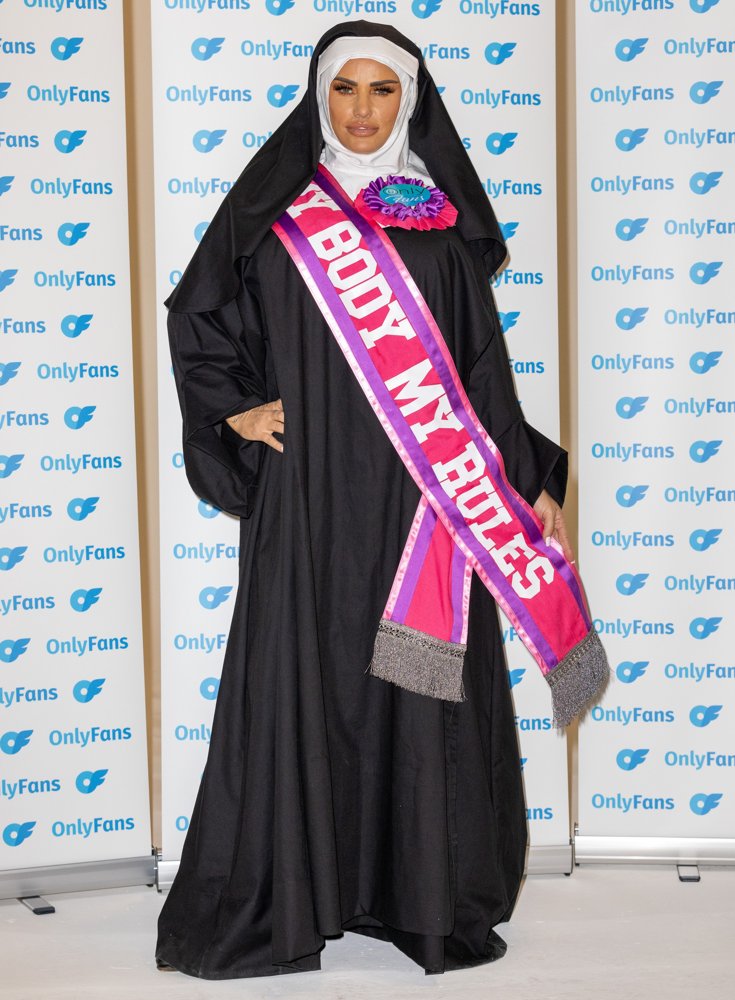
Katie Price
Katie Price Launches Only Fans Channel - Photocall
Jan 26, 2022
Katie Price
Katie Price Launches Only Fans Channel - Photocall
Jan 26, 2022
Jessie J
The Premiere of Cirque Du Soleil Luzia
Jan 13, 2022
Imogen Thomas
The Premiere of Cirque Du Soleil Luzia
Jan 13, 2022
Hayley Palmer
The Premiere of Cirque Du Soleil Luzia
Jan 13, 2022
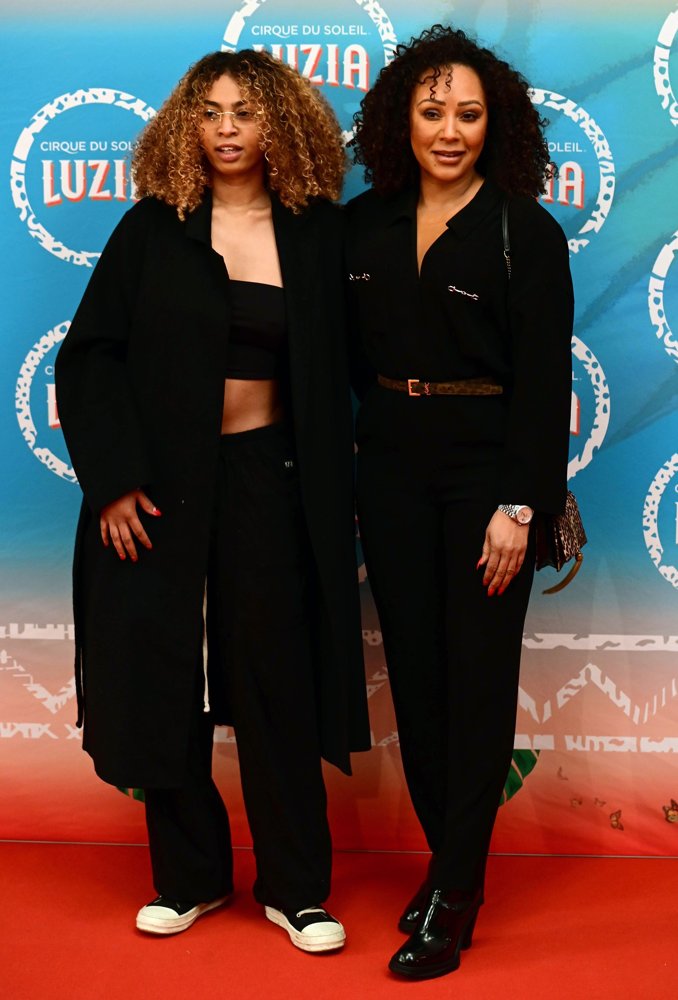
Phoenix Chi Gulzar
The Premiere of Cirque Du Soleil Luzia
Jan 13, 2022



⭐Featured Celebrities