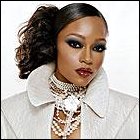
Beverly Johnson stands as one of the most transformative and iconic figures in the history of American fashion, a trailblazer whose singular achievement in 1974 shattered a long-standing racial barrier and permanently altered the landscape of the modeling industry. Born Beverly Ann Johnson on October 13, 1952, in Buffalo, New York, she rose from modest beginnings to become a global superstar, using her striking beauty and formidable intelligence to build a multifaceted career that has spanned over five decades as a model, actress, singer, and businesswoman. Her legacy is defined by a moment of historic first: in August 1974, she became the first Black model to appear on the cover of American Vogue, a milestone that followed Donyale Luna's pioneering cover for British Vogue in 1966 but which nonetheless opened a floodgate of opportunities for models of color in the American mainstream. The significance of her achievement was so profound that in 2008, The New York Times named her one of the twentieth century's most influential people in fashion, cementing her status not merely as a pretty face but as a cultural force who changed the industry from within.
Johnson's path to the top of the modeling world began in the late 1960s when she moved to New York City to pursue a law degree, but her striking features and statuesque figure quickly caught the attention of the fashion world. After being discovered and signed by the prestigious Wilhelmina modeling agency, she began booking high-profile editorial work, and her historic Vogue cover in 1974, shot by photographer Francesco Scavullo, immediately made her a household name. In the years that followed, she graced the covers of virtually every major fashion magazine, including Elle and Essence, and became one of the highest-paid and most in-demand models of her generation, working with legendary designers such as Halston and appearing in campaigns that defined the era's aesthetic. Her success on the runway and in print opened doors beyond modeling, leading her to pursue a career in entertainment. She appeared in a number of films, including The Substance of Fire and As the World Turns, and showcased her vocal talents with the release of her debut album, "Don't Lose the Feeling," in 1979, which included the disco hit "Don't Lose the Feeling." She also made numerous television appearances, including a memorable stint on the popular drama The Streets of San Francisco, and later in her career, she became a regular presence on reality television.
In 2012, Johnson returned to the public eye in a major way when she starred in the reality series Beverly's Full House, which aired on the Oprah Winfrey Network (OWN). The show, which was produced by Oprah Winfrey's network, provided an intimate look at her life as she navigated her career and family dynamics, including her relationship with her daughter, Anansa Sims, who had followed in her mother's footsteps as a plus-size model. The series brought Johnson to a new generation of fans and demonstrated her enduring relevance in popular culture. Beyond her on-screen work, Johnson has been a tireless advocate for diversity and inclusion in the fashion industry, using her platform to speak out against racial discrimination and to mentor young models of color. She has also authored a memoir, "The Face That Changed It All," which chronicled her life and career, offering a candid look at the challenges she faced as a Black woman in a predominantly white industry. Today, Beverly Johnson remains an active and respected figure, continuing to make appearances at fashion events, speaking engagements, and charitable functions. Her legacy is not just that of a beautiful face but of a determined pioneer who used her success to challenge conventions, break down barriers, and inspire countless others to follow in her footsteps.
⭐
Similar Celebrities




⭐Featured Celebrities