Dame Anna Wintour stands as one of the most influential and polarizing figures in modern media, a British-born executive whose reign as editor-in-chief of Vogue from 1988 to 2025 fundamentally reshaped the global fashion landscape. Known instantly for her signature pageboy bob and dark sunglasses, Wintour’s power extends far beyond the pages of the magazine, positioning her as a central architect of style, culture, and commerce for nearly four decades. Her role as the lead chairperson of the annual Met Gala in Manhattan since the 1990s has turned that event into the industry’s most anticipated and exclusive spectacle, cementing her status as the most powerful woman in publishing.
Born on 3 November 1949 in London, Wintour’s path into journalism was paved by her father, Charles Wintour, the influential editor of the Evening Standard from 1959 to 1976, who consulted his teenage daughter on how to make the newspaper more relevant to the youth of the era. Her fascination with fashion began early, and she launched her career at two British magazines before crossing the Atlantic for stints at New York and House & Garden. A return to London saw her take the helm of British Vogue from 1985 to 1987, but it was her appointment to the American edition a year later that would define her legacy. Upon taking control in New York, Wintour famously revived what many perceived as a stagnating publication, injecting it with a bold, trend-forward vision that used the magazine not just to reflect the industry but to actively shape it.
Wintour’s editorship was marked by both immense praise and significant controversy. She was lauded for her uncanny ability to identify emerging fashion trends before they hit the mainstream, yet her reportedly aloof and demanding personality became the stuff of industry legend. Her unapologetic promotion of fur drew the ire of animal rights activists, while critics accused her of using Vogue to champion elitist and unattainable ideals of femininity and beauty. This reputation was immortalized in popular culture when her former personal assistant, Lauren Weisberger, published the 2003 bestselling roman à clef The Devil Wears Prada, which was adapted into the 2006 film The Devil Wears Prada starring Meryl Streep as the formidable Miranda Priestly, a character widely believed to be based on Wintour. She later embraced the spotlight herself, starring in R. J. Cutler’s 2009 documentary The September Issue, which offered a rare glimpse into the making of Vogue’s most important annual edition.
After stepping down as editor-in-chief in 2025, Wintour transitioned to a new role as global chief content officer and artistic director at Condé Nast, ensuring her influence continues to be felt across the media empire. Throughout her career, she has been a kingmaker for designers, photographers, and models, wielding her position to launch or elevate countless careers while maintaining an iron grip on the industry’s standards. Her legacy is a complex one, defined by an unwavering commitment to fashion’s commercial and artistic power, a sharp editorial eye, and a persona that has become as iconic and scrutinized as the trends she champions.
⭐
Similar Celebrities

📷
Recent Photos
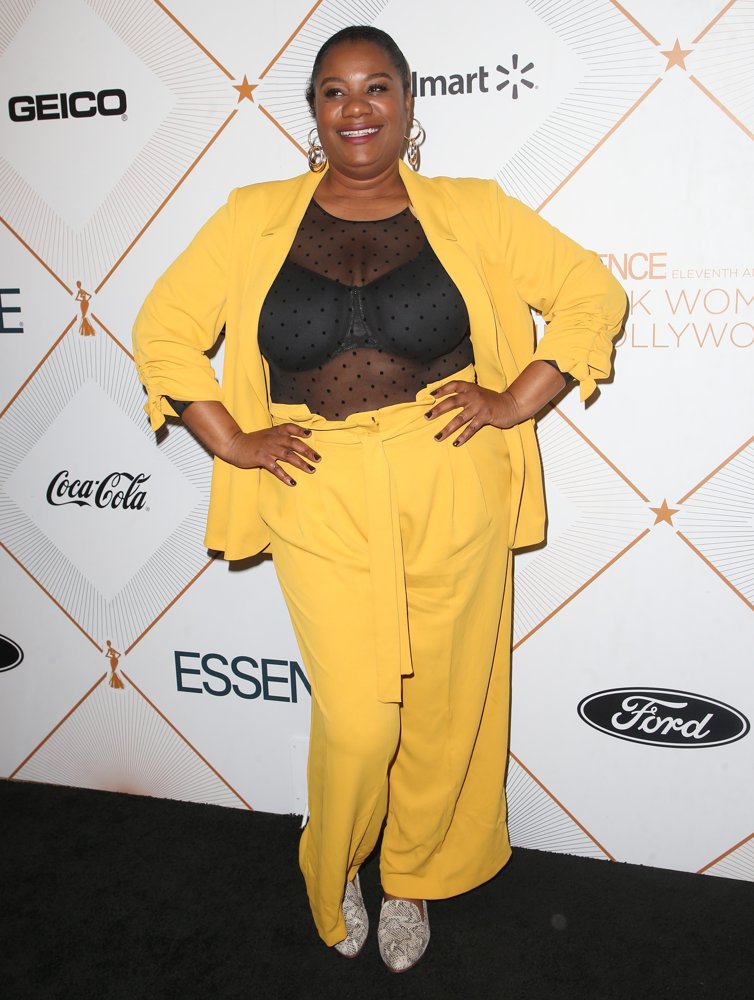
Adrienne C. Moore
2018 Essence Black Women in Hollywood Oscars Luncheon
Mar 1, 2018
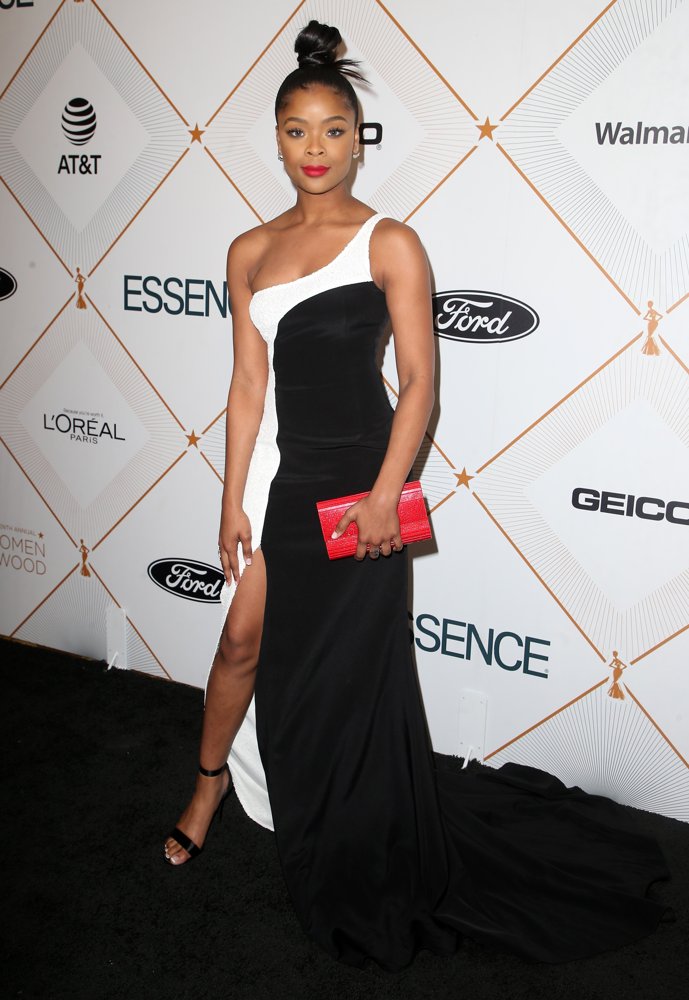
Ajiona Alexus
2018 Essence Black Women in Hollywood Oscars Luncheon
Mar 1, 2018
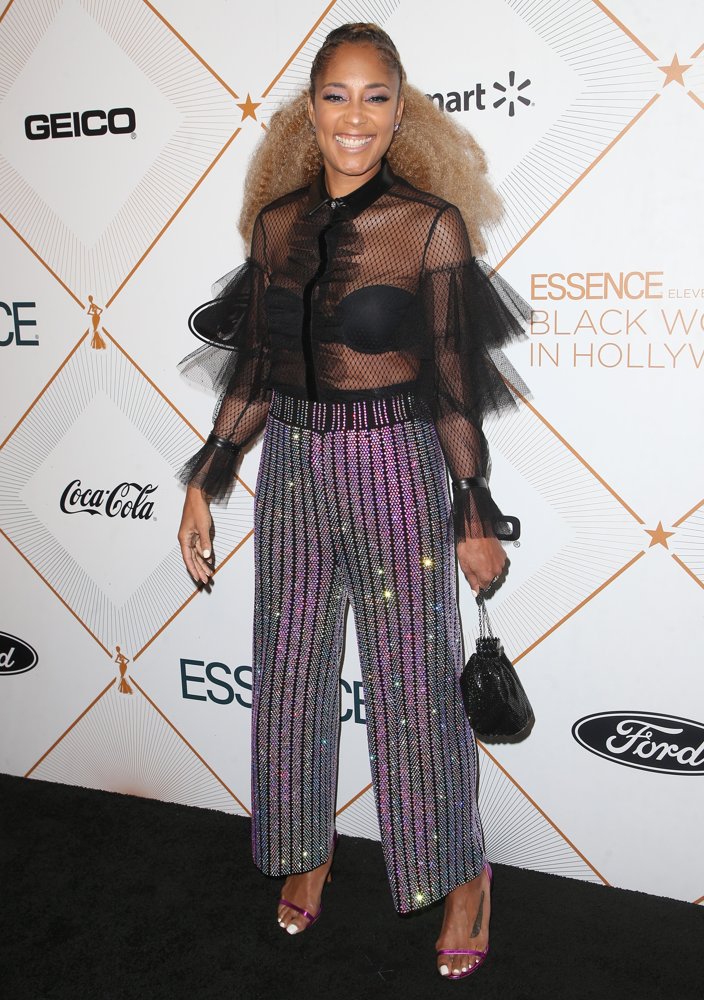
Amanda Seales
2018 Essence Black Women in Hollywood Oscars Luncheon
Mar 1, 2018
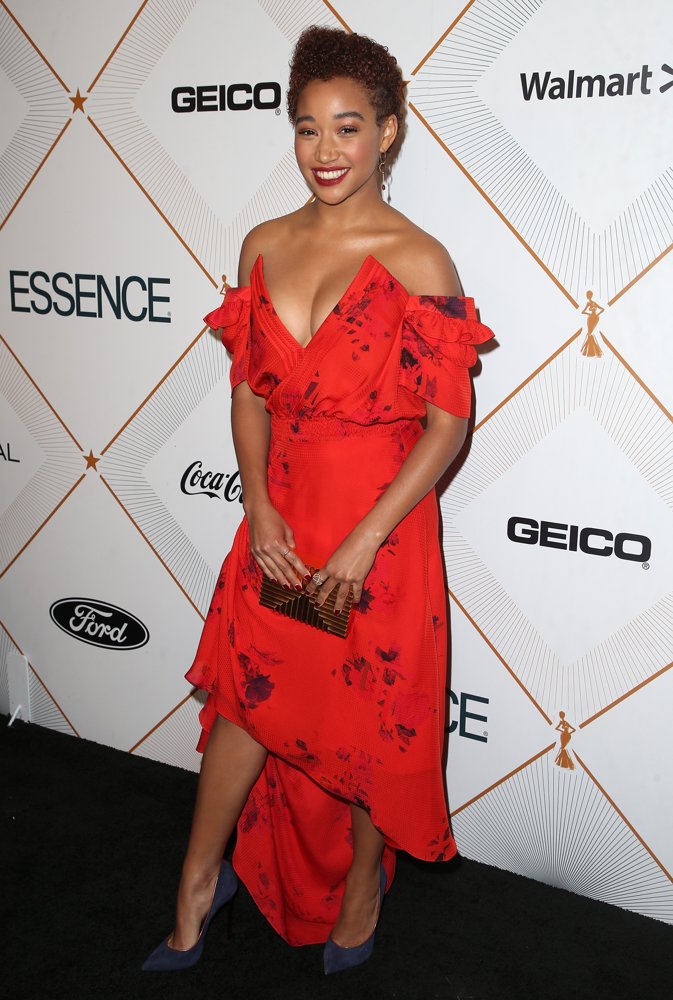
Amandla Stenberg
2018 Essence Black Women in Hollywood Oscars Luncheon
Mar 1, 2018
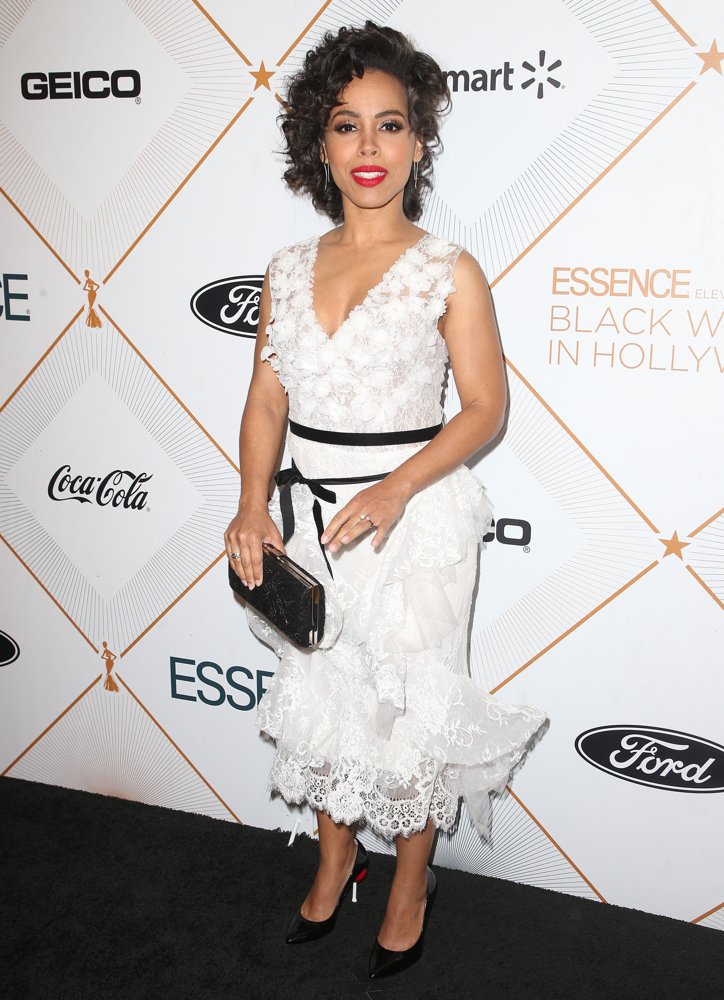
Amirah Vann
2018 Essence Black Women in Hollywood Oscars Luncheon
Mar 1, 2018
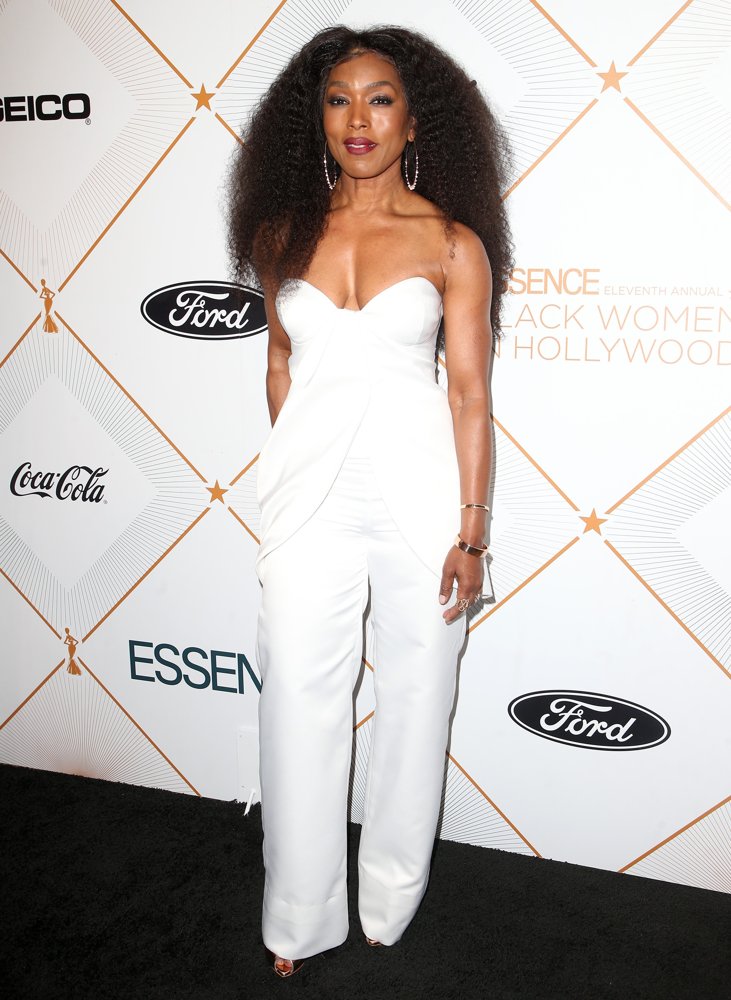
Angela Bassett
2018 Essence Black Women in Hollywood Oscars Luncheon
Mar 1, 2018



⭐Featured Celebrities