Joseph Edgar Foreman, known to the world as Afroman, is an American rapper, singer, and musician who carved a unique niche in popular culture with his laid-back, comedic storytelling and unmistakable vocal delivery. Born on July 28, 1974, he achieved international fame with his 2001 album The Good Times, which featured the breakout singles "Because I Got High" and "Crazy Rap." The former track, a humorous cautionary tale about marijuana's effects on ambition, became a global phenomenon, propelling Afroman to the forefront of early 2000s pop-rap and earning him a Grammy Award nomination in 2002 for Best Rap Solo Performance. The song’s ubiquitous presence on radio and television made it an anthem of the era, while its success underscored Afroman’s ability to blend irreverent humor with catchy, accessible beats.
Afroman’s musical journey began long before his mainstream breakthrough, as he spent years honing his craft in the underground scene, releasing several independent albums that showcased his eclectic blend of funk, soul, and hip-hop. His early work laid the foundation for his signature style, characterized by witty, observational lyrics and a relaxed, almost conversational flow. Following the massive success of The Good Times, he continued to release music steadily, building a loyal fanbase that appreciated his unpretentious approach and his refusal to conform to industry norms. Over the decades, he has maintained a prolific output, with a discography that spans numerous studio albums, demonstrating his enduring creativity and his ability to remain relevant in an ever-evolving musical landscape.
In a dramatic turn of events, Afroman became the center of a significant legal and cultural controversy in 2022 when sheriff's officers raided his Ohio home. The raid yielded no charges or criminal evidence, but it profoundly impacted the artist, inspiring him to channel his frustration into a series of protest songs. These tracks, which incorporated unflattering security camera footage of the raid, were collected into his 18th studio album, Lemon Pound Cake. The album served as both a personal catharsis and a pointed social commentary, drawing attention to issues of police conduct and civil liberties. Subsequently, several of the officers involved in the raid filed lawsuits against Afroman, alleging that the use of their images in his music videos was defamatory and invasive. In a landmark victory for artistic expression, Afroman prevailed in court, with the legal system affirming that his work was protected under freedom of speech laws. The American Civil Liberties Union (ACLU) even filed an amicus brief in his support, characterizing the lawsuit as a strategic lawsuit against public participation (SLAPP), designed to silence criticism rather than address genuine grievances. This legal triumph solidified Afroman’s status not only as an entertainer but also as a resilient advocate for First Amendment rights, demonstrating that his artistic voice remains as potent and defiant as ever.
⭐
Similar Celebrities




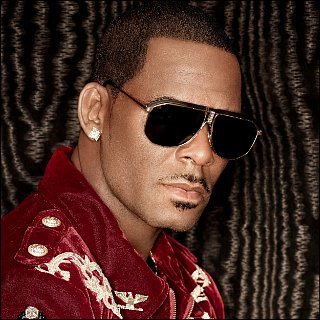
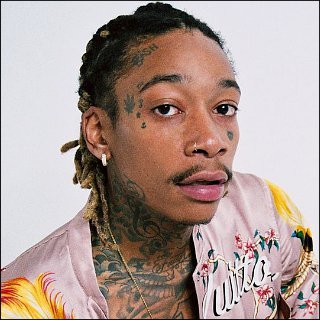
📷
Recent Photos
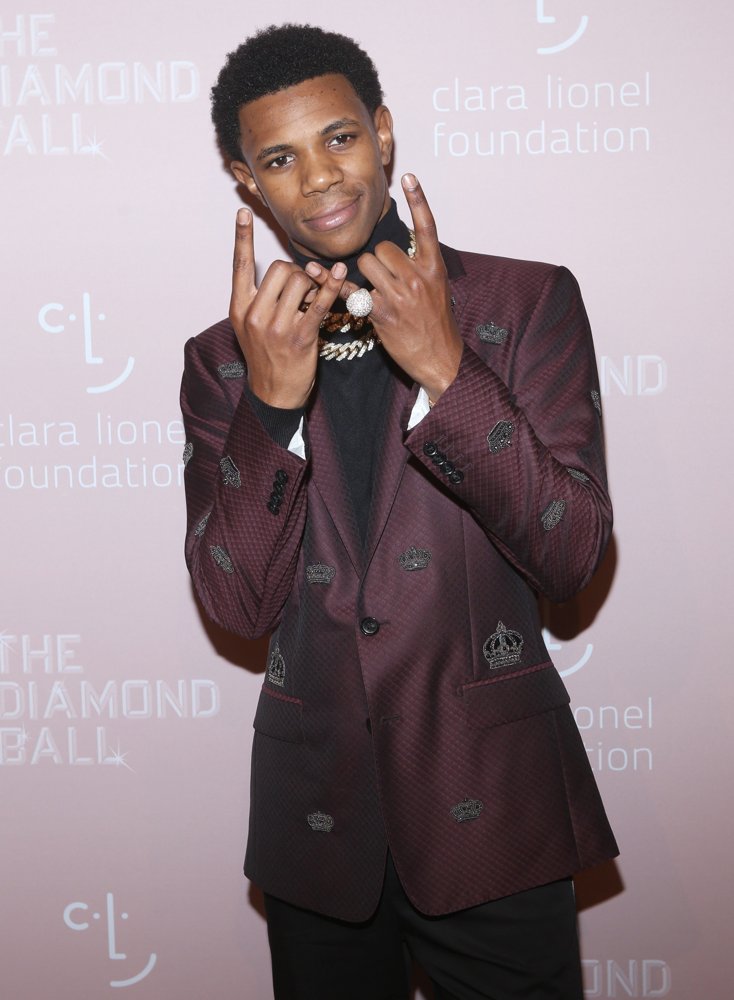
A Boogie Wit Da Hoodie
Rihanna's 4th Annual Diamond Ball
Sep 13, 2018
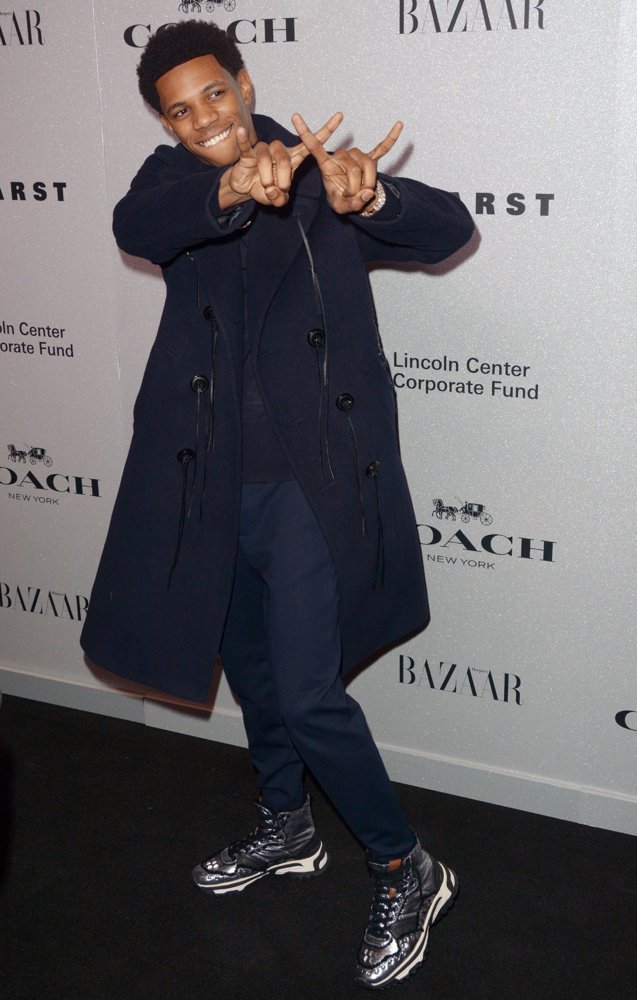
A Boogie Wit Da Hoodie
Lincoln Center Fashion Gala - An Evening Honoring Coach
Nov 29, 2018
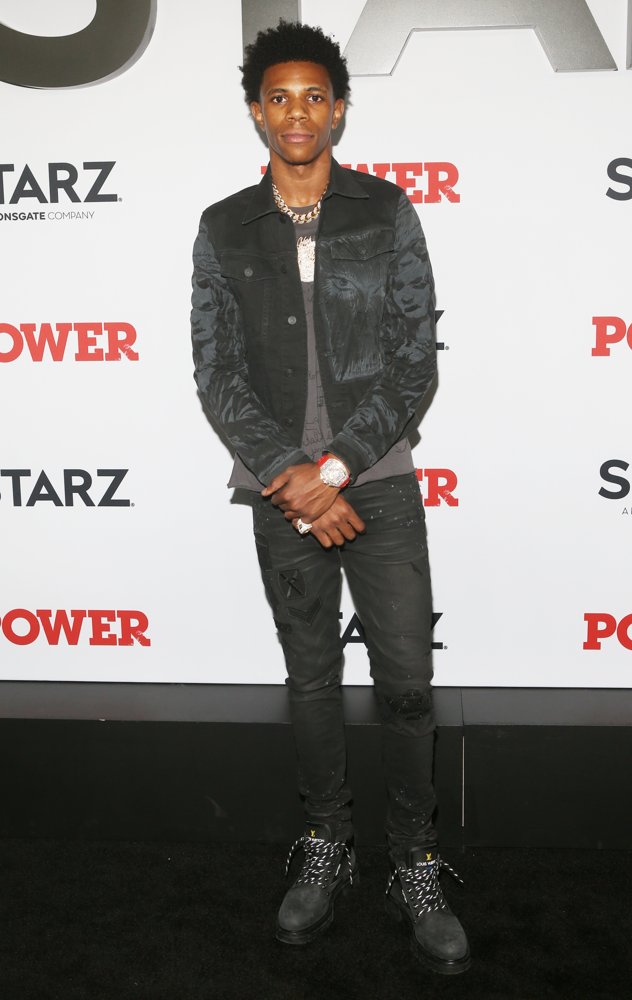
A Boogie Wit Da Hoodie
STARZ Red Carpet Event for Power Final Season World Premiere
Aug 20, 2019

A Fine Frenzy
2016 CinemaCon Warner Bros Pictures - Day 2 - Red Carpet Arrivals
Apr 12, 2016

A Fine Frenzy
2016 CinemaCon Warner Bros Pictures - Day 2 - Red Carpet Arrivals
Apr 12, 2016

A Fine Frenzy
The 24th Annual Screen Actors Guild Awards - Arrivals
Jan 21, 2018





⭐Featured Celebrities