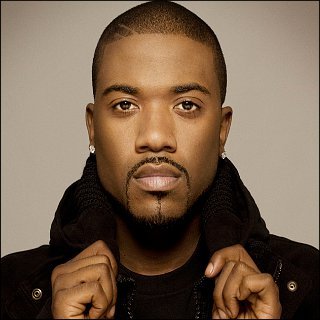
Aaron Josef Hernandez was a professional football tight end whose athletic brilliance was ultimately overshadowed by a life of violence and tragedy. Born on November 6, 1989, in Bristol, Connecticut, Hernandez demonstrated exceptional athletic ability from a young age. He played college football for the Florida Gators, where he became a key part of the team's offense, helping secure the 2009 BCS National Championship Game. His standout junior season earned him the John Mackey and Ozzie Newsome awards, presented to the nation's top tight ends, as well as first-team All-American honors. Despite his on-field success, concerns about his size and a series of off-field incidents caused him to slide in the 2010 NFL draft, where he was ultimately selected in the fourth round by the New England Patriots.
In the NFL, Hernandez quickly proved his worth, forming a formidable tight end duo with teammate Rob Gronkowski. Together, they became the first pair of tight ends in league history to each score at least five touchdowns in consecutive seasons for the same team, creating matchup nightmares for opposing defenses. Hernandez's versatility and receiving ability made him a favorite target of quarterback Tom Brady, and he played a significant role in the Patriots' offense, culminating in an appearance in Super Bowl XLVI. His professional career, however, was abruptly derailed during the 2013 offseason when he was arrested and charged with the murder of Odin Lloyd, a semi-professional football player who was dating the sister of Hernandez's fiancée. The Patriots released him immediately following his arrest, and his promising NFL career came to an end.
Hernandez was found guilty of first-degree murder in 2015 and sentenced to life in prison without the possibility of parole at the Souza-Baranowski Correctional Center. While incarcerated and appealing his conviction, he was also tried for a 2012 double homicide involving Daniel de Abreu and Safiro Furtado, for which he was acquitted in 2017. Just five days after that acquittal, Hernandez was found dead in his cell, with his death ruled a suicide. In the aftermath of his death, his conviction for Lloyd's murder was initially vacated under the legal doctrine of abatement ab initio, though it was later reinstated in 2019 following an appeal from prosecutors and Lloyd's family. A posthumous examination of Hernandez's brain revealed that he suffered from chronic traumatic encephalopathy (CTE), a degenerative brain disease associated with repeated head trauma, which has led to considerable public and scientific speculation about how the condition may have influenced his erratic and violent behavior. His story remains a cautionary tale about the intersection of sports, fame, and personal demons, leaving a lasting and complicated legacy in the world of professional athletics.
⭐
Similar Celebrities



📷
Recent Photos
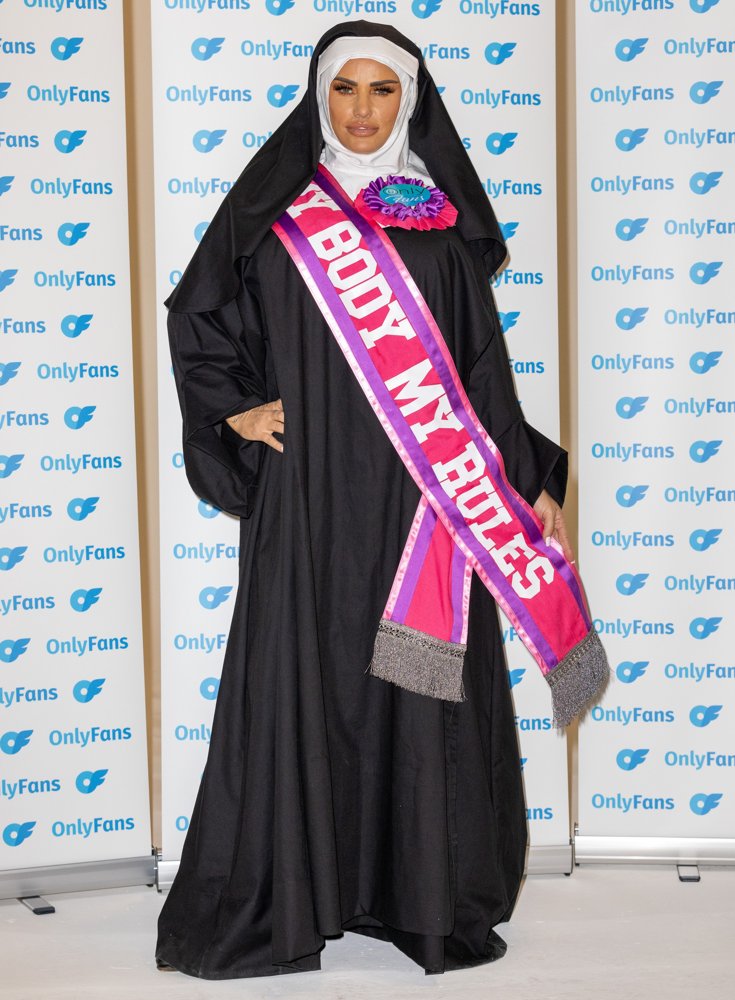
Katie Price
Katie Price Launches Only Fans Channel - Photocall
Jan 26, 2022
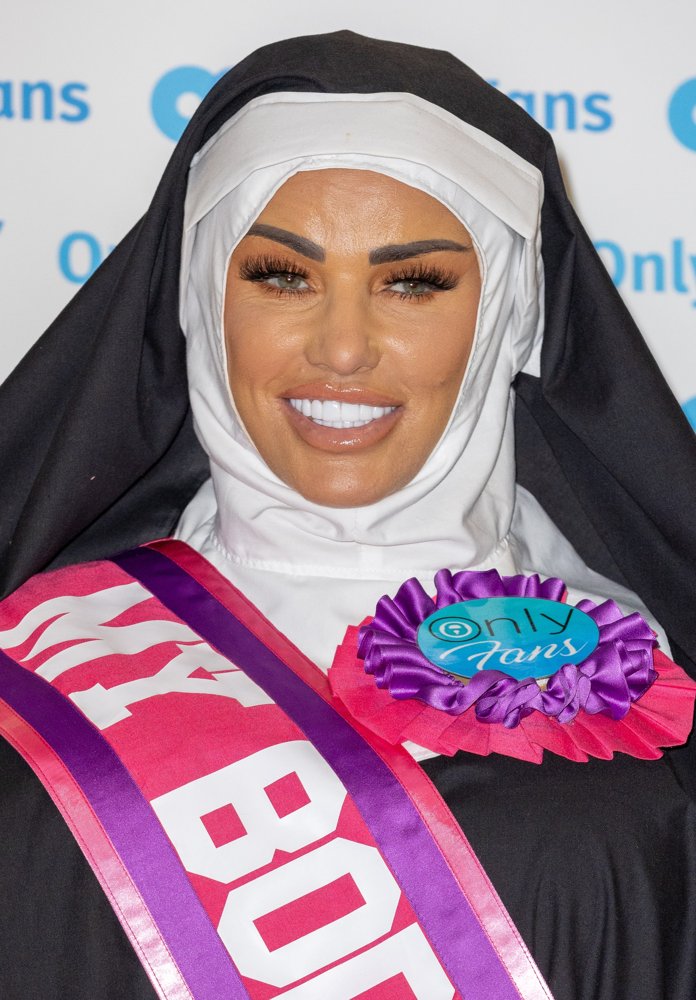
Katie Price
Katie Price Launches Only Fans Channel - Photocall
Jan 26, 2022
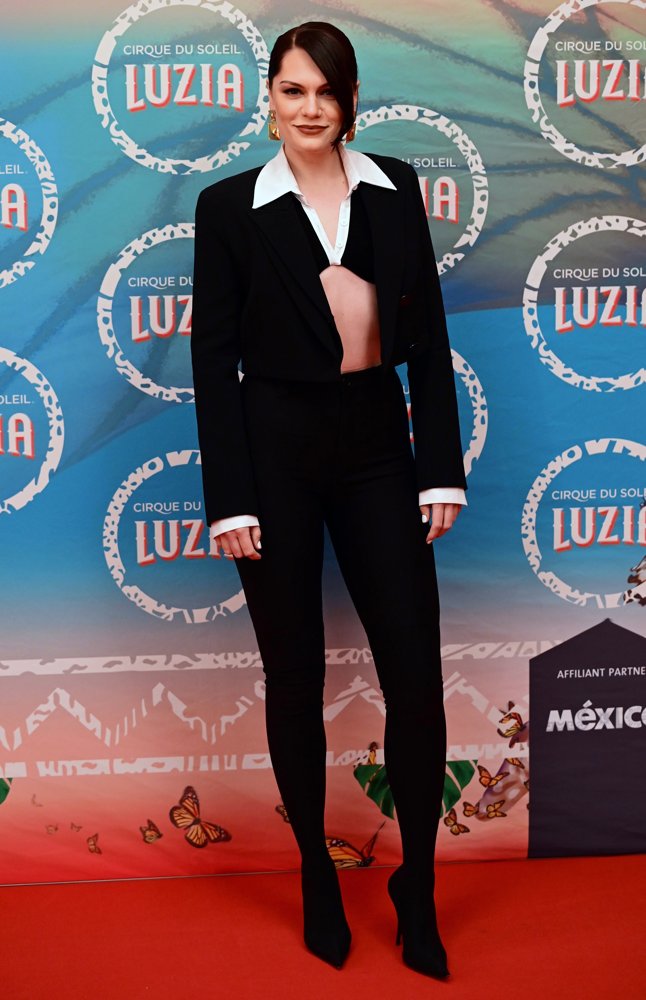
Jessie J
The Premiere of Cirque Du Soleil Luzia
Jan 13, 2022
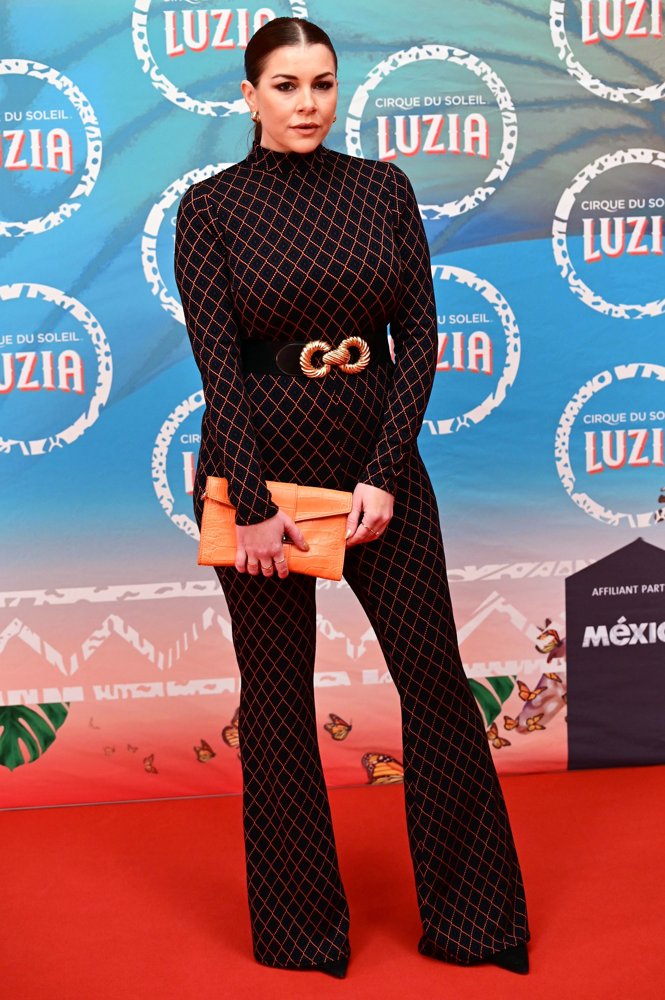
Imogen Thomas
The Premiere of Cirque Du Soleil Luzia
Jan 13, 2022

Hayley Palmer
The Premiere of Cirque Du Soleil Luzia
Jan 13, 2022

Phoenix Chi Gulzar
The Premiere of Cirque Du Soleil Luzia
Jan 13, 2022



⭐Featured Celebrities