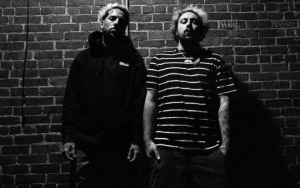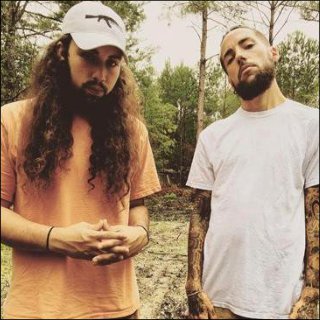
Hailing from the storied and turbulent streets of New Orleans, Louisiana, $uicideBoy$ emerged as one of the most visceral and influential underground hip-hop duos of the 2010s. Composed of cousins Ruby da Cherry (Aristos Petrou) and $crim (Scott Arceneaux Jr.), the group carved a distinct niche with their aggressively raw sound, which blends elements of Southern hip-hop, heavy metal, and horrorcore, paired with lyrics that unflinchingly explore themes of addiction, depression, and nihilism. Their DIY ethos and prolific output through the digital age cemented a fiercely loyal global fanbase, propelling them from SoundCloud pioneers to chart-topping touring artists.
The cousins' early lives in New Orleans were marked by personal struggles with substance abuse and financial instability, experiences that would later form the core of their artistic identity. Ruby da Cherry, a former drummer in metal bands, and $crim, a self-taught producer grappling with addiction, joined forces in 2014. They began releasing a staggering volume of music for free on SoundCloud, cultivating a dark, cohesive aesthetic through a series of themed "sagas." Their music, characterized by $crim's haunting, sample-heavy production and their rapid-fire, dual-vocal delivery, resonated deeply with a generation, building an organic following outside traditional industry channels.
A major breakthrough arrived in 2016 with the EP "Radical $uicide," which debuted at number 17 on the Billboard Top R&B/Hip-Hop Albums chart, a significant feat for an independent release. This success underscored their growing commercial power. They further solidified their status with projects like the "I Want to Die in New Orleans" album and high-profile collaborations, including tracks with Travis Barker of Blink-182, which expanded their sonic palette. Their relentless touring, including headlining the "Grey Day" tour, demonstrated their ability to command large-scale productions and connect massively with live audiences.
Despite their dark subject matter, $uicideBoy$ have often spoken about their music as a form of catharsis and a means to connect with listeners facing similar battles. Their journey from the depths of addiction to sobriety and success became a narrative thread in their later work, offering a glimmer of redemption. As they continue to release music and perform, $uicideBoy$ maintain their independence, operating primarily through their own G*59 Records label. They stand as a definitive example of how authenticity and a direct connection with fans can forge a formidable and enduring path in the modern music industry.