Learn how to deglaze a pan and turn stuck-on browned bits into a glossy pan sauce in minutes. Simple steps, real tips, zero fancy equipment.
- October 30, 2026
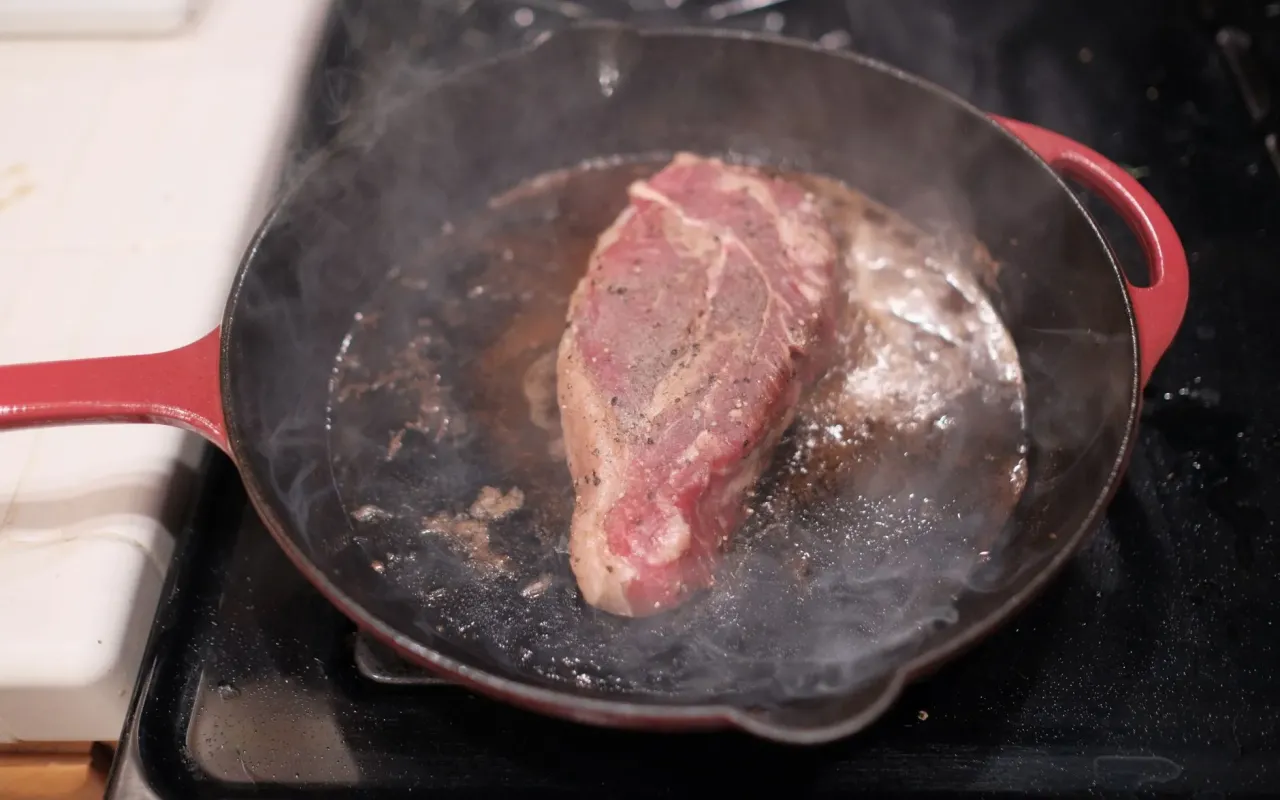
AceShowbiz - You just seared a pork chop or a chicken thigh, and the bottom of your skillet is a mess of dark, crusty bits. Most people reach for the sponge. Don't. Those browned bits—the French call them fond, which literally means "foundation"—are concentrated flavor, and with about three minutes and a splash of liquid, they become a pan sauce that tastes like you spent all afternoon on it.
Here's the surprising part: the technique behind restaurant-quality sauce is almost embarrassingly simple. You're not building a stock or reducing anything for an hour. You're dissolving flavor off hot metal and thickening it just enough to coat a spoon. Once you understand the mechanics, you'll do this without measuring anything, on a Tuesday, while the pasta water boils.
Why Deglazing Works (and Why It's Worth Learning)
When you sear meat, the surface hits roughly 300°F and something called the Maillard reaction kicks in—the same browning that makes toast and coffee smell so good. Those browned proteins and sugars stick to the pan because they're literally bonded to the hot metal. Water or wine breaks those bonds through a combination of heat and solvent action, lifting the flavor back into liquid form.
Restaurants rely on this constantly because it's free flavor. A chef searing eight steaks doesn't throw away eight pans of fond—that's eight portions of sauce base. At home, the payoff is even bigger: a single chicken breast cooked in a skillet can produce enough fond for a sauce that feeds two people generously. Skip the deglaze and you're pouring that flavor down the drain with the dish soap.
There's also a practical benefit people don't talk about enough. Deglazing cleans the pan while it flavors your food. The stuck-on layer releases as you scrape, which means less scrubbing later. You're solving two problems with one splash of liquid.
Quick tip: If your pan is nonstick, lower your expectations. Nonstick coatings are designed to prevent sticking, so you get very little fond and therefore very little sauce flavor. This technique shines in stainless steel, carbon steel, or cast iron.
What You Need Before You Start
The single most important rule of deglazing is timing: do it while the pan is still hot, immediately after removing the meat. If the pan cools, the fond hardens and you'll have to fight it. If the pan is screaming hot, your liquid will evaporate before it can dissolve anything. You want that sweet spot—hot enough to sizzle loudly the second liquid hits, but not so hot that it flashes into steam and vanishes.
Have your liquid ready in a cup before the meat comes out. This sounds fussy. It isn't—it's the difference between a smooth sauce and a pan of burnt butter while you rummage in the fridge. You'll also want a wooden spoon or a flat-edged spatula for scraping, and a fat of some kind (butter, olive oil, or the rendered fat already in the pan).
As for the liquid itself, here's a cheat sheet:
- Dry white wine: The classic. Bright acidity, works with chicken, pork, fish, and vegetables. Use something you'd actually drink.
- Stock or broth: Neutral and reliable. Great when you don't want wine flavor, like with steak or mushrooms.
- Vinegar (sherry, red wine, apple cider): Use a smaller amount—two to three tablespoons—then follow with stock. Big flavor, easy to overdo.
- Beer or cider: Fantastic with pork and sausage. Let it reduce a bit longer to mellow the bitterness.
- Citrus juice or water: The minimalist option. Water works in a pinch but adds no flavor of its own.
Actionable takeaway: Keep a small bottle of dry vermouth in your pantry. It's wine that doesn't go bad after opening, and it's the laziest good deglazing liquid you can own.
The Deglazing Process, Step by Step
Start with the meat out of the pan and resting on a plate. Pour off excess fat if there's a deep pool of it—you want a thin film coating the bottom, roughly a tablespoon, not a swimming pool. If the pan looks dry, add a knob of butter or a drizzle of oil and let it melt.
Now pour in your liquid—about a half cup for a standard 10- or 12-inch skillet. It should hiss and bubble aggressively. Immediately grab your wooden spoon and start scraping the bottom with firm pressure, working across the whole surface. Within 30 to 60 seconds, you'll see the dark bits dissolve and the liquid turn a rich brown. That's the moment you're looking for.
Let the liquid reduce by about half, which takes two to four minutes over medium-high heat. You're concentrating flavor and cooking off the raw alcohol taste if you used wine. Then pull the pan off the heat and swirl in a tablespoon or two of cold butter until it melts into a glossy, slightly thickened sauce. Taste it. Season with salt and pepper. If it tastes flat, a squeeze of lemon or a few drops of vinegar will wake it up.
One critical detail: cold butter, not room temperature. Cold butter emulsifies more evenly and gives you that silky texture instead of a greasy slick. Cut it into cubes and add them one at a time, swirling constantly.
Troubleshooting the Three Common Failures
The sauce tastes bitter or harsh. You didn't cook off enough alcohol, or you reduced a wine you wouldn't drink. Let it simmer another minute and add a small pinch of sugar to round it out.
The sauce looks broken or oily. The pan was too hot when the butter went in. Pull it off the heat completely, add a splash of cold liquid, and whisk hard.
The fond won't budge. The pan cooled down or the liquid wasn't hot enough. Turn the heat back up and add another splash of liquid—never scrape with a metal tool on a delicate surface.
Building Flavor Beyond the Basics
Once the plain version feels automatic, you can layer in aromatics. The trick is adding them after deglazing, not before. Once the fond is dissolved, toss in a minced shallot or a clove of garlic and let it soften in the liquid for a minute. They'll cook gently instead of burning in a dry pan.
Herbs work beautifully at the end—thyme, tarragon, and parsley all love a butter-finished sauce. A teaspoon of Dijon mustard stirred in adds body and a pleasant tang, especially with chicken. For steak, a splash of Worcestershire or a spoonful of soy sauce deepens the color and adds savory depth without tasting like either ingredient.
You can also finish with a little cream instead of butter. Add two tablespoons of heavy cream after the liquid reduces, let it bubble for 30 seconds, and you've got a pan sauce that clings to everything. This is the move for pork chops and mushrooms.
Practical tip: Taste your sauce on the actual food, not from the spoon. A sauce that seems too intense alone often tastes perfect once it hits a plain piece of chicken or a bite of rice.
Mistakes That Ruin a Good Pan Sauce
The biggest one is deglazing a pan that's still full of burnt black bits rather than brown ones. There's a line between flavorful fond and carbonized crud, and it's visible: brown is good, black is bitter. If your pan went too far, wipe it out, start fresh, and lower your heat next time.
Second mistake: using too much liquid. People pour in a full cup, then reduce it for ten minutes and wonder why the meat got cold. Half a cup is plenty for two servings. You want a sauce, not soup.
Third: forgetting to taste before serving. Pan sauces are unpredictable because they depend on what you just cooked. A sauce made after searing fish needs less salt than one made after salted pork. Thirty seconds with a spoon saves the whole dish.
Finally, don't deglaze a pan you've just used for something sticky and sweet, like a honey glaze. Those sugars burn fast, and the resulting sauce will taste like scorched caramel. Save the technique for savory sears.
Putting It Into Practice Tonight
The best way to learn this is to commit to it for one week. Every time you sear chicken, pork, steak, or even shrimp, deglaze the pan instead of washing it. By the fourth or fifth attempt, you'll stop measuring and start judging by sound and smell—the aggressive hiss, the smell of wine cooking off, the way the sauce coats the back of a spoon.
It's one of those skills that quietly upgrades everything you cook, because it turns a single ingredient into two: the protein and the sauce that belongs to it. No extra pots, no extra shopping, no extra time worth mentioning. Just a splash of liquid and a spoon.
So next time you pull a golden-brown chop out of the skillet, don't head for the sink. Pour in a glug of wine, scrape, swirl in butter, and taste what was sitting at the bottom of the pan all along.