Meet Brian Steel, the Atlanta attorney who’s spent 30+ years defending hip-hop’s biggest stars against unjust prosecution.
- August 26, 2026
AceShowbiz - Brian Steel has dedicated more than three decades to defending clients whom he believes are unfairly targeted by the criminal justice system, particularly within hip-hop culture. His work has made him a respected figure in legal circles and a steadfast ally to some of hip-hop’s most prominent artists.
Raised in Queens, New York, Brian Steel initially pursued business studies before shifting to law, ultimately focusing on criminal defense after witnessing a deeply troubling courtroom conviction of a teenager. This experience motivated him to use his legal career to protect individuals from unjust incarceration.
After relocating to Atlanta and passing the Georgia bar, Steel started his own practice with his wife, Colette, in 1997. Since then, he has represented a wide range of clients, from marginalized individuals to influential public figures, earning him national recognition as a skilled criminal defense attorney.
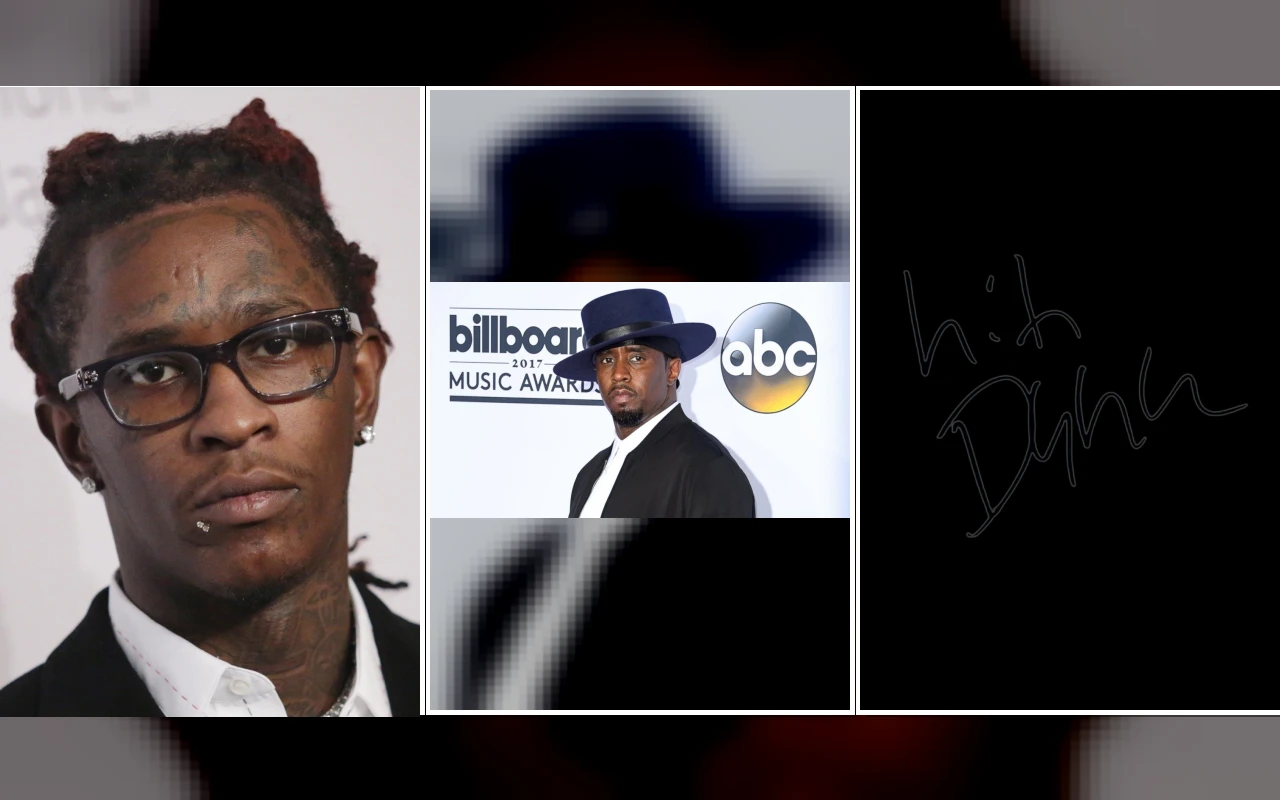
His connection to hip-hop began in the 2010s as Young Thug sought his representation during his rise in Atlanta’s rap scene. When Thug faced severe legal challenges in the 2023-2024 YSL RICO case, Steel was determined to prevent a life sentence for his longtime client. After a grueling year-long trial, Steel successfully negotiated a plea deal in 2024 that resulted in time served and probation rather than a harsh prison term.
Following this victory, Steel was chosen by Sean Combs, known as Diddy, to join his defense team in April 2025, as the hip-hop mogul faced federal charges including sex trafficking and racketeering conspiracy. Like with Thug, Steel viewed the charges against Diddy as unjust attempts to dismantle a hip-hop icon. Although the trial resulted in a conviction on lesser charges, Steel and the legal team consider the outcome a partial success.
Most recently, Steel became part of Lil Durk’s defense team in March 2026. Lil Durk faces a possible life sentence if convicted of orchestrating a murder-for-hire plot linked to the 2022 death of rival rapper Quando Rondo. The case remains pending, with a re-indictment expected imminently.
Steel has been outspoken about the systemic challenges hip-hop artists face within the criminal justice system. He argues that authorities often target artists based on stereotypes rooted in race, style, and culture rather than concrete evidence. This includes scrutiny over lyrics, tattoos, and even casual communication, which prosecutors and law enforcement use to paint artists as dangerous criminals.
He highlights the racial disparities in how individuals are treated, noting that non-Black people openly display rebellious imagery without facing law enforcement harassment, while Black artists are regularly stopped, searched, and arrested under dubious pretenses such as noise complaints or suspicious behavior.
The attorney cites the treatment of Young Thug as a clear example of this bias. Despite minimal evidence, Thug was frequently targeted with arrests, searches, and overwhelming police presence. Steel believes the prosecution sought to dismantle Thug's career and legacy by associating his music with gang activity and violent crimes, which he contests was a misrepresentation.
During the YSL RICO trial, Steel encountered significant judicial obstacles, including being held in contempt for protecting client confidentiality related to a secret meeting between the judge, prosecutors, and a key witness. Although this contempt charge was later overturned, the incident exemplifies the challenges he faces in defending hip-hop clients.
Despite frustrations with the justice system, Steel remains committed to seeking fairness rather than harboring bitterness. He views his clients who resist unjust prosecution as heroes and emphasizes the importance of upholding the right to a fair trial, which he sees as severely compromised in many hip-hop related cases.
His impact extends beyond the courtroom; artists like Drake have publicly acknowledged Steel’s role in advocating for hip-hop figures, highlighting his influence within the culture. Meanwhile, Steel continues to stand firm in his belief that many hip-hop artists are unfairly singled out and that the system often operates with racial prejudice and misinformation.
As Steel prepares for Lil Durk’s upcoming trial, he remains focused on assembling a strong legal defense and exposing flaws in the prosecution’s case. The outcome of this high-profile trial will be another pivotal moment in his ongoing mission to protect hip-hop artists from what he considers an unjust legal system.
Through decades of experience, Brian Steel has positioned himself as a crucial defender of hip-hop culture against systemic bias, combining legal expertise with a deep personal commitment to justice for his clients. His work continues to shape the evolving intersection between music, culture, and law enforcement in America.
This article is based on reporting originally published by Xxlmag.