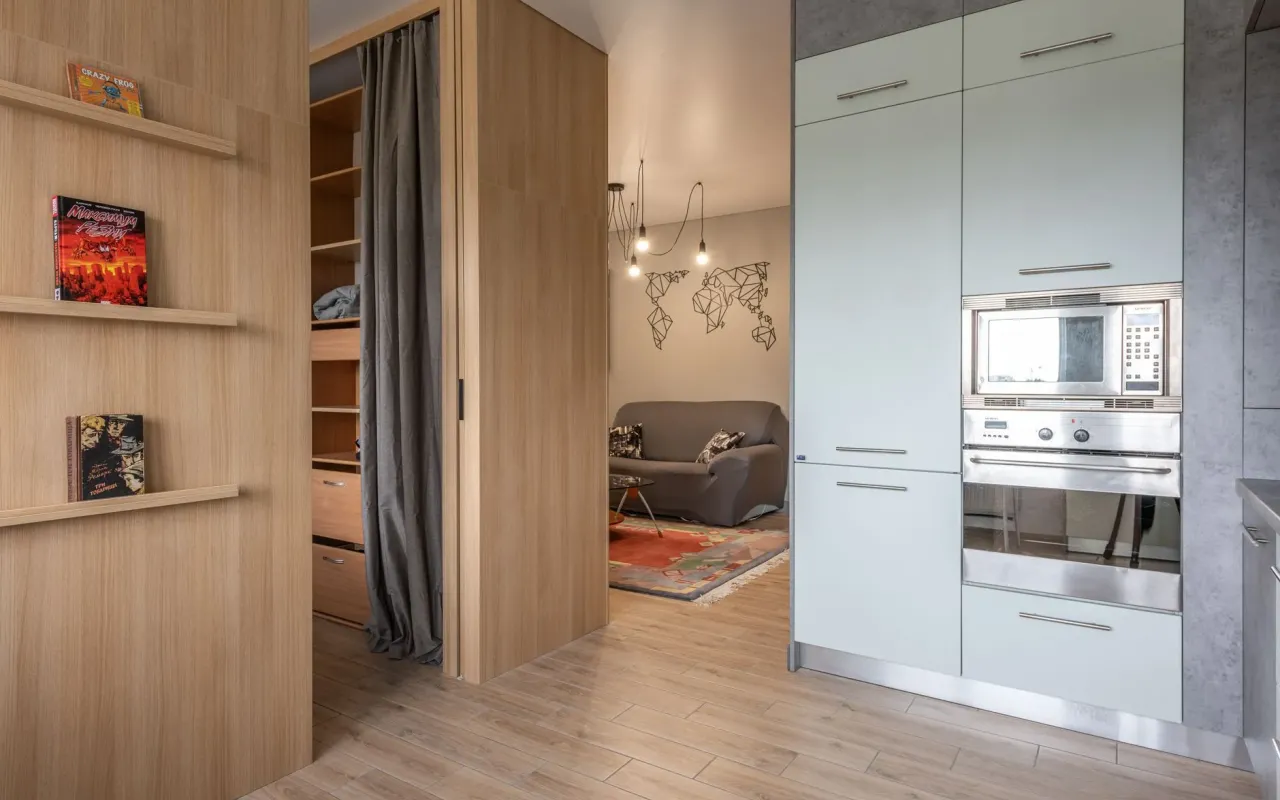
Ditch the clutter with real-world storage solutions for small apartments. Learn vertical tricks, dual-purpose furniture, and organization tips that fit your life.
- June 7, 2026
Why Your Small Apartment Feels Smaller Than It Actually Is
You know that sinking feeling when you walk into your apartment after a long day, and it feels like the walls are closing in? It's not your imagination—it's likely the clutter. A 2020 study by the National Association of Realtors found that 45% of renters cite lack of storage as their top frustration. And honestly, it's not just about having less square footage; it's about how you use every inch of what you have.
The real problem isn't your apartment size—it's that most of us treat storage as an afterthought. We shove things into closets, stack boxes in corners, and hope for the best. But that approach backfires. Clutter creates mental fog and makes a space feel cramped. Instead, think of storage as a design challenge: how can you hide the chaos while making your daily life easier?
Here's the honest truth: you don't need a massive renovation or expensive custom shelving. You need smart, practical hacks that work with your existing layout. Whether you're in a 400-square-foot studio or a one-bedroom, these strategies will help you breathe again—and maybe even find that missing charging cable.
Go Vertical Before You Go Horizontal
Claim Your Wall Space Immediately
Floor space is at a premium, but walls are often underutilized. The average apartment has about 8 feet of vertical clearance from floor to ceiling. That's a lot of real estate you're ignoring. Installing floating shelves above doorways, along narrow hallways, or in awkward corners can instantly add 10-20 cubic feet of storage without eating into your living area.
I once helped a friend in a 500-square-foot Brooklyn studio turn a blank wall near the kitchen into a vertical spice rack, cookbook shelf, and small plant display. It took one afternoon and cost under $50. The result? Her countertops cleared up, and she stopped tripping over boxes of pasta. The key is to measure twice and use heavy-duty anchors if you're renting—no one wants a shelf crashing down at 2 AM.
Don't Forget the Back of Doors
Door-mounted organizers are a game-changer. Over-the-door hooks for coats, bags, or towels cost less than $15 and can hold up to 30 pounds. For closets, try a hanging shoe organizer with clear pockets—not just for shoes, but for charging cables, sunscreen, or even snack packs. You'd be surprised how much clutter migrates from your nightstand to that organizer.
But here's the catch: don't overload the door. A door that can't close properly will annoy you daily. Stick to lightweight items and check the door's clearance. If you have a hollow-core door, use adhesive hooks instead of screws to avoid damage. This simple shift can free up an entire drawer or shelf.
Embrace Dual-Purpose Furniture Without Sacrificing Style
The Ottoman That Works Overtime
Ottomans are the unsung heroes of small-space living. A storage ottoman can double as a coffee table, a footrest, and a hidden bin for blankets, board games, or off-season clothes. Look for one with a sturdy lid and a neutral color that blends with your decor. I've seen people stash everything from yoga mats to emergency candles inside—and no one ever knows.
But don't stop there. Consider a bed frame with built-in drawers underneath. According to a 2022 survey by Apartment Therapy, 65% of renters who upgraded to a platform bed with storage drawers reported feeling less cluttered within a week. That's because you're not just storing items—you're hiding them in plain sight. And for guests, a pull-out sofa with a hidden compartment is a lifesaver for extra linens and pillows.
Nesting Tables and Fold-Down Desks
Nesting tables are perfect for small living rooms. They provide surface space when you need it—say, for a laptop or a snack—and tuck away when you don't. Similarly, fold-down wall desks are a fantastic option for remote workers. When closed, they look like a cabinet or artwork. Open them, and you've got a full workspace with a shelf for your monitor.
The trick is to choose furniture that serves at least two functions. A bookshelf can also be a room divider. A bench with storage can be seating in the entryway and a shoe rack. Every piece should earn its square footage. If it doesn't, consider donating or selling it. Your space will thank you.
Use Every Nook and Cranny Like a Pro
Corners Are Gold Mines
Corners are often wasted space. But with a corner shelf unit or a lazy Susan, you can turn dead zones into functional storage. In the kitchen, a corner cabinet can become a spice carousel. In the living room, a corner bookshelf can hold plants, books, and decorative boxes that hide remotes and mail.
I once installed a small corner shelf in my bathroom above the toilet. It now holds extra toilet paper rolls, a candle, and a tiny plant. That simple addition freed up the entire vanity cabinet for cleaning supplies and toiletries. The best part? It cost me $20 and took 10 minutes. Measure your corners carefully—some are tighter than they look—and use adhesive strips if you can't drill.
Under the Bed Is Not a Dumping Ground
Under-bed storage is one of the most overlooked spaces. But don't just shove random boxes under there. Use low-profile storage bins with lids—preferably clear ones so you can see what's inside. Label them by category: winter clothes, holiday decorations, extra bedding. This is where you store items you use seasonally, not daily.
A word of caution: don't fill this space with things you'll never use. If you haven't touched that box in two years, it's time to donate. Under-bed storage works best for things you access once or twice a year. For daily items, stick to closets or shelves. The goal is to reduce friction, not add more chaos.
Rethink Your Closet: It's Not Just for Clothes
Maximize Hanging Space with Double Rods
Most closets have a single hanging rod, which wastes the space below. Installing a second rod—or using a hanging shelf organizer—can double your hanging capacity. Put shorter items like shirts and jackets on the lower rod, and longer items like dresses or coats on the upper rod. This simple tweak can add 30-40% more hanging space.
If you have a deep closet, invest in slim velvet hangers. They take up less width than plastic or wooden hangers, allowing you to fit more items per rod. I switched to velvet hangers last year and gained an extra foot of hanging space. It sounds small, but that means five more shirts or two more jackets. Every inch counts.
Use the Closet Door for Accessories
The back of your closet door is prime real estate. Install a clear shoe pocket organizer or a pegboard for belts, scarves, and hats. You can also use adhesive hooks for bags or umbrellas. This keeps accessories visible and accessible, so you're not rummaging through drawers every morning.
One of my favorite hacks is using a tie rack—not just for ties, but for necklaces or bracelets. It keeps jewelry tangle-free and doubles as decor. For renters, 3M command hooks work wonders and won't damage the paint. Just make sure to clean the surface first and wait 24 hours before hanging anything heavy.
Kitchen Storage: Small Changes, Big Impact
Declutter Your Countertops First
Your kitchen counters are not storage spaces. They're work surfaces. If they're cluttered with appliances, you're losing cooking space and making the room feel cramped. Limit countertop items to three essentials—maybe a coffee maker, a toaster, and a utensil holder. Everything else goes in cabinets or drawers.
I know it's tempting to leave that air fryer out because you use it twice a week. But try putting it in a lower cabinet with a pull-out shelf. You'll still access it easily, but your counters will look clean. A 2021 survey from Houzz found that 72% of people who decluttered their counters reported feeling less stressed while cooking. That's a win for your brain and your meal prep.
Magnetic Strips and Drawer Dividers
Magnetic strips on the wall can hold knives, spice jars, or even metal utensils. This frees up drawer space and keeps blades safely stored. For pots and pans, consider a hanging pot rack or a wall-mounted rack. If you're renting, use adhesive magnetic strips that don't require drilling.
Drawer dividers are a cheap fix for chaotic kitchen drawers. They keep utensils, measuring spoons, and gadgets organized so you're not digging through a jumble. I spent $8 on a set of expandable dividers and now my "junk drawer" is actually functional. The key is to group similar items together—baking tools in one section, cooking tools in another.
Bathroom Storage: Small Spaces, Big Needs
Over-the-Toilet Shelves Are a Must
The space above your toilet is often wasted. An over-the-toilet shelf unit can hold towels, toiletries, and decorative baskets. This is especially useful if you have a pedestal sink with no cabinet. Look for a unit with open shelves to keep the space airy, or closed cabinets to hide clutter.
I installed a bamboo over-the-toilet shelf in my small bathroom last month. It now holds extra toilet paper, a candle, and a small plant. The result? My sink counter is completely clear, and I no longer have to store toilet paper rolls under the sink. That space is now for cleaning supplies. It's a small change that makes a big difference.
Use Tension Rods for Shower Storage
Tension rods aren't just for shower curtains. Install one vertically in a corner to hang loofahs, washcloths, or even small baskets with shampoo bottles. You can also place a tension rod horizontally in a cabinet to hang spray bottles or cleaning tools. This keeps items off the floor and makes them easy to reach.
For renters, tension rods are ideal because they don't require drilling or adhesive. Just make sure the rod fits snugly—test it by giving it a gentle tug. If it slips, add a rubber band or grippy pad to the ends. This hack costs under $10 and can transform a cluttered shower into a tidy space.
Living Room Storage: Keep It Functional and Beautiful
Use Baskets and Decorative Boxes
Baskets are your best friend in a small living room. They hide remote controls, magazines, kids' toys, and extra throw blankets. Place them under coffee tables, next to sofas, or on open shelves. Choose baskets in natural materials like seagrass or woven cotton to add warmth without looking messy.
I keep a large basket next to my couch for blankets. It's both functional and decorative. When guests come over, I just toss a blanket in there, and it looks intentional. For smaller items, use decorative boxes on shelves. They keep clutter hidden while adding visual interest. The trick is to buy baskets that fit the space—measure before you buy.
Ottomans with Hidden Storage
We touched on this earlier, but it deserves its own section. A storage ottoman can be the centerpiece of your living room—or a side table. Fill it with board games, extra pillows, or even a small emergency kit. I've seen people store yoga mats, knitting supplies, and even a small safe inside.
When choosing an ottoman, look for one with a sturdy lid that won't sag over time. Leather or faux leather options are easy to clean. Fabric ones are softer but may show stains. Consider your lifestyle: if you have pets, go for a durable material. If you host often, choose one with a removable top that doubles as a tray.
Bedroom Storage: Sleep Better Without the Clutter
Use Your Nightstand Wisely
Your nightstand is not a catch-all. Keep only the essentials: a lamp, a book, and a small tray for glasses or phone. If you need more storage, choose a nightstand with drawers or shelves. A floating shelf above the bed can hold a plant or a photo frame without taking floor space.
I replaced my bulky nightstand with a slim one that has two drawers. Now I store my charging cables, e-reader, and a notebook inside. My bedside area looks clean, and I can actually find things. If you have a small bedroom, consider a wall-mounted nightstand that folds down. It's a space-saver that works wonders.
Maximize Closet Space with Vertical Dividers
Closet shelves often have wasted vertical space. Use shelf dividers or stackable bins to organize sweaters, jeans, and accessories. This prevents stacks from toppling over and makes it easy to grab what you need. For folded items, use the KonMari method: fold them vertically so you can see everything at a glance.
One more tip: store off-season clothes in vacuum-sealed bags under the bed. This reduces volume by up to 80% and keeps them dust-free. When summer comes, swap out bags. It's a cycle that keeps your closet from overflowing. The key is to be ruthless about what you keep. If you haven't worn it in a year, donate it.
Final Thoughts: Storage Is a Habit, Not a One-Time Fix
Maximizing storage in a small apartment isn't about buying more bins or organizing every shelf perfectly. It's about creating systems that work for your daily life. Start with one area—maybe your closet or kitchen counters—and apply one or two of these hacks. See how it feels to have less clutter and more breathing room.
Remember, you don't have to do everything at once. Small changes add up. That over-the-toilet shelf, those magnetic strips, that storage ottoman—they all work together to make your space feel bigger and your mind feel calmer. And honestly, isn't that what home is supposed to feel like?
So go ahead. Measure that wall, order those hooks, and reclaim your space. Your apartment—and your sanity—will thank you.