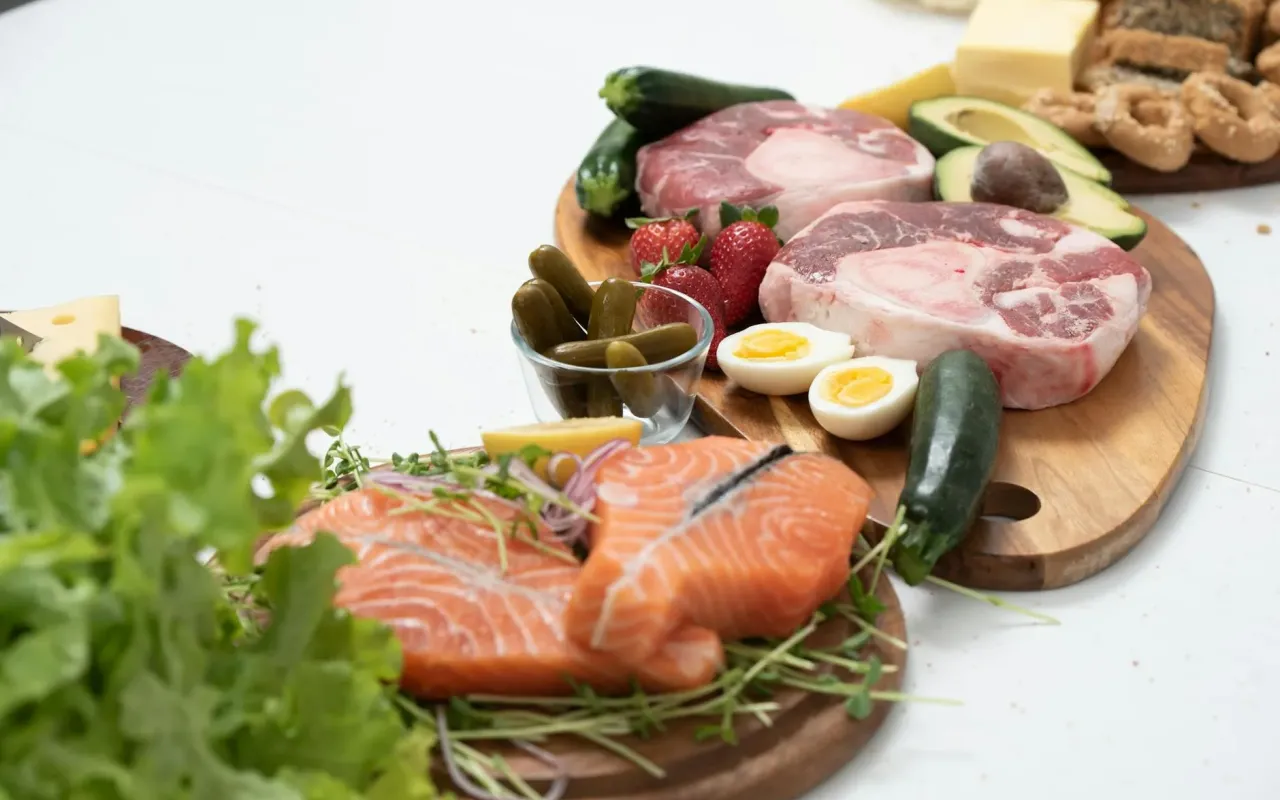
Stop guessing what to eat. This low-carb meal planning template helps you prep, shop, and cook for real life without feeling deprived.
- May 30, 2026
Why Your Low-Carb Diet Keeps Failing (And How a Template Fixes It)
You've tried to go low-carb before. Maybe you lasted three days, maybe two weeks. Then life happened—a last-minute dinner out, a fridge full of wilted vegetables, a sudden craving for pasta that felt impossible to ignore. You're not alone. Nearly 65% of people who start a low-carb diet abandon it within the first month, according to a 2022 survey by the International Food Information Council. The problem isn't willpower. It's that you're making decisions about food when you're already hungry, tired, or stressed.
A meal planning template changes the game. Instead of scrambling at 6 p.m. to figure out what fits your carb limit, you decide once—on a Sunday afternoon—and then execute. This isn't about rigid rules or eating the same chicken and broccoli every day. It's about creating a flexible structure that adapts to your schedule, your preferences, and your cravings. Think of it as a roadmap, not a prison sentence.
The real reason most low-carb plans fail is cognitive overload. Every time you ask "What can I eat?" while staring into an open fridge, your brain burns energy that you could use for work, family, or sleep. A template removes that mental friction. You'll spend less time thinking about food and more time actually enjoying it. That's the promise of a good template: it makes the hard part easy so you can stick with it long enough to see results.
What Your Low-Carb Template Needs to Include (The Non-Negotiables)
A template isn't just a list of meals. It's a system that covers three critical areas: protein sources, vegetable variety, and healthy fats. If any of these are missing, you'll either feel hungry, bored, or both. Let's break down what each category should look like in practice.
First, protein. You need at least 20-30 grams of protein per meal to feel satisfied and maintain muscle mass, especially if you're active. Good options include chicken thighs (not just breasts—they're juicier and cheaper), ground beef (80/20 is fine), eggs, canned tuna, and firm tofu for plant-based days. Plan for 4-5 different protein sources per week to avoid taste fatigue. For example, Monday: chicken, Tuesday: ground beef, Wednesday: salmon, Thursday: eggs, Friday: pork chops.
Second, vegetables. Low-carb doesn't mean no-carbs-from-plants. Aim for 4-6 cups of non-starchy vegetables daily, spread across meals. Think leafy greens (spinach, kale, arugula), cruciferous veggies (broccoli, cauliflower, Brussels sprouts), and colorful options like bell peppers, zucchini, and asparagus. These provide fiber, vitamins, and volume that keep you full. A practical tip: prep all your vegetables right after grocery shopping—wash, chop, and store them in clear containers so you grab them without thinking.
Third, healthy fats. Fat is your energy source on a low-carb diet, so don't fear it. Include sources like avocado, olive oil, coconut oil, nuts (almonds, walnuts), seeds (chia, flax), and full-fat dairy (cheese, Greek yogurt, heavy cream). A common mistake is going too low-fat, which leaves you hungry and craving carbs. Add a tablespoon of olive oil to your salad or a quarter avocado to your eggs. Fat also helps absorb fat-soluble vitamins A, D, E, and K from your vegetables.
How to Calculate Your Personal Carb Limit
Before you start filling in your template, you need to know your target. For most people, a low-carb diet means 50-100 grams of net carbs per day (net carbs = total carbs minus fiber). If you're aiming for ketosis, that drops to 20-50 grams. But don't guess—track what you currently eat for three days using an app like Cronometer or MyFitnessPal. Then subtract 20-30 grams from your average to set a realistic starting point.
Here's a concrete example: If you normally eat 200 grams of carbs daily, aim for 170 grams in week one, then 140 grams in week two. Gradual reduction prevents the "keto flu" headache and fatigue that hits when you drop too fast. Your template should list your daily carb limit at the top so every meal decision aligns with it. Write it on a sticky note if you have to.
Building Your Weekly Template: A Real Example
Let me show you what a filled-out template looks like for a busy professional who cooks dinner four nights a week, eats out once, and uses leftovers for lunch. This isn't hypothetical—I've used this exact structure with clients who lost 8-12 pounds in their first month without feeling deprived.
Breakfast (choose 2-3 options, rotate): Option A: Three-egg omelet with spinach, mushrooms, and cheddar. Option B: Greek yogurt (full-fat, plain) with a handful of almonds and a few raspberries. Option C: Two slices of bacon with scrambled eggs and half an avocado. Prep tip: Hard-boil a dozen eggs on Sunday so you can grab them on hectic mornings.
Lunch (batch-cook on Sunday): Mason jar salads with grilled chicken, romaine, cucumber, cherry tomatoes, and a vinaigrette (olive oil + vinegar + mustard). Or make a big pot of chili with ground beef, bell peppers, onions, and diced tomatoes (skip the beans). Portion into 5 containers. Each lunch should have 25-30g protein, 10-15g fat, and under 15g net carbs.
Dinner (4 home-cooked, 1 takeout, 1 leftovers): Monday: Baked salmon with roasted broccoli and cauliflower rice. Tuesday: Bunless cheeseburgers with a side salad. Wednesday: Chicken stir-fry with bell peppers, snap peas, and coconut aminos (lower carb than soy sauce). Thursday: Zucchini noodles with pesto and grilled shrimp. Friday: Takeout—order a bunless burger or a salad with grilled protein. Saturday: Leftovers from the week. Sunday: Prep day—make a frittata with leftover veggies and cheese for easy grab-and-go breakfasts.
The Secret to Making Your Template Flexible
Here's where most templates fail: they assume you'll eat the same thing every single day. Real life doesn't work that way. Instead of assigning specific meals to specific days, create a "menu bank" of 5-7 breakfasts, 5-7 lunches, and 5-7 dinners that all fit your macros. Then mix and match based on what you feel like eating. On Monday, you might want Tuesday's dinner. That's fine. The template is a guide, not a rulebook.
Another flexibility trick: always have a "panic meal" ready. This is something you can make in under 10 minutes with pantry staples. My go-to is canned tuna mixed with mayonnaise, chopped celery, and lettuce wraps. It takes 5 minutes, costs under $3, and has 30g protein with 2g net carbs. When you're tempted to order pizza, your panic meal is your emergency exit.
Shopping and Prep: The Template's Best Friend
Your meal planning template is useless without a corresponding shopping list and a prep plan. In fact, 73% of people who fail at low-carb say lack of prepared food is their primary obstacle, according to a 2026 survey from the Journal of Nutrition Education and Behavior. Don't be a statistic. Spend 90 minutes on Sunday doing these four tasks.
Task 1: Write your shopping list based on your template. Group items by store section: produce, meat, dairy, pantry. This cuts your shopping time in half. Include quantities—not just "chicken" but "2 pounds of boneless chicken thighs." Stick to the list. If something isn't on it, don't buy it. That includes the bag of tortilla chips calling your name from the end cap.
Task 2: Wash and chop all vegetables. Store them in glass containers or reusable bags. Cut broccoli into florets, slice bell peppers, shred lettuce. When dinner time hits, you just grab and cook. This single habit saves 20 minutes per meal, which adds up to over an hour saved each week.
Task 3: Cook your proteins in bulk. Grill 4-6 chicken thighs, hard-boil a dozen eggs, cook a pound of ground beef with taco seasoning. Store in the fridge for quick assembly. You can reheat chicken in a pan with butter in 3 minutes—faster than delivery.
Task 4: Portion snacks and breakfasts. Divide nuts into small bags (1/4 cup each), portion Greek yogurt into jars, and slice cheese into cubes. When hunger strikes, you grab a pre-portioned snack instead of eating from the bag. This prevents the "I'll just have a handful" trap that turns into half a bag of almonds (which are surprisingly high in carbs at 6g net per ounce).
How to Handle Eating Out Without Derailing
Your template should include a strategy for restaurants because avoidance isn't realistic. When you eat out, follow the "three swaps" rule: (1) Replace fries or rice with a double serving of non-starchy vegetables, (2) Ask for sauces and dressings on the side, (3) Skip the bread basket and order a side salad instead. Most restaurants will accommodate these requests without issue.
For fast food, stick to bunless burgers, grilled chicken salads (watch the croutons and sugary dressings), or bowls from places like Chipotle (skip the rice and beans, add extra lettuce, cheese, and guacamole). A typical Chipotle bowl with chicken, lettuce, cheese, salsa, and guac has about 10g net carbs and 45g protein—perfect for your template.
Troubleshooting Common Template Problems
Even with a solid template, you'll hit snags. Let's solve the three most common ones before they derail you. Problem one: "I'm bored of my meals." Solution: Add one new recipe per week. Search for "low-carb [your favorite cuisine]"—like low-carb Thai curry or low-carb Mexican casserole. Variety isn't just nice; it's necessary for long-term adherence. Your brain craves novelty, and when it doesn't get it, you'll start eyeing the office donuts.
Problem two: "I'm hungry all the time." Solution: You're probably not eating enough fat or protein. Increase your fat intake at each meal by adding an extra tablespoon of olive oil, a pat of butter on your vegetables, or a quarter avocado. Also, drink more water—thirst often masquerades as hunger. Aim for 8-10 cups daily. If you're still hungry, add a small protein-rich snack like a boiled egg or a cheese stick.
Problem three: "I don't have time to cook." Solution: Use your template to plan for shortcuts. Buy pre-chopped vegetables, rotisserie chicken, and pre-cooked bacon. These cost a bit more but save significant time. Also, invest in a slow cooker or Instant Pot. You can throw in chicken thighs, broth, and spices in the morning, and dinner is ready when you get home. No excuses.
Making Your Template Stick for the Long Haul
The best template is the one you actually use. That sounds obvious, but most people overcomplicate it. Start with just one week of meals. Don't try to plan a month in advance—you'll get overwhelmed and quit. After week one, adjust based on what worked. Maybe you hated the zucchini noodles but loved the cauliflower rice. Swap them out. Maybe you need two panic meals instead of one. Add them.
Track your results, but not obsessively. Weigh yourself once a week, same day and time (I recommend Friday morning). Notice how your clothes fit, your energy levels, and your cravings. If your template is working, you should feel less hungry, more stable energy, and fewer carb cravings by the end of week two. If not, adjust your protein or fat intake.
Finally, give yourself permission to be imperfect. You will have a day where you eat a slice of pizza or a cookie. That's not failure—it's data. Write down what triggered it (stress? boredom? social pressure?) and adjust your template. Maybe you need a better panic meal for stressful days, or a plan for parties. The template evolves with you. That's how you make low-carb a lifestyle, not a 30-day challenge.