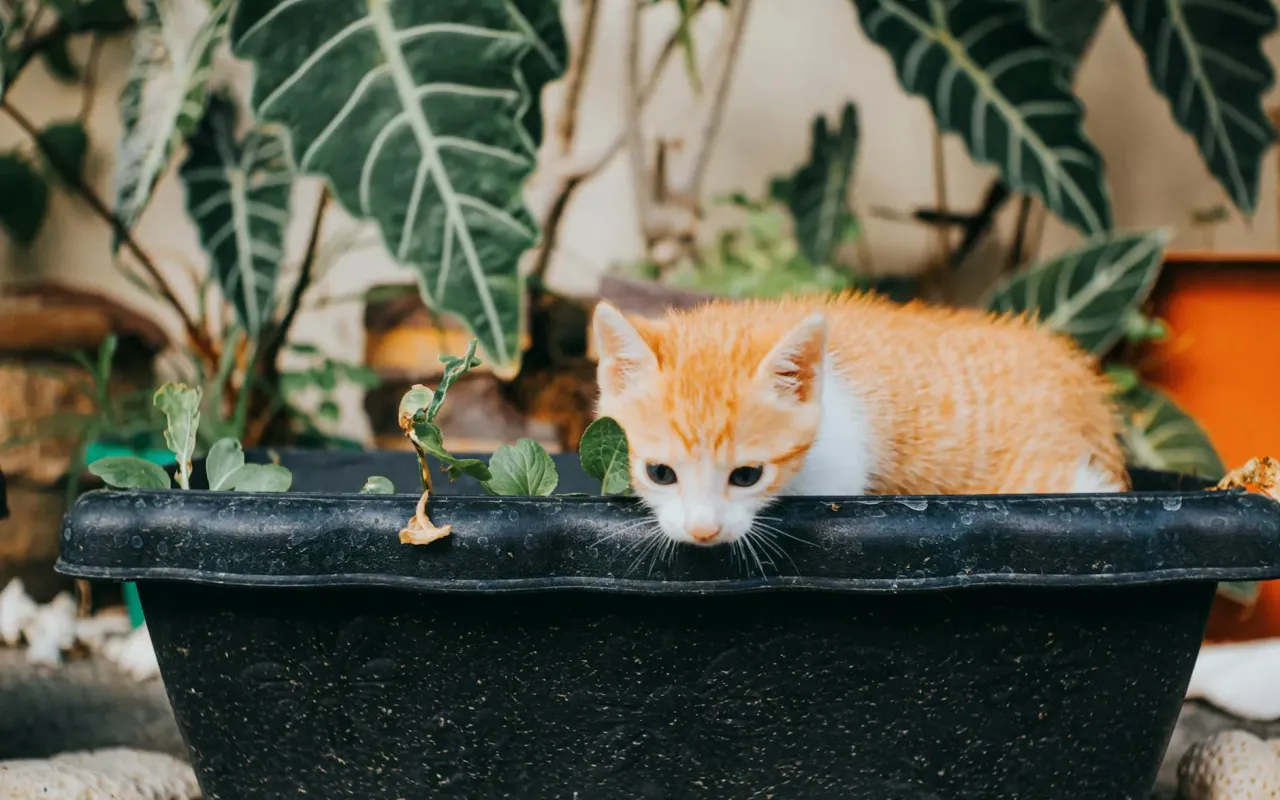
Keep your cat safe from common houseplants. We break down the most dangerous toxic plants and give you beautiful, pet-safe alternatives.
- May 20, 2026
The Silent Danger in Your Living Room
You probably know the feeling. You come home with a gorgeous new monstera or a delicate peace lily, excited to fill that empty corner. But then your cat, the little green-eyed detective, starts sniffing, pawing, and maybe even taking a tiny nibble. Most of the time, it's harmless. But sometimes, that single bite can send your cat to the emergency vet.
Here's a surprising fact: The ASPCA Poison Control Center handles over 200,000 cases of pet poisoning every year, and a huge chunk of those come from common houseplants. Lilies alone are responsible for countless fatal kidney failures in cats. The scary part is that many of the plants we buy without thinking—like lilies, sago palms, and certain philodendrons—are actually ticking time bombs for our feline friends.
This isn't about living in a plant-free bubble. It's about knowing what's in your home and making smart swaps. You can have a lush, vibrant indoor jungle without risking your cat's health. I'm going to walk you through the most dangerous plants to avoid, the specific symptoms to watch for, and the beautiful, safe alternatives you can buy with zero guilt.
The Top 5 Most Dangerous Plants for Cats (That You Probably Own)
Not all plants are created equal. Some cause a little drooling or an upset stomach, while others can kill a cat within hours. The key is knowing which ones are truly non-negotiable to keep out of your home. Here are the five worst offenders.
Lilies: The Absolute Killers
If you own a cat, lilies are a hard no. This includes Easter lilies, tiger lilies, daylilies, and Asiatic lilies. Even a tiny amount of pollen, a leaf, or the water from the vase can cause acute kidney failure. I've seen stories of cats who just brushed against a lily and then licked the pollen off their fur—and they didn't survive. There is no safe amount. If you love lilies, keep them only in rooms your cat never enters, or better yet, don't bring them home at all. The treatment for lily poisoning is aggressive and expensive, and even then, the prognosis is grim.
Sago Palms: A Slow, Painful Poison
These look like mini palm trees and are trendy in modern homes. But every single part of the sago palm—especially the seeds—contains cycasin, a toxin that attacks the liver. Symptoms start with vomiting and diarrhea, but within days, it can lead to liver failure, seizures, and death. There is no antidote. A single seed can kill a small cat. I've seen cases where a cat chewed on a sago palm leaf, and the owner didn't realize anything was wrong until the cat was lethargic and yellow from jaundice. By then, it's often too late.
Tulips and Hyacinths: The Bulb Danger
Most people think of the flower, but the real problem is the bulb. Tulip and hyacinth bulbs contain concentrated toxins that cause intense gastrointestinal distress, drooling, and even cardiac issues. If your cat digs up a potted bulb or chews on one stored in a garage, it's an emergency. The symptoms can look like a bad stomach bug, but the risk of dehydration and heart complications is real. Keep bulbs out of reach, and never plant them in areas your cat can access.
Philodendrons, Pothos, and Dieffenbachia: The Mouth Burners
These are the most common houseplants on the planet. They're easy to grow and hard to kill, which is why they're in millions of homes. However, they contain calcium oxalate crystals, which are like tiny needles that embed in your cat's mouth, tongue, and throat. The result is immediate pain, drooling, pawing at the mouth, and swelling. It's rarely fatal, but it's incredibly painful and can cause breathing problems if swelling is severe. I've seen a cat eat a pothos leaf and then run around the house drooling and crying. It's heartbreaking and completely avoidable.
Aloe Vera: Not Just a Skin Soother
Aloe vera is a miracle plant for human burns, but it's a nightmare for cats. The gel inside is safe, but the latex layer just under the skin contains saponins and anthraquinones, which are potent laxatives. If your cat eats aloe, expect severe vomiting, diarrhea, and dehydration. It won't kill a healthy adult cat quickly, but it can make them miserable and require a vet visit for fluids. And for kittens or older cats, it can be dangerous.
How to Spot Plant Poisoning Before It's Too Late
Even if you're careful, accidents happen. Maybe your cat got into a neighbor's garden, or you forgot to move a plant. Knowing the early signs of poisoning can mean the difference between a quick recovery and a tragedy. The tricky part is that many symptoms look like a common stomach bug or hairball issue.
Watch for these red flags: sudden drooling, pawing at the mouth, vomiting (especially with plant material), diarrhea, lethargy, loss of appetite, or hiding. If your cat's gums look pale, yellow, or blue, that's a sign of liver or oxygen problems. If they have trouble breathing, are having seizures, or are stumbling, that's a critical emergency. The most important thing is time. Don't wait to see if they get better. Call your vet or the ASPCA Animal Poison Control Center (888-426-4435) immediately. Have the plant name ready if you can.
One practical tip: Take a photo of every plant in your home and save it on your phone. If your cat eats something, you can instantly show the vet what it is. And never induce vomiting unless a vet tells you to—some toxins are worse when they come back up.
Beautiful, Safe Alternatives: Your Cat-Friendly Plant Swap List
Now for the good news. You don't have to choose between a green home and a safe cat. There are dozens of stunning, non-toxic plants that are completely safe for cats. The ASPCA maintains a full list, but here are my top picks that are both gorgeous and easy to find.
Spider Plants: The Unkillable Classic
Spider plants are the ultimate beginner plant. They thrive in low light, produce baby plants (spiderettes) that you can propagate, and they're completely non-toxic. In fact, many cats actually enjoy nibbling on the leaves—it's a mild hallucinogen for them, similar to catnip. It's harmless and kind of hilarious to watch them act a little goofy. I have three spider plants in my living room, and my cat treats them like a salad bar. No issues ever.
Boston Ferns: Lush, Feathery, and Safe
If you want that lush, tropical look without the worry, Boston ferns are perfect. They love humidity and indirect light, making them great for bathrooms or kitchens. They're non-toxic, and their fronds are too delicate for most cats to bother chewing. Just keep the soil moist and give them a misting every few days. They also act as natural air purifiers, which is a bonus for both you and your cat.
Areca Palms and Parlor Palms: The Palm You Can Trust
Remember how dangerous sago palms are? Areca palms and parlor palms are completely different. They're true palms, not cycads, and they're 100% safe for cats. They grow tall and elegant, adding height and drama to any room. They also love bright, indirect light and only need water when the top inch of soil is dry. I recommend the parlor palm for small spaces and the areca palm for larger rooms. Both are cat-tested and approved.
Calathea and Maranta: The Living Art
These are my personal favorites. Calatheas (prayer plants) and marantas have stunning, patterned leaves that move throughout the day—they fold up at night and open in the morning. They're completely non-toxic and safe for curious cats. The catch is that they're a bit diva-ish about water and humidity. They need distilled water (tap water burns their leaf tips) and consistent moisture. But if you're willing to give them a little extra care, they reward you with the most beautiful foliage you'll ever own. And your cat can sniff them all day without any risk.
Catnip and Cat Grass: The Distraction Strategy
Here's a pro tip: If your cat loves to chew plants, give them their own. Catnip is obviously a hit, but cat grass (usually wheatgrass or oat grass) is even better. It's safe, easy to grow, and gives your cat a healthy outlet for their chewing instincts. Place a pot of cat grass near your other plants. Most cats will gravitate toward it and leave your prized calathea alone. Plus, it's good for their digestion and helps them cough up hairballs. It's a win-win.
Practical Tips for a Cat-Proof Plant Setup
Even with safe plants, you might want to protect your greenery from a determined cat. Cats are climbers, diggers, and chewers. Here's how to set up your space so both your plants and your cat thrive.
First, use hanging planters or wall-mounted shelves. Cats can jump high, but they're less likely to target a plant that's dangling from the ceiling or perched on a high shelf. Just make sure the shelf is stable—cats are good at knocking things over. Second, use a layer of pebbles or large stones on top of the soil. Cats hate digging through rocks, and it prevents them from using your pot as a litter box. I use smooth river stones on all my floor pots, and my cat doesn't even try.
Third, give your cat alternatives. A scratching post, cat tree, and plenty of toys will keep them occupied. A bored cat is a plant-chewing cat. Finally, use bitter apple spray on the leaves of any plants you're worried about. It's non-toxic but tastes terrible. A few spritzes usually train them to stay away. You can also place double-sided tape on the pot edges—cats hate the sticky feeling.
One more thing: Always check the scientific name of a plant before buying it. Common names can be misleading. For example, "Chinese evergreen" sounds safe, but it's actually toxic. Use the ASPCA's searchable database or a reliable plant app. A 30-second check can save you a vet bill and a lot of heartache.
What to Do in a Real Emergency
No matter how careful you are, sometimes things go wrong. Maybe you received a bouquet of lilies as a gift, or your cat got into a neighbor's yard. If you suspect your cat has eaten a toxic plant, don't panic—but act fast. The first step is to remove the plant from their mouth and any remaining pieces from their reach. Then, call your veterinarian or the ASPCA Animal Poison Control Center. Have the plant name, how much they ate, and when it happened ready.
Do not wait for symptoms to appear. Some toxins take hours to show effects, and by then, the damage is done. If you can, bring a sample of the plant with you to the vet. And never try home remedies like hydrogen peroxide or milk—they often make things worse. The vet may induce vomiting, give activated charcoal, or start IV fluids to support the kidneys. The faster you act, the better the outcome.
I keep the ASPCA poison control number saved in my phone and posted on my refrigerator. It's a small step that could save my cat's life. The cost of the call ($85 consultation fee) is nothing compared to an emergency vet visit. And if you have pet insurance, many policies cover poison control calls. It's worth every penny.