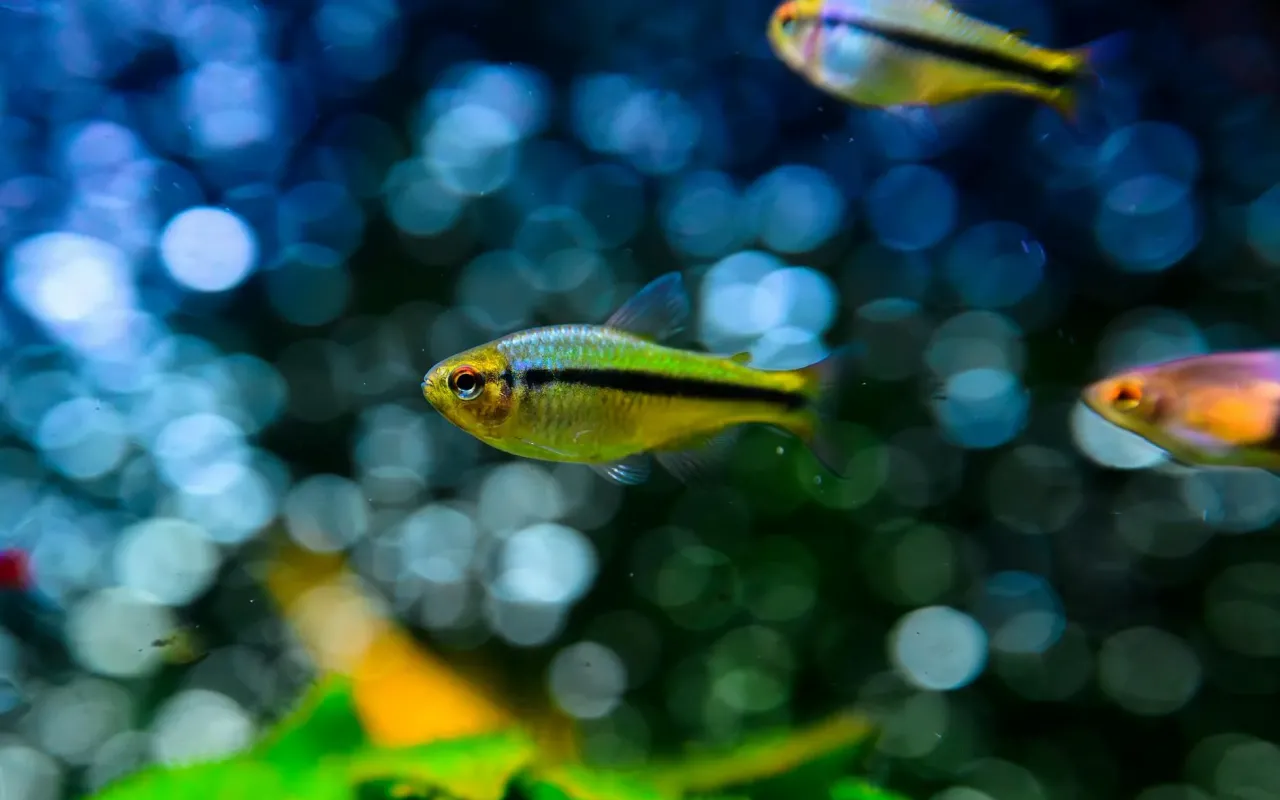
Ich is a common but deadly fish parasite. Learn how to diagnose it early, treat it effectively, and prevent it from coming back in your aquarium.
- May 13, 2026
That One Morning When Your Fish Looks Like It Got Salted
You wake up, pour your coffee, and glance at your aquarium—only to freeze. Your prized betta or neon tetra looks like someone sprinkled table salt all over its body. Tiny white dots, smaller than a grain of sand, cover its fins and gills. Your fish is scratching against the gravel like a dog with fleas. Welcome to ich, short for Ichthyophthirius multifiliis, the single most common parasite in freshwater aquariums. Nearly every fishkeeper, from beginners to seasoned hobbyists, will face ich at some point. The good news? It's treatable if you catch it early. The bad news? If you ignore it, your fish can die within days.
Ich is not just ugly—it's a parasite that burrows into your fish's skin and gills, feeding on their tissue and causing severe stress. The white spots are actually cysts, each containing a rapidly multiplying organism. Left untreated, ich can wipe out an entire tank in under a week. But here's the thing: most cases of ich are caused by stress, not a sudden invasion from nowhere. Your fish were probably carrying the parasite in low numbers, and something pushed their immune system over the edge. Understanding that connection is your first step to beating it.
In this article, I'll walk you through exactly how to diagnose ich, why it happens, and the most effective treatments—without resorting to snake oil or dangerous chemicals. You'll also learn how to prevent it from ever coming back. Let's get your fish healthy again.
What Exactly Is Ich and Why Should You Care?
Ich is a protozoan parasite with a life cycle that's both fascinating and terrifying. It starts as a tiny, free-swimming organism called a tomite that searches for a fish host. Once it finds one, it burrows into the skin or gills, feeds on cells, and forms a protective white cyst—that's the spot you see. Inside that cyst, the parasite divides into hundreds of new tomites, which then burst out and start the cycle again. This whole process takes about 3 to 7 days, depending on water temperature.
Why does this matter to you? Because that life cycle determines how you treat it. The white spots you see are actually the parasite's reproductive stage—they're protected from most medications. The free-swimming tomites are the vulnerable stage, but they're invisible to the naked eye. So if you just add medicine and hope for the best, you might miss the window. You need to treat the water when the tomites are active, which means multiple doses over several days.
Here's a practical tip: raise your tank temperature to 86°F (30°C) gradually over a few hours, if your fish can tolerate it. Higher temperatures speed up the ich life cycle, making the tomites emerge faster and become susceptible to treatment sooner. But be careful—some fish like goldfish or hillstream loaches can't handle that heat. Always check your species' temperature range first.
How to Diagnose Ich: It's Not Always What You Think
The hallmark sign of ich is those small, white spots that look like grains of salt or sugar. They typically appear first on the fins, then spread to the body and gills. Your fish might also show "flashing"—rubbing against decorations or gravel—because the parasite irritates their skin. Clamped fins, rapid breathing, and loss of appetite are common too. But here's the tricky part: other diseases can mimic ich. For example, velvet (Oodinium) causes a gold or rust-colored dust, not distinct white spots. Fungal infections look like fluffy cotton, not tiny dots. And lymphocystis is a viral disease that causes cauliflower-like growths, not uniform spots.
To be sure, do a quick visual check. Turn off the tank lights and shine a flashlight on your fish. Ich spots are slightly raised and have a distinct, round shape. If you see them on the eyes or gills, that's a red flag—the parasite is already causing serious damage. You can also take a close-up photo and zoom in to confirm. If you're still unsure, a simple scrape test at your local fish store or vet can identify the parasite under a microscope.
Actionable takeaway: don't wait for a full-blown outbreak. Quarantine any new fish for at least two weeks before adding them to your main tank. Ich can hitchhike on plants, decorations, or even water from a pet store bag. A quarantine tank doesn't have to be fancy—just a bare 10-gallon with a sponge filter and heater works. This simple step prevents 90% of ich outbreaks.
The Three Most Effective Treatment Methods
Method 1: Heat and Salt Therapy
For mild cases, this is your first line of defense. Gradually raise the water temperature to 86°F (30°C) over 4-6 hours. Then add aquarium salt at a rate of 1 tablespoon per 5 gallons of water. The salt helps your fish maintain osmotic balance and makes it harder for the parasite to survive. Keep the temperature steady for 10 days after the last visible spot disappears. This method works because the heat accelerates the ich life cycle, while the salt kills the free-swimming tomites.
But there are caveats. This approach only works if your fish are salt-tolerant—catfish, loaches, and tetras generally handle it well, but scaleless fish like kuhli loaches or corydoras can be sensitive. Also, never use table salt; it contains iodine and anti-caking agents that harm fish. Use pure aquarium salt or non-iodized rock salt. And avoid this method if you have live plants—salt can damage them.
Method 2: Over-the-Counter Medications
When heat and salt aren't enough, or if your fish can't handle the temperature, you'll need commercial ich treatments. The most common active ingredients are malachite green and formalin, often sold as "Ich-X" or "API Ich Cure." These chemicals kill the parasite in its free-swimming stage. Follow the dosage instructions exactly—overdosing can kill your fish, especially in soft water. You'll typically need to dose every 24 hours for 5-7 days, and do a 25% water change before each dose.
One mistake I see often: people stop treatment as soon as the spots disappear. Don't do that. The spots falling off means the parasite is releasing tomites, which are now in the water. Continue treatment for at least three days after the last spot is gone. Also, remove any activated carbon from your filter during treatment—it absorbs the medication and makes it useless.
Method 3: The Aggressive Approach for Severe Outbreaks
If your fish are gasping at the surface, covered in spots, or dying daily, you need to act fast. Combine heat (up to 86°F if safe), salt (1 tablespoon per 5 gallons), and medication simultaneously. Do a 50% water change first to remove some free-swimming parasites, then add the medication. Increase aeration—ich damages gills, and your fish need extra oxygen. Feed sparingly to reduce waste. In extreme cases, you might consider a formalin bath in a separate container, but that's risky and best left to experienced keepers.
I once had a tank of neon tetras where ich spread so fast that three fish died overnight. I used this combination approach and saved the remaining 12. The key was acting within hours, not days. If you see fish dying, don't wait to "see if it gets better." It won't.
Preventing Ich: Stop It Before It Starts
Ich is almost always a stress-related disease. Fish that are healthy and unstressed can usually keep low levels of the parasite in check. So the best prevention is maintaining excellent water quality and stable conditions. Test your water weekly for ammonia, nitrite, and nitrate. Keep ammonia and nitrite at 0 ppm, and nitrate below 20 ppm. Perform 25% water changes every week. Avoid sudden temperature swings—use a reliable heater with a thermostat.
Another major stressor is overstocking. A general rule is one inch of fish per gallon of water, but that's a rough guide. More accurately, consider the adult size of your fish and their bioload. A single goldfish produces more waste than a dozen neon tetras. Use an online bioload calculator or ask at your local fish store. Also, avoid aggressive tank mates that chase or nip fins—that stress alone can trigger ich.
Finally, always quarantine new additions. I know it's tempting to just float the bag and dump them in, but that's how ich enters your tank. A two-week quarantine in a separate tank with a sponge filter lets you observe for spots, flashing, or other signs. Treat prophylactically with a low dose of medication if you're worried. And never add water from the pet store bag to your tank—it's a soup of potential pathogens.
When to Call a Vet or Expert
Most ich cases can be handled at home, but there are times when professional help is needed. If your fish are dying despite proper treatment, or if the ich keeps coming back after multiple rounds, you might be dealing with a resistant strain or a secondary infection. Some strains of ich have developed resistance to malachite green, especially in areas where it's overused. A vet can perform a skin scrape and identify the exact pathogen, then recommend a targeted treatment like copper-based medications (which are toxic to invertebrates but effective against ich).
Also, if you have a rare or expensive fish, it's worth consulting a professional. For example, discus and angelfish are particularly sensitive to ich and stress. A vet can advise on supportive care like vitamin supplements or probiotics to boost immunity. Some fish stores also offer treatment services for a fee—it's cheaper than losing a $100 fish.
Actionable takeaway: keep a fish first-aid kit ready. Stock it with a reliable ich medication, aquarium salt, a spare heater, and a quarantine tank setup. When ich hits, you don't want to be scrambling to order supplies online. Having everything on hand can save your fish's life within hours.
Common Myths About Ich That Can Kill Your Fish
Myth #1: "Ich only comes from new fish." False. Ich can lie dormant in your tank for months, only to flare up when your fish are stressed. That's why a sudden temperature drop or a power outage can trigger an outbreak even in an established tank.
Myth #2: "You can cure ich by just raising the temperature." Not true. Heat alone speeds up the life cycle but doesn't kill the parasite. You need salt or medication to actually eliminate it. Without those, the ich will just reproduce faster and overwhelm your fish.
Myth #3: "Ich medication is toxic to fish." Only if you overdose. Used correctly, most ich treatments are safe for fish, though they can harm invertebrates like shrimp and snails. Always remove snails before treating, and consider moving shrimp to a separate tank if possible.
Actionable takeaway: don't rely on internet forum advice that says "just add garlic" or "use a UV sterilizer." Garlic has no proven effect on ich, and UV sterilizers only kill free-swimming tomites if the flow rate is slow enough—most home units are too fast to be effective. Stick with proven methods: heat, salt, and medication.
Final Thoughts: Your Fish Can Survive This
Ich is scary, but it's also one of the most treatable fish diseases out there. The key is acting fast, diagnosing correctly, and sticking with treatment until the last spot is gone plus a few days. I've seen tanks recover fully within two weeks with the right approach. The worst thing you can do is panic and throw random chemicals at the problem—that stresses your fish further and wastes your money.
Remember, your fish are telling you something when ich appears. They're saying "I'm stressed, something's wrong." Use this as a wake-up call to check your water parameters, feeding habits, and tank mates. Fix the root cause, and you'll not only beat ich but create a healthier environment for your fish long-term. You've got this.