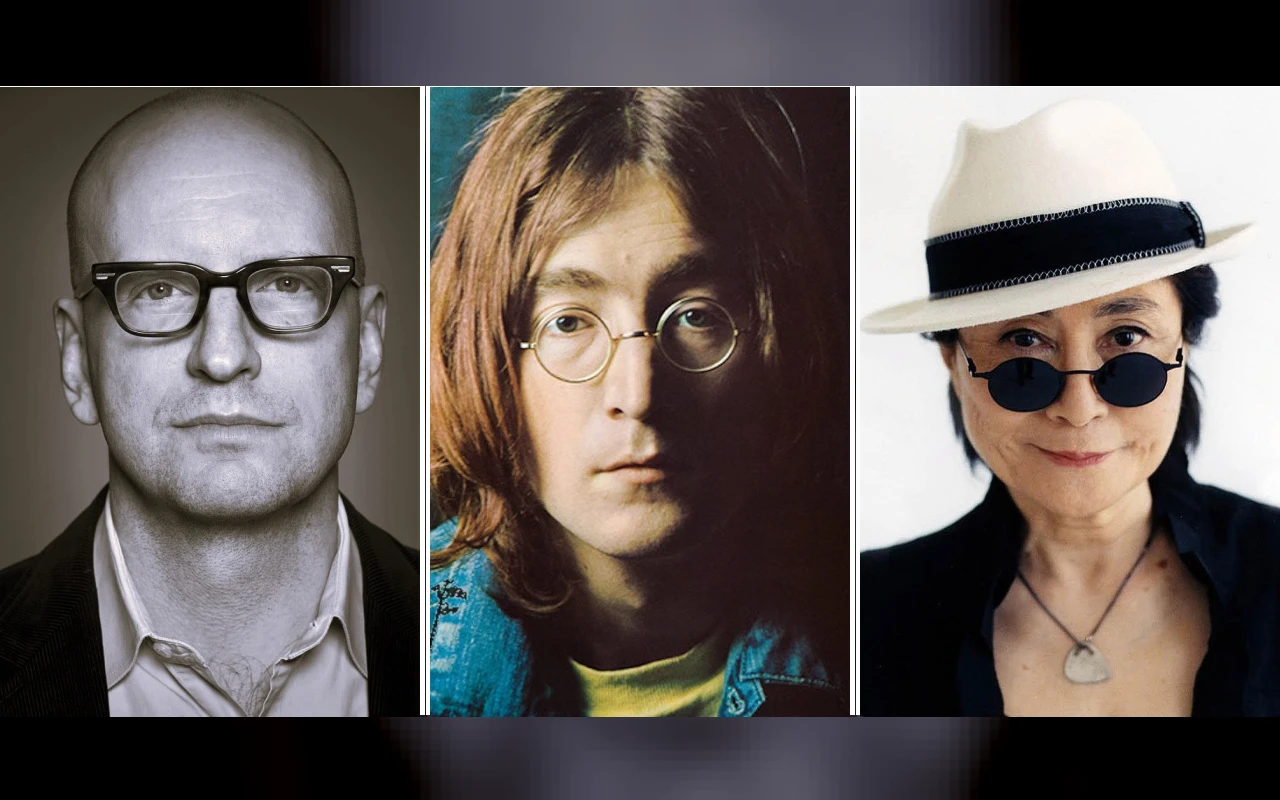
Steven Soderbergh uses AI to create surreal visuals in his new documentary, John Lennon: The Last Interview, based on Lennon’s final 1980 interview.
- May 6, 2026
AceShowbiz - Filmmaker Steven Soderbergh has shared insights into his innovative use of generative artificial intelligence in the upcoming documentary John Lennon: The Last Interview. The film centers on the final radio interview Lennon and Yoko Ono gave on December 8, 1980, mere hours before Lennon’s tragic death.
The project uses the original audio from that interview, paired with archival footage provided with support from Lennon's estate. However, for the more philosophical and abstract moments in the conversation, Soderbergh chose to incorporate AI-generated visuals to evoke a metaphorical and surreal atmosphere.
In a recent interview with Deadline, Soderbergh elaborated on why AI was the ideal tool for these specific segments, revealing that the AI elements constitute roughly 10 percent of the entire film. He described the approach as creating imagery that "enhances" the dialogue but remains metaphorical, calling it "thematic surrealism."
Importantly, the director emphasized that the AI usage was not intended to deceive or manipulate the audience. Instead, it functions like traditional visual effects or CGI — as a non-photographic technique to support storytelling. The AI visuals were developed in collaboration with Meta, which provided technical support and funding for these sequences.
Soderbergh highlighted two specific examples from the film that demonstrate why AI was uniquely suited to the project. One sequence shows one-year-old babies wearing 1960s-style clothing, crying dramatically. This humorous and surreal image illustrates a point Lennon was making but would have been impossible or inappropriate to film practically. Even if such footage existed, knowing it was real would diminish the comedic effect.
The second example involves cavemen acting out themes Lennon discussed regarding male behavior. Shooting real actors in caveman costumes would not have had the same humorous impact. The knowledge that these images are AI-created allows for a more playful and imaginative experience.
Soderbergh also addressed common misconceptions about his use of AI, particularly concerns that he might be attempting to digitally resurrect John Lennon. He firmly rejected such notions, stating, "Have we met? Do I look like somebody that would do that?" He expressed confidence that once viewers see the full film, they will understand the thoughtful and respectful way AI has been employed.
The documentary, announced last year, promises a unique blend of authentic audio and inventive visuals to explore John Lennon’s final thoughts and philosophies. By integrating AI as a creative tool rather than a deceptive one, Soderbergh aims to deepen the audience’s engagement with Lennon’s words.
This approach also reflects broader discussions about the role of AI in creative industries. Soderbergh acknowledged the emotional weight surrounding AI’s impact, especially in non-creative and real-life contexts, but distinguished his work as an artistic experiment designed to enhance rather than replace reality.
As anticipation builds for the release of John Lennon: The Last Interview, Soderbergh’s pioneering use of AI may set a precedent for future documentaries exploring abstract and conceptual themes. His collaboration with Meta underscores how technology and artistry can intersect to push cinematic boundaries while respecting the integrity of the subject.