Discover why HBO's groundbreaking series Rome revolutionized TV history, blending political intrigue, visceral drama, and cinematic scale before Game of Thro...
- April 27, 2026
AceShowbiz - When HBO launched Rome in 2005, it marked a transformative moment in television history by elevating the scope and ambition of serialized storytelling. The series expertly depicted the volatile shift from the Roman Republic to the Empire, weaving real historical figures with fictional protagonists like Lucius Vorenus and Titus Pullo, characters inspired by brief mentions in Julius Caesar’s Commentarii de Bello Gallico. This fusion of political scheming, visceral violence, and moral complexity established Rome as one of the most compelling historical dramas ever produced for TV.
Long before the fantasy juggernaut Game of Thrones captured global audiences, Rome demonstrated that television could rival big-budget cinema in both scale and storytelling depth. However, despite its critical acclaim, HBO’s groundbreaking series was short-lived, concluding after just two seasons. The cancellation left many wondering why such a promising and richly crafted show had such a brief lifespan.
Rome was one of the priciest television productions of its time. Co-produced by HBO and the BBC, its first season carried a staggering budget of around $100 million, averaging $9 to $10 million per episode. To put this in perspective, this budget exceeded that of early seasons of Game of Thrones, which were estimated at about $6 million per episode six years later. Much of Rome’s budget was devoted to tangible, practical production rather than digital effects.
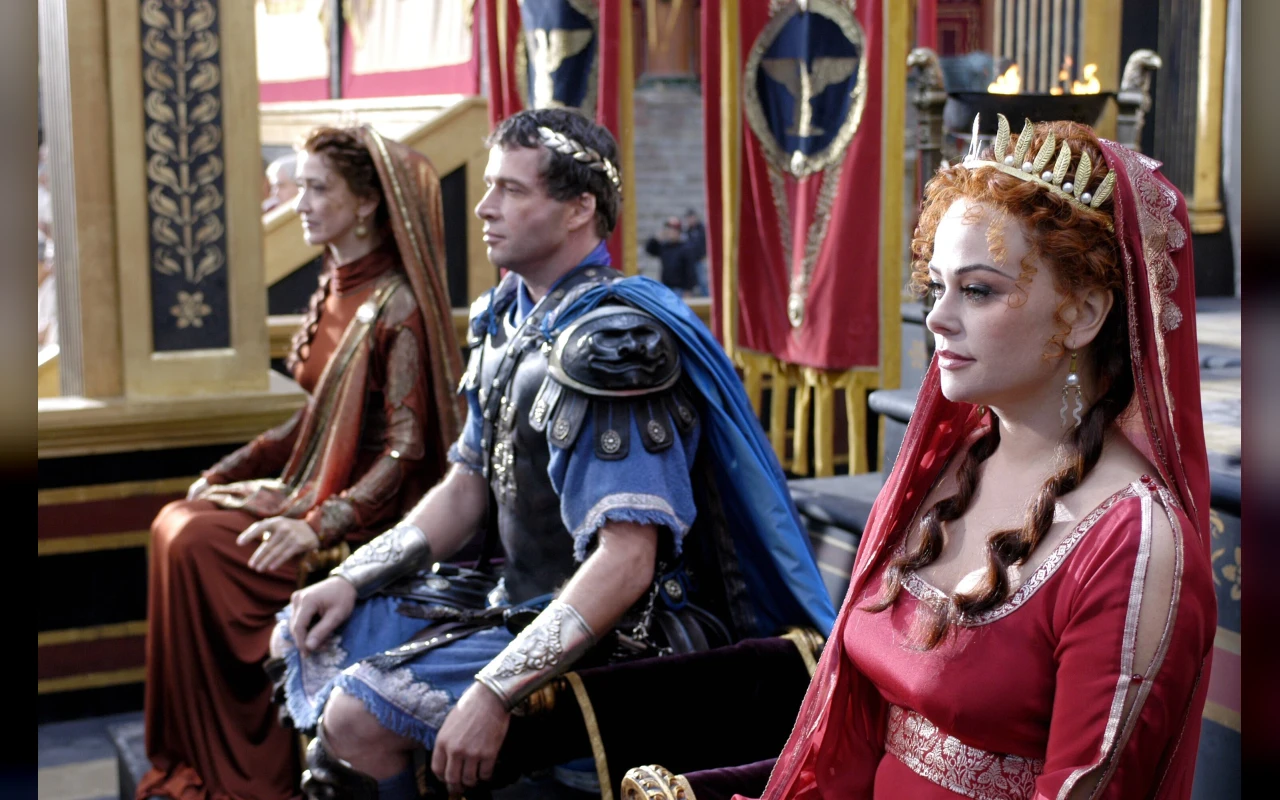
HBO invested heavily in creating a vast, authentic backlot at Italy’s Cinecittà Studios. Entire streets were constructed complete with functioning drainage systems, fully dressed interiors, and multi-dimensional buildings enabling intricate tracking shots. Thousands of extras were employed, and costume and prop departments crafted custom armor, weapons, and wardrobe pieces instead of relying on stock items. This meticulous attention to detail set a new benchmark for cable television production values and reflected HBO’s gamble that viewers would embrace cinematic storytelling from their living rooms.
Regarding historical accuracy, Rome balanced fact with dramatic license. While the timeline and character prominence sometimes deviated from the historical record, the show’s creators grounded much of the series in authentic period detail. Lucius Vorenus and Titus Pullo, though minor historical figures, were elevated to central narrative roles, driving much of the plot. Cleopatra’s portrayal leaned into her legendary mystique, stirring debate among scholars about its accuracy.
Despite these liberties, historians praised Rome for its faithful depiction of Roman urban life. The city was rendered as a bustling, chaotic metropolis alive with color and social stratification. Costume design carefully reflected class distinctions, with senators adorned in properly striped togas and plebeians in worn, practical clothing. Elite Roman women’s hairstyles were modeled on period sculptures, enhancing the show’s visual authenticity. This blend of compelling drama and historical fidelity influenced future prestige series, including the later success of Game of Thrones, which adopted a similar approach by fusing fantasy elements with grounded medieval realism.
Despite strong reviews and multiple Emmy nominations, the financial burden ultimately led to Rome’s demise. The show’s ratings, while respectable for HBO, fell short of justifying its extraordinary costs. Budgets escalated during the first season, and a fire at the studio damaged sets, forcing expensive rebuilds. Maintaining the sprawling Cinecittà backlot was a continual logistical challenge. These factors convinced HBO that sustaining the series over the long term was not economically feasible.
Although canceled after just two seasons, Rome cemented a legacy that shaped the future of television epics. It demonstrated audiences’ willingness to engage with morally complex, serialized stories filled with political intrigue and brutal violence. The series also helped HBO master the management of large ensemble casts and international production logistics, lessons that proved invaluable when producing Game of Thrones. Notably, three actors from Rome appeared later in Game of Thrones, underscoring the connection between the two shows.
By pushing the boundaries of what television could achieve, Rome paved the way for the epic storytelling that would dominate the next decade. Its ambitious scale, combined with its historical and narrative complexity, remains a milestone in TV history and a testament to HBO’s innovative spirit.