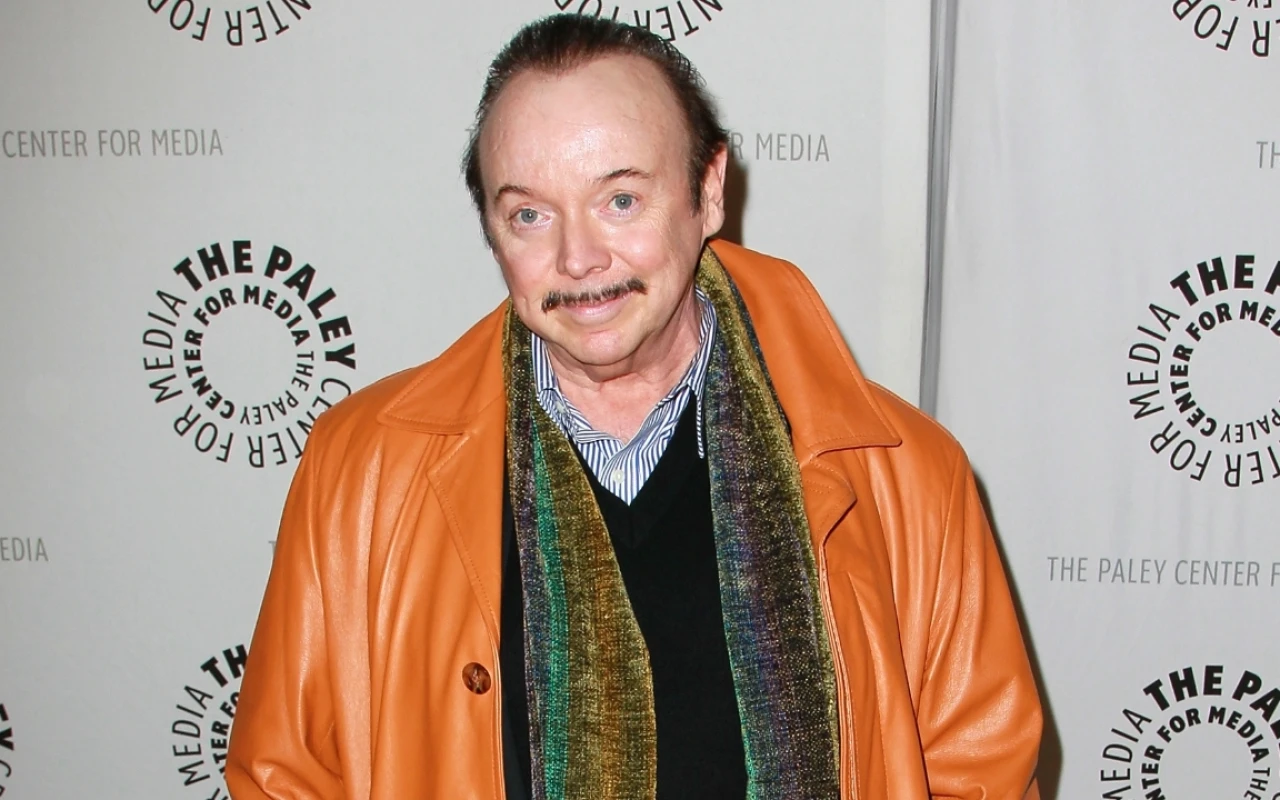
Oscars 2024 In Memoriam omits Bud Cort, star of the cult classic Harold and Maude, puzzling fans and industry observers.
- April 6, 2026
AceShowbiz - In an unexpected and disappointing move, the 2024 Oscars broadcast failed to include Bud Cort in its In Memoriam segment despite his death earlier this year in February. Known for his unforgettable role in the 1971 cult classic Harold and Maude, Bud Cort made a lasting impact on film and audiences alike. Yet, the ceremony did not even grant him a brief moment of acknowledgment, leaving many fans and industry observers puzzled by the omission.
Bud Cort first captured attention as the young, wide-eyed protagonist in Hal Ashby’s dark comedy Harold and Maude. Playing the role of a decades-younger admirer and lover of Ruth Gordon’s character, he and the film quickly rose to iconic status. The movie’s unique charm and Bud Cort’s distinctive performance earned a devoted following, making his absence from the Oscars tribute all the more glaring.
In 1984, over a decade after his breakthrough, Bud Cort sought to write his memoirs. At that time, an editor at a small press recounted a vivid encounter with the actor. Bud Cort arrived quietly, speaking softly, and shared a remarkable near-death experience. He described being rear-ended on a Los Angeles freeway, where he felt as if he had left his body and was observing the scene from above. He recalled having to consciously decide whether to return to his injured body, a decision he remained uncertain about in retrospect.
Tragically, despite the clear fault of the other driver, Bud Cort was sued and lost the case. The opposing lawyer bizarrely argued that the injuries Bud Cort sustained were merely a guise, likening them to the makeup used on the Saturday Night Live Coneheads characters. This absurd defense resulted in Bud Cort being ordered to pay a significant sum to the man responsible for nearly killing him.
The accident left visible marks on Bud Cort’s appearance, including a receding hairline and a long scar on his forehead, which he openly pointed out during their meeting. Despite these hardships, Bud Cort remained reflective and composed, with the idea of a memoir still appealing to him.
The editor recalled how young Bud Cort appeared radiantly innocent and fragile. He also shared a poignant memory of falling deeply in love for the first time while sitting by a pool—his beloved was none other than Barbra Streisand, who reciprocated those feelings.
Before this personal encounter, the editor’s impression of Bud Cort came primarily from his early film roles. His debut in Robert Altman’s M*A*S*H showcased him as a pale, vulnerable youth, characterized by a distinctive Beatles-style mop of dark hair and a bespectacled innocence that set him apart. His next role in Altman’s Brewster McCloud featured him as a peculiar boy obsessed with birds and flight, a part that didn’t entirely succeed but demonstrated his ambition to command the spotlight.
Despite the editor’s initial lack of enthusiasm for Harold and Maude—notably due to a personal aversion to Ruth Gordon’s performances—their perception shifted dramatically after meeting Bud Cort. Revisiting M*A*S*H and Harold and Maude in light of this encounter revealed the depth and rawness of his performances. The emotions conveyed were authentic and deeply felt, not merely acted, reflecting the complexity of the man behind the roles.
The editor also witnessed Bud Cort’s profound talent on stage during a 1984 off-Broadway production of Endgame. Here, Bud Cort demonstrated his ability to navigate the challenging absurdist text of Samuel Beckett, bringing multidimensionality, humor, and poignancy to the performance. This experience revealed facets of Bud Cort’s artistry that were previously unknown, highlighting his brilliance as an actor born for the stage.
Ultimately, Bud Cort’s story is one of remarkable talent, personal struggle, and a lasting legacy that transcends fleeting Hollywood fame. His work, particularly in Harold and Maude, continues to resonate deeply with fans, making his omission from the Oscars tribute all the more mystifying and regrettable.