Explore the critical divide over this indie horror film. A teen's online ritual blurs reality in a chilling study of internet loneliness and genre expectations.
- April 3, 2026
AceShowbiz - We're All Going to the World's Fair stands out as a striking example of the ongoing divide between critical acclaim and audience reception, particularly within the realm of independent horror cinema. This tension between reviewers and viewers often reveals differing expectations and interpretations of what a movie intends to deliver, especially when marketing and genre labels misalign with the film’s true nature.
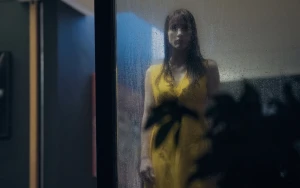
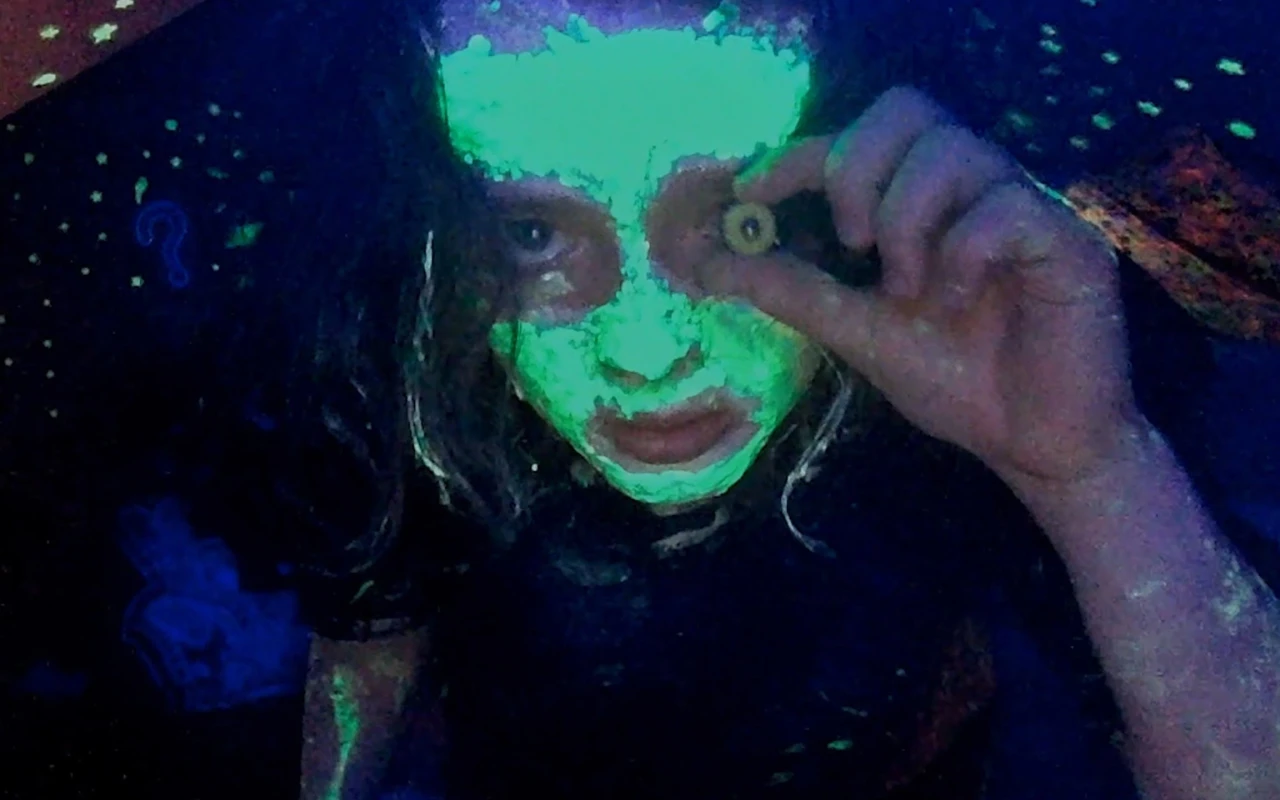
Directed by Jane Schoenbrun, We're All Going to the World's Fair centers on Casey, portrayed by Anna Cobb, a teenage girl who records herself undertaking the "World's Fair Challenge," a fictional online ritual inspired by creepypasta lore. Through these videos, Casey documents a transformation she believes the challenge causes, while receiving cryptic messages from a mysterious figure named JLB, played by Michael J. Rogers. The film’s aesthetic is marked by a low-fi, digital video style that evokes early internet culture and amplifies its unsettling atmosphere.
The film premiered in the Next section at the 2021 Sundance Film Festival and was later released in theaters by Utopia. Critics have widely praised the movie, awarding it a 91% approval rating on Rotten Tomatoes based on 124 reviews. In stark contrast, the audience score remains significantly lower at only 28%, highlighting the disconnect between critical and popular reception.
The critical acclaim for We're All Going to the World's Fair stems from its nuanced exploration of creepypasta not merely as horror folklore, but as a framework for understanding online identity and adolescent solitude. Instead of presenting a straightforward supernatural narrative, the film delves into how anonymous digital spaces allow young people like Casey to experiment with persona and cope with emotional isolation. This interpretation elevates the movie beyond genre conventions, offering a socially insightful and psychologically rich experience.
Reviewers have described the film as “narratively challenging and visually haunting,” terms that encapsulate its unconventional storytelling and atmospheric style. Schoenbrun’s personal experiences with internet fanfiction and forums informed her approach, resulting in a portrayal of teenage loneliness that treats digital culture with anthropological sensitivity. The ambient score by Alex G complements the film’s mood, blending seamlessly with the bedroom-computer aesthetic rather than imposing an external musical sensation. The intentionally grainy, low-resolution camerawork further immerses viewers, collapsing the distance between Casey’s screen interactions and the audience.
Despite this strong critical response, We're All Going to the World's Fair faced a harsh reception from many horror fans upon its theatrical release. The core issue lies in the film’s marketing as a horror movie, which attracted an audience expecting traditional genre elements such as escalating tension, clear payoffs, and direct scares. Instead, the movie offers a slow-building atmosphere of discomfort and unease, focusing on quiet moments of Casey staring at her screen or wandering a deserted rural landscape. This mood is designed to evoke psychological discomfort rather than outright fear, a subtle distinction that proved divisive.
User reviews on platforms like IMDb and Rotten Tomatoes frequently cite a “bait and switch” feeling, a reaction grounded in the disparity between promotional materials and the film’s actual content. Marketing, festival positioning, and genre tags primed viewers for a supernatural horror story, which the film deliberately avoids. Instead, We're All Going to the World's Fair investigates how creepypasta serves as an emotional escape for teenagers who feel invisible offline. The horror iconography functions as a narrative vehicle rather than the film’s central aim.
While it undeniably fits within the horror genre thematically, the film resists traditional horror mechanics. The creepypasta tradition, akin to campfire ghost stories, uses supernatural motifs to probe difficult anxieties indirectly. We're All Going to the World's Fair embraces this lineage, presenting discomfort through a character study of a teenager navigating psychological pain by adopting a fictional transformation. The absence of jump scares or a conventional frightening storyline means that audiences expecting typical horror thrills may feel misled.
This disparity explains the polarized responses to the film. Critics who appreciate its experimental narrative and thematic depth laud it, while genre fans seeking conventional scares often express frustration. The film’s deliberate pacing and introspective focus challenge typical horror expectations, positioning it more as an experimental coming-of-age study than a fright-focused entertainment.
Currently, We're All Going to the World's Fair is available for streaming on platforms such as the Criterion Collection, Hoopla, and Kanopy, making it accessible for viewers interested in exploring its unique approach to horror and adolescence.
What are your thoughts on We're All Going to the World's Fair? Feel free to join the conversation and share your perspective in the ComicBook Forum.