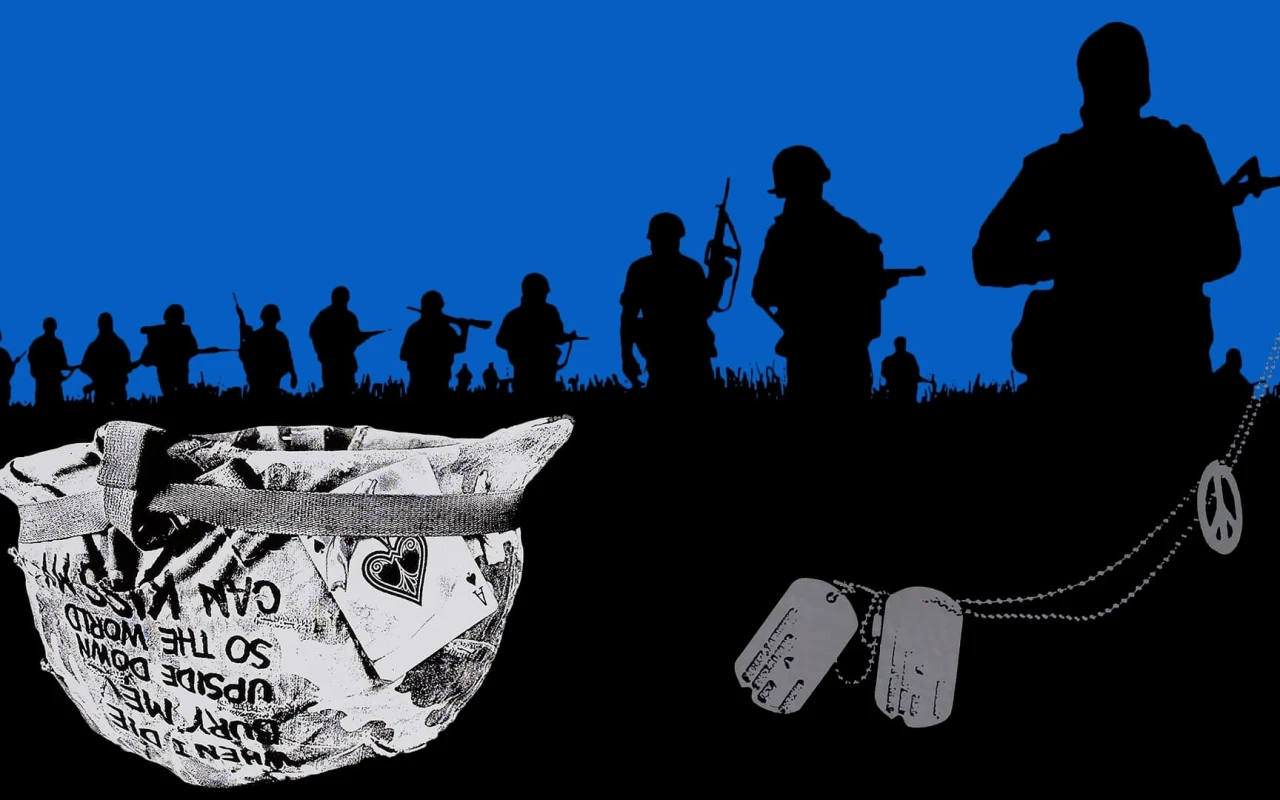
Oliver Stone critiques Apocalypse Now & The Deer Hunter as "mythological" compared to his real Vietnam War experience that shaped Platoon.
- March 29, 2026
AceShowbiz - Oliver Stone, the Oscar-winning director of Platoon, recently shared his thoughts on two of the most iconic Vietnam War films, Apocalypse Now and The Deer Hunter, describing them as "mythological" compared to his own firsthand experiences as a soldier. Stone’s comments came during a reflective interview marking the 40th anniversary of Platoon, a movie heavily influenced by his time serving as a U.S. infantryman in Vietnam between 1967 and 1968.
Platoon, released in 1986, chronicles the journey of a young American volunteer navigating the brutal realities of the Vietnam War amid growing tensions between two sergeants with opposing views on morality and the war itself. The film’s authenticity and raw portrayal of combat stem largely from Stone’s personal involvement in the conflict, which shaped his entire filmmaking career.
During the interview with Variety, Stone expressed admiration for both Apocalypse Now and The Deer Hunter but explained that their depictions of the war diverged significantly from his lived experience. He described these films as more symbolic and dramatic rather than grounded in the everyday reality of soldiers on the battlefield.
Stone elaborated, "'Coming Home' was very powerful. But it was told from the point of view of Jane Fonda as the veteran's wife. I thought it was pretty accurate, but that was not my experience. 'Apocalypse Now' I admired as a movie. But the story seemed mythological, and I couldn't square that at all with what I saw as a soldier. It's all secret ops and a strange mission on a riverboat. And the same with Michael Cimino's movie ['The Deer Hunter']. It didn't reflect what I had been through."
Unlike many Hollywood war films, Platoon was both written and directed by a Vietnam War veteran, lending the film a reputation for unparalleled realism. Its honest depiction of the conflict earned it Academy Awards for Best Picture and Best Director, and it remains widely regarded as one of the most authentic portrayals of the Vietnam War ever produced.
The films Stone referenced—Apocalypse Now and The Deer Hunter—were both released in the late 1970s and quickly established themselves as defining cinematic interpretations of the war. Directed by Francis Ford Coppola, Apocalypse Now reimagines Joseph Conrad’s Heart of Darkness within the context of Vietnam, following a U.S. Army captain on a secret mission to assassinate a rogue colonel deep in the jungle. The film is renowned for its hallucinatory atmosphere and ambitious sequences, most famously the helicopter attack set to Wagner’s "Ride of the Valkyries."
Meanwhile, The Deer Hunter centers on a close-knit group of working-class friends whose lives are irreversibly altered by the war. The emotionally wrenching film won the Academy Award for Best Picture and is remembered for its powerful depiction of soldiers struggling to reintegrate into civilian life after the conflict.
Stone argued that these earlier films tackled the Vietnam War from a symbolic or dramatic angle, rather than portraying the gritty, ground-level experiences of combat soldiers. This perspective motivated him to create Platoon, which aimed to present the war through the eyes of young soldiers caught in a morally ambiguous and brutal conflict.
Following Platoon, Stone expanded on these themes with two additional films that complete his Vietnam War trilogy: Born on the Fourth of July and Heaven & Earth. These movies explore different facets of the war’s impact, from frontline combat experiences to the long-lasting psychological and cultural effects on veterans and their communities.
Decades after their release, Vietnam War films continue to influence how audiences understand this complex and controversial chapter of American history. Apocalypse Now, The Deer Hunter, and Platoon remain among the most significant war movies ever made, each offering a unique perspective—ranging from surreal psychological epics to intimate, realistic narratives grounded in personal experience.
For those interested in a deeper exploration of Vietnam War cinema, subscribing to newsletters and analysis dedicated to the subject can provide valuable filmmaker insights and contextual understanding of how these films interpret the conflict.
While Stone acknowledges that some earlier Vietnam War films lean more toward mythology than reality, his reflections underscore the diverse ways the war has inspired filmmakers—from surreal, symbolic storytelling to stark, firsthand accounts. This diversity in cinematic interpretation continues to shape public perception of one of history’s most contentious conflicts.