Explore the early life of Richard Burton and his pivotal relationship with his adoptive father in the acclaimed new film Mr. Burton, a BAFTA-nominated drama.
- March 27, 2026
AceShowbiz - Seven-time Oscar nominee Richard Burton remains a compelling figure even decades after his passing, as evidenced by the attention garnered by the new film Mr. Burton. Directed by Marc Evans, this poignant drama explores the early life of the legendary actor and his complex relationship with his adoptive father, Philip Burton. The film has already earned critical recognition, including a nomination for Best British Film at this year’s BAFTA awards and was a standout favorite at the Palm Springs International Film Festival.
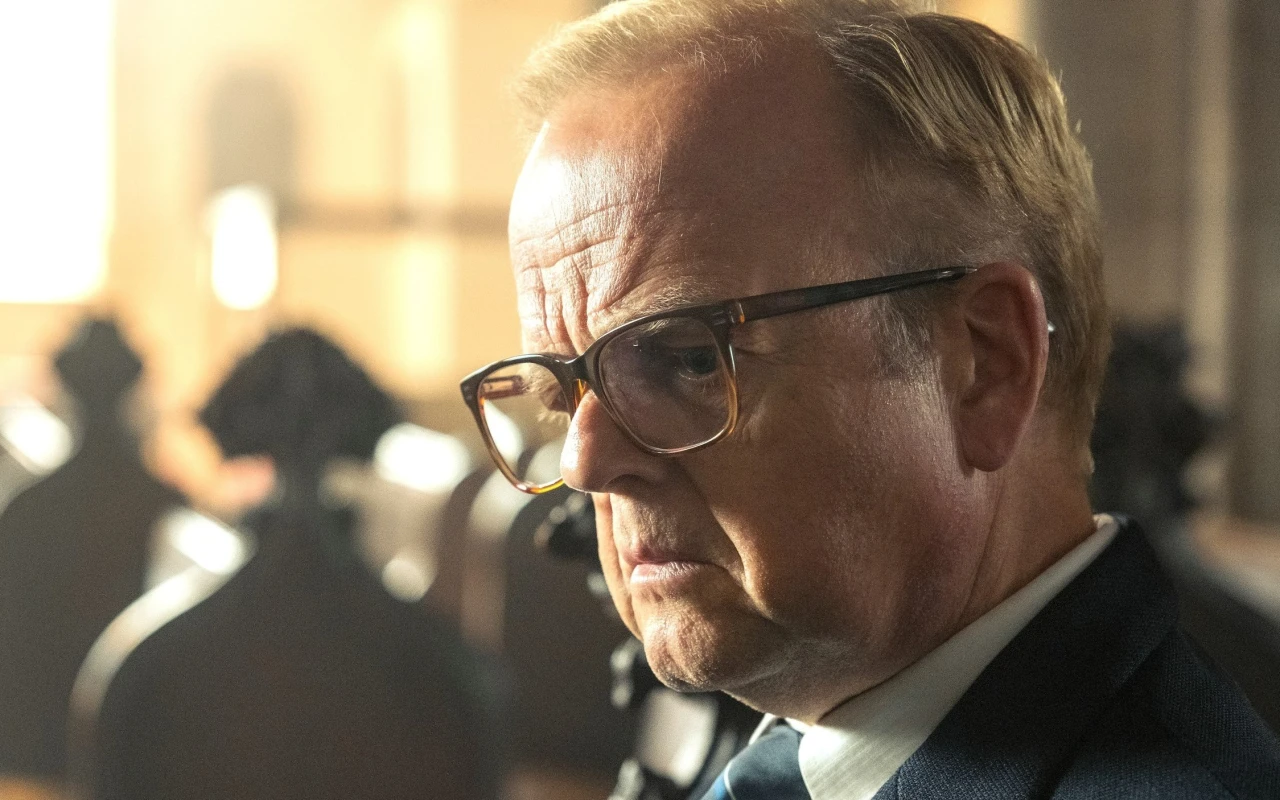
Mr. Burton opens with a quotation from Elizabeth Taylor, who famously married Burton twice after their widely publicized affair began during the 1962 filming of Cleopatra. Taylor’s words emphasize that Burton’s success was largely due to the mentorship and support of his adoptive father, Philip Burton, portrayed masterfully by Toby Jones. The role of the young Richard Burton is played by Harry Lawtey, known for his work on Industry, who captures the early promise and inner turmoil of the iconic actor.
The film traces Richard’s origins, born Richard Jenkins to a Welsh miner who deserted the family after the death of Richard’s mother. Raised initially by his older sister and her husband, Richard’s potential was spotted by his teacher Philip Burton, who recognized his literary and theatrical talents. Philip, himself an aspiring writer with connections in the BBC and theater circles, offered Richard a chance for a better future.
The narrative contrasts Richard’s harsh family environment with the modest but stable household of Philip Burton, who lives in a boarding house run by a perceptive landlady played by Lesley Manville. While Richard’s brother-in-law pressures him to quit school and help with family finances, Richard resists the idea of working in the mines and instead takes a retail job. Philip’s proposal for Richard to move into his boarding house and return to school leads to the possibility of adoption, which Richard accepts as a necessary step toward achieving his ambitions.
One of the film’s delicate themes is the nature of Philip’s feelings toward Richard. The movie carefully avoids definitive conclusions about whether Philip’s interest was purely paternal or something more complex. Although rumors and suspicions arise from Richard’s father and fellow students, the film treats these implications with subtlety, never presenting any overt impropriety. Importantly, Philip’s romantic or sexual interests remain ambiguous, and Richard’s gratitude toward Philip endures even after Richard leaves the household for several years.
The story reaches a turning point with Richard’s breakthrough role as Prince Hal in Shakespeare’s Henry IV at Stratford in 1951, where Philip’s mentorship reemerges to support the young actor’s success. This moment is a crucial foundation for Richard’s later illustrious career, including his first Oscar nomination in 1952 for My Cousin Rachel and his starring role in the 1954 Cinemascope epic The Robe. The film also nods to some of Burton’s most memorable parts, such as Becket and Who’s Afraid of Virginia Woolf?, the latter being his finest collaboration with Elizabeth Taylor.
While Lawtey’s portrayal of Richard captures the actor’s youthful intensity and vulnerability, it is Toby Jones who commands the screen, delivering one of the finest performances of his career. His depiction of Philip Burton embodies the complexity of mentorship, ambition, and affection, making Mr. Burton a significant exploration of this rare relationship dynamic rarely seen in cinema. The film’s technical elements, particularly Stuart Biddlecombe’s striking cinematography, further enhance its emotional resonance.
The supporting cast, including Lesley Manville’s sharp portrayal of the boarding house landlady, adds depth to the story’s social context. The screenplay, written by Tom Bullough and Josh Hyams, and produced by Josh Hyams, Trevor Matthews, Ed Talfan, and Hannah Thomas, carefully balances historical detail and dramatic tension over its two-hour, four-minute runtime.
Mr. Burton presents an incisive origin story that will attract both fans of Richard Burton and newcomers intrigued by the origins of theatrical greatness. While it may not replicate Burton’s famously powerful voice, the film succeeds by humanizing the actor’s formative years and shining a light on the mentorship that helped shape a legend. Opening in theaters this week, Mr. Burton is a thoughtful and affecting portrayal of ambition, loyalty, and the sacrifices entailed by both.
Distributed by Samuel Goldwyn Films, the movie also features Steffan Rhodri, Aimee-Ffion Edwards, Mali O’Donnell, and Alfie Llewyn in supporting roles. The production team includes director of photography Stuart Biddlecombe, production designer Tim Dickel, costume designer Stewart Meachem, editor Tim Hodges, music composer John E.R. Hardy, and casting director Kelly Valentine Hendry.
In a cinematic landscape where mentorship stories are uncommon, Mr. Burton offers a rare and compelling look at the bond between a gifted young man and the complex figure who propelled him toward greatness. It promises to leave audiences reflecting on the nature of guidance, talent, and the ambiguous personal dynamics behind public success.