Explore how AI is resurrecting forgotten Hollywood projects, turning shelved ideas into innovative storytelling with producers Amy Hobby and Avi Zev Weider.
- March 11, 2026
AceShowbiz - Welcome to Rendering, a Deadline column exploring the crossroads of artificial intelligence and the entertainment industry. This series delves into how AI is reshaping showbiz, revealing both its disruptive potential and the creators who are leveraging it for innovative storytelling.
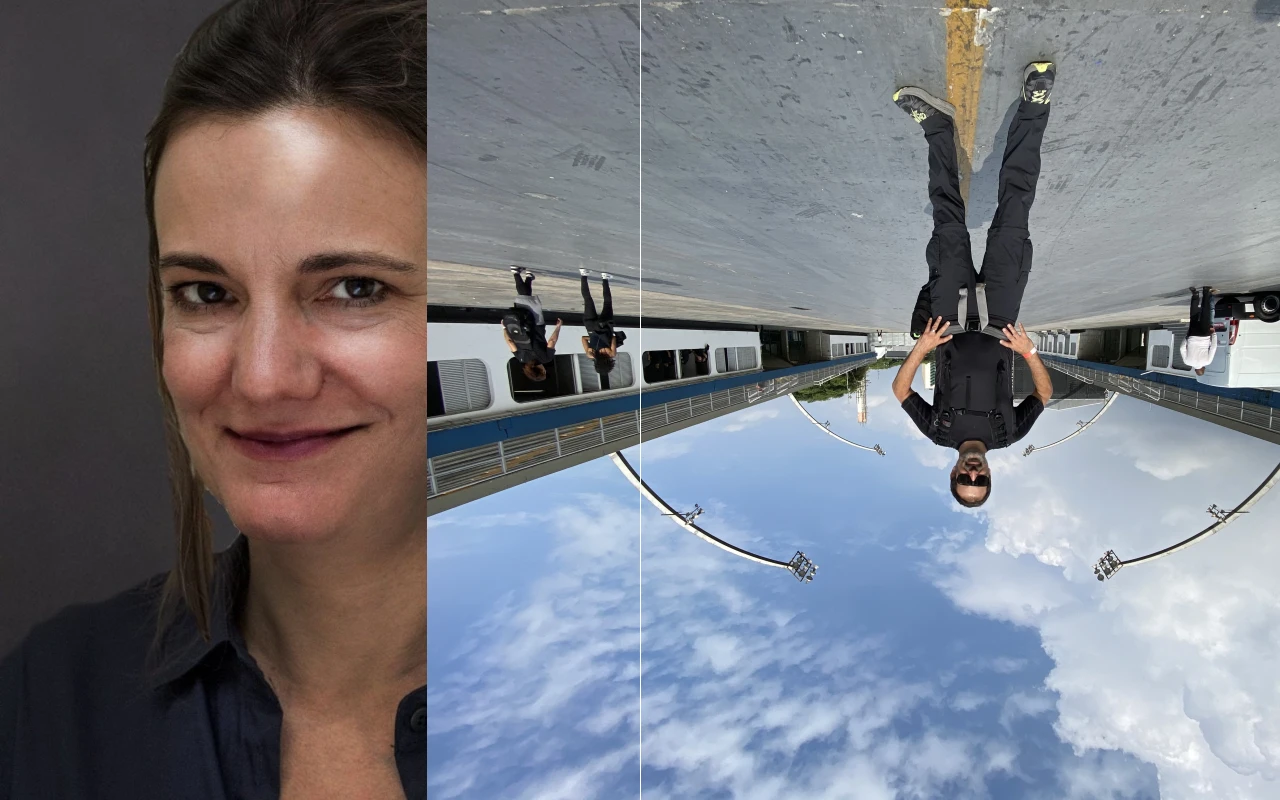
Artificial intelligence often sparks concerns about job losses and the demise of traditional creative roles. Yet, some producers are exploring a different path: using AI to breathe life into long-forgotten Hollywood projects. Among them are Amy Hobby, the producer behind the Oscar-nominated documentary What Happened, Miss Simone?, and Avi Zev Weider, director of Welcome to the Machine. Together, they are on a mission to resurrect shelved ideas with the help of generative AI.
Last summer, while decluttering her garage, Hobby discovered a collection of old, abandoned film pitches. Over coffee with her longtime friend Weider, the two reflected on creative projects that never materialized. This nostalgia sparked the idea to revive these dormant stories using AI tools that would have seemed futuristic when the ideas were first pitched. The outcome is Films Not Made, a podcast that invites Hollywood creatives to revisit their lost pitches through the lens of AI technology.
Scheduled to launch on March 3, Films Not Made will feature notable guests such as Shrek 2 director Conrad Vernon, Sideways writer Rex Pickett, and Dear White People producer Effie Brown. The podcast provides a platform for these creators to reflect on projects that slipped through their fingers. Weider, who has contributed sound expertise to Netflix’s Surviving Jeffrey Epstein and Hulu’s I Am Greta, applies AI models including Sora 2 to analyze pitch materials, scripts, and even email exchanges with studio executives. The AI-generated outputs are then discussed and dissected during each episode.
One of the early episodes centers on Poodle Power, a true story about a man racing poodles in Alaska’s Iditarod Trail Sled Dog Race. This project underwent numerous transformations over a decade, including a live-action drama set around a rescue helicopter, but never reached production. Using AI, Films Not Made reimagines Poodle Power as a “prototype” neo-2D animated feature. The episode ends with a deliberately flawed “Netflix” style trailer that has the hosts laughing at its absurdity.
Hobby describes the podcast as a form of catharsis, an opportunity to find closure for creative endeavors that once hit dead ends. She explains that guests use the platform to “reframe success” by reflecting on the collaborators they encountered and how past failures influenced future achievements. The aim is to create a supportive community that transforms the melancholy of unrealized ideas into a source of inspiration. “It feels good in this environment where a lot of people are losing jobs,” she adds.
When asked if any guests have expressed discomfort about AI’s role in the process, Weider acknowledges that some participants are skeptical. “We’re not AI boosters,” he says, “but I’ve always been interested in the intersection of technology and creativity.” He believes AI’s influence on Hollywood is now a daily reality, with many studios likely using AI tools behind the scenes to vet pitches and inform decisions quietly.
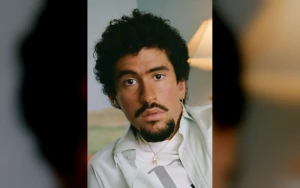
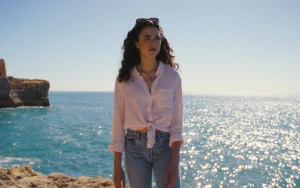
Films Not Made also tackles complex issues like personal image rights and copyright in the age of AI. When resurrecting pitches, Weider sometimes prompts the AI with specific actors to envision casting choices. For example, one revived pitch features an AI-generated trailer starring Jared Harris, known for A House of Dynamite. Hobby feels comfortable using Harris’s likeness because of a personal connection, while Weider argues that actors are already a part of the AI ecosystem, which has been trained on vast amounts of creative content—including their work—without explicit consent.
“We’re all breathing in the same air now,” Weider explains. “These tools exist. They’ve been trained on everything—actors, filmmakers, books, scripts, art. We’ve been swept into something none of us consented to. The question is what you do once you’re breathing it in.”
While Hobby hopes the podcast will offer emotional closure for its guests, Weider harbors a more ambitious dream: “In my heart of hearts, I would love it if one of these got made. If somebody watched or heard the podcast and was like, ‘That’s a f***ing good idea.’”
Films Not Made stands as an inventive experiment at the intersection of technology and creativity, reimagining Hollywood’s lost stories for a new era—one where AI might just turn past failures into future successes.