BBC chief addresses BAFTA slur controversy: Details on the live broadcast error and formal apology after offensive word aired during awards.
- March 9, 2026
AceShowbiz - Tim Davie, the outgoing director-general of the BBC, has publicly addressed the controversy surrounding the broadcast of a racial slur during the 2026 BAFTA Film Awards. Nearly two weeks after the ceremony, Davie detailed the circumstances that led to the offensive word being aired live and left available on BBC iPlayer for several hours.
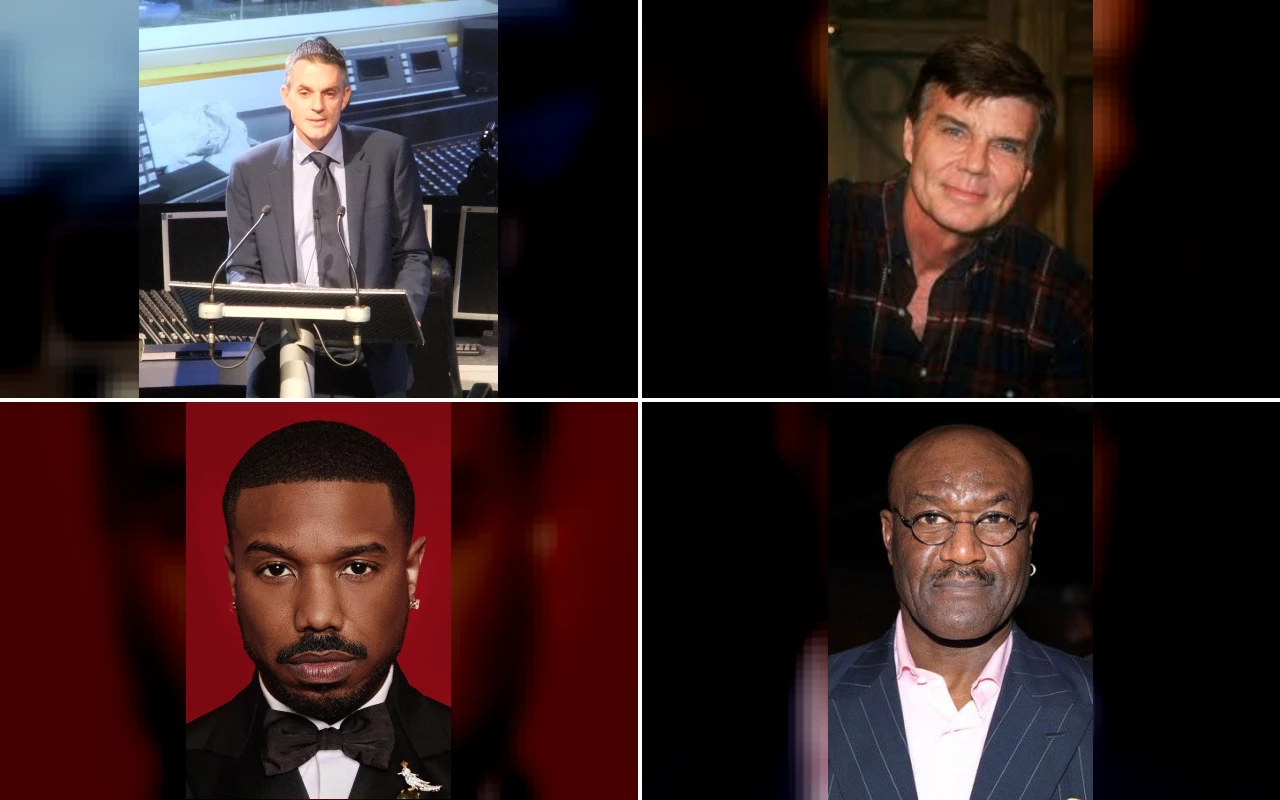
The incident involved John Davidson, a Tourette syndrome activist, who involuntarily shouted the N-word during the awards show. This occurred while actors Michael B. Jordan and Delroy Lindo were presenting an award onstage. The moment was not removed during the live broadcast delay and subsequently remained accessible online for 15 hours after the event concluded, sparking widespread outrage and media coverage.
In a formal letter addressed to Dame Caroline Dinenage DBE MP, chair of the U.K. government's Culture, Media and Sport Committee, Davie expressed the BBC’s "profound regret" over the mistake. He emphasized that although the utterance was an involuntary tic linked to Davidson’s disability, it should never have been broadcast. "It was a genuine mistake, and we take full responsibility for our error," he wrote.
The letter also shed light on the BBC’s internal investigation into how the slur was not edited out before the broadcast on February 22. According to Davie, initial evidence shows that the on-site broadcast team did not hear the first instance of the slur during the live feed. However, a second shout of the same racial slur occurred later in the evening when Wunmi Mosaku accepted her Best Supporting Actress award. In that case, the editing team did hear and promptly removed it from the version intended for broadcast.
Davie explained that these two incidents happened within ten minutes of each other. After the second incident, the editing team began receiving reports, including from BAFTA representatives, about a racial slur being shouted. Nevertheless, the team mistakenly believed they had already handled the issue when they removed the slur from the second incident's footage. This misunderstanding contributed to the first slur remaining in the broadcast.
Regarding why the footage stayed on BBC iPlayer despite concerns raised by Warner Bros. within minutes of the broadcast, Davie stated that the on-site team did not think the slur was audible in the broadcast. Therefore, the footage was not removed until the following morning, when the Chief Content Officer authorized its removal after the issue was escalated.
Davie said the BBC is now conducting a more detailed review to understand why the team did not recognize sooner that two separate instances of the slur had occurred and why post-broadcast action was delayed. The BBC's Executive Complaints Unit (ECU) is also investigating the matter and will report its findings in due course.
In the wake of the controversy, Davie assured that lessons have been learned to prevent such errors in the future. The incident has continued to generate backlash well into the second week after the awards ceremony.
Alan Cumming, who hosted the BAFTAs, addressed the audience immediately after the slur was heard. He offered an apology on stage, explaining that Tourette syndrome is a disability characterized by involuntary tics and language. "The tics you've heard tonight are involuntary, which means the person who has Tourette's syndrome has no control over their language," he said. "We apologize if you are offended tonight."
Despite this, Delroy Lindo later revealed that neither he nor Michael B. Jordan were approached by BAFTA officials following the incident to offer an apology or acknowledgment. Speaking to Vanity Fair at a Warner Bros. after-party, Lindo said they did "what we had to do" while on stage but expressed disappointment that no BAFTA representative spoke to them afterward.
John Davidson also publicly addressed the incident the day after the ceremony. He reiterated that his verbal outbursts and uncontrollable swearing are symptoms of Tourette syndrome and are involuntary. Davidson expressed his deep remorse for any offense caused and emphasized his lifelong commitment to supporting the Tourette's community and fostering empathy and understanding.
BAFTA issued a comprehensive apology to all affected by the incident, acknowledging the harm caused and promising to address the situation thoroughly. The incident has since become a significant topic of discussion beyond the BAFTAs.
Notably, the racial slur incident was referenced at the 2026 NAACP Image Awards, highlighting its impact on the wider entertainment industry. Additionally, it inspired a sketch on the comedy show Saturday Night Live. The March 1 sketch, which did not air during the official broadcast due to time constraints, featured the host, Connor Storrie from Heated Rivalry, alongside other cast members. The sketch humorously portrayed canceled celebrities blaming their controversies on Tourette syndrome and arguing for forgiveness based on the lack of control over their actions. The clip was posted on social media and drew swift criticism from viewers.
This controversy underscores the challenges broadcasters face when managing live events, especially when disabilities that cause involuntary behavior are involved. The BBC’s response and ongoing investigations aim to ensure stricter oversight and more sensitive handling of such situations in the future.