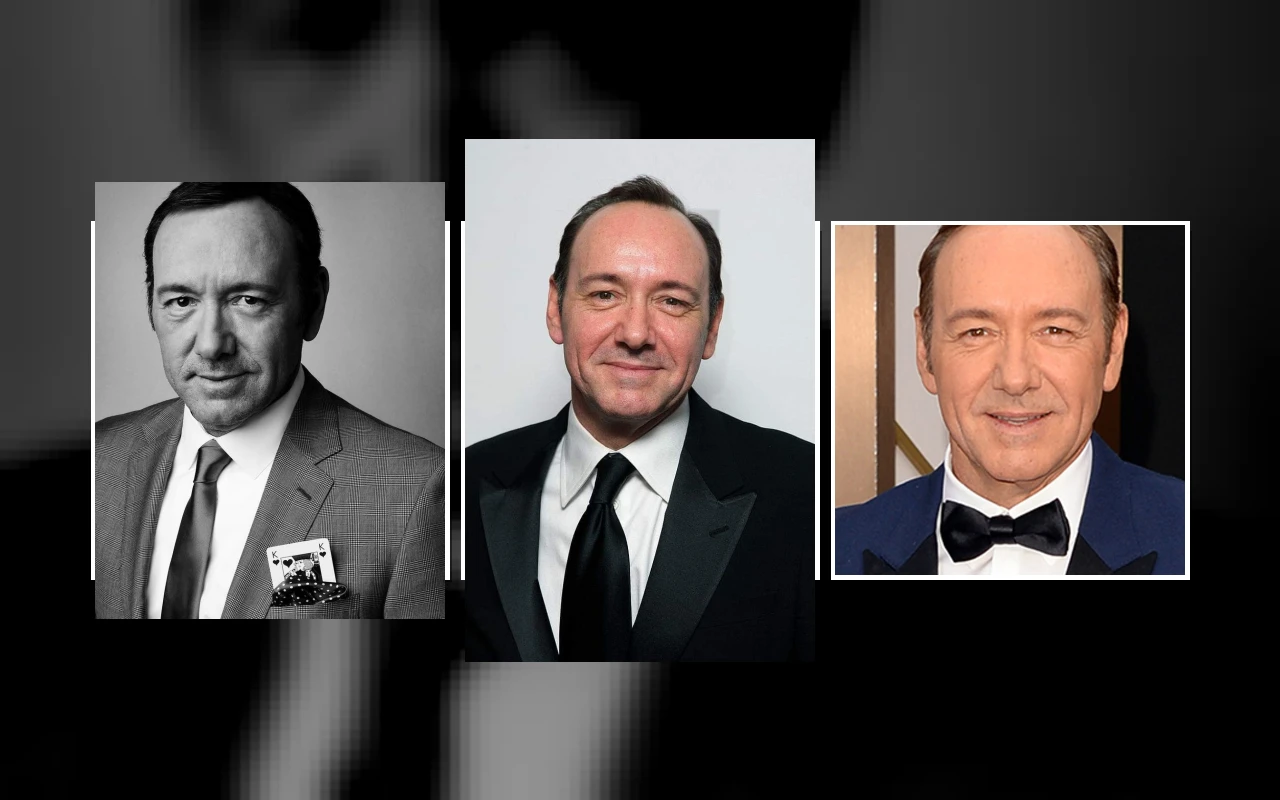
$100M insurance trial: Did Kevin Spacey's removal from House of Cards count as "sickness" or a business decision? A precedent-setting case.
- March 2, 2026
AceShowbiz - The House of Cards production company, Media Rights Capital, is now in court battling its insurer for over $100 million in losses tied to the show's final season, a trial made possible by an extraordinary deal with star Kevin Spacey.
The core legal question is what caused Kevin Spacey's removal from the series: Was it a "sickness" covered by the insurance policy, or was it a business decision driven by sexual assault allegations? The outcome will set a major precedent for production insurance.
MRC had insured the sixth season of House of Cards against losses related to a cast member's "sickness." After allegations against Kevin Spacey surfaced in late 2017, the actor entered a rehabilitation facility. MRC suspended him, scrapped the existing scripts, and wrote his character out completely, incurring massive costs.
Insurer Fireman's Fund refused to pay, arguing the losses resulted from the fallout of the allegations and MRC's decision to suspend Kevin Spacey, not from a sickness. Previously, courts dismissed MRC's claims against the insurer, forcing the company to find a new legal strategy.
MRC's path to trial hinged on cooperation from Kevin Spacey. The actor owed MRC over $31 million from a prior arbitration ruling that found he breached his contract by violating anti-harassment policies. To secure his testimony, MRC struck a deal, reducing the judgment against him to $1 million.
In exchange, Kevin Spacey provided a court declaration stating he may have killed himself if forced to return for the final season and handed over his medical records. This testimony allowed MRC to reframe the case around the actor's health, specifically a claimed sex addiction.
The trial will scrutinize a conflicting timeline. After the first allegations were published on October 29, 2017, MRC halted production. On November 2, after a CNN report involving crew members, Kevin Spacey entered The Meadows, a luxury rehab facility. MRC suspended him the next day.
However, on November 4, Kevin Spacey's lawyer told MRC the actor was "available, willing and able" to fulfill his contract. This clashed with earlier statements from his agent that Kevin Spacey was "sick" and would be away for at least six months. MRC proceeded to remove his character.
Fireman's Fund will argue that MRC's decision was a business calculation influenced by distributor Netflix. Court filings allege Netflix threatened not to air new episodes if MRC kept Kevin Spacey, and that the streamer exercised "tiebreaker" rights over casting on November 3.
MRC's CEO has owned up to the decision to remove Spacey. Former MRC executive Pauline Micelli testified, however, that those rights had "everything to do with" the character's removal. Jurors must decide if Netflix's pressure constituted a de facto exercise of its power.
MRC has assembled evidence to show Kevin Spacey could not and should not have returned to set. The jury's toughest task will be determining if the losses were "solely" caused by a sickness, as the policy requires, or by the surrounding scandal.
The legal argument turns on whether the problematic behavior—the alleged assaults that triggered the crisis—can be considered a manifestation of an underlying sickness. MRC contends Kevin Spacey's conduct, his need for rehab, and the risk he posed were all direct results of his condition.
The trial's result will clarify insurance coverage for productions facing similar star implosions.
This article is based on reporting originally published by The Hollywood Reporter.