Video game adaptations miss prestige storytelling. Noah Hawley's Far Cry series promises to be a boundary-pushing anthology, redefining the genre.
- November 27, 2025
AceShowbiz - Video game adaptations are undeniably having their moment, yet many continue to operate within a familiar, comfortable blueprint. They often prioritize recreating gameplay loops, echoing fan-favorite lines, and banking on brand recognition to ensure success. What these adaptations frequently overlook is the pursuit of the daring, tonally complex storytelling that defines true prestige television. This is precisely why
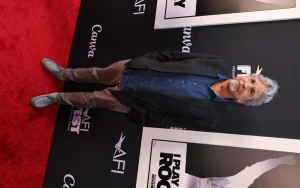
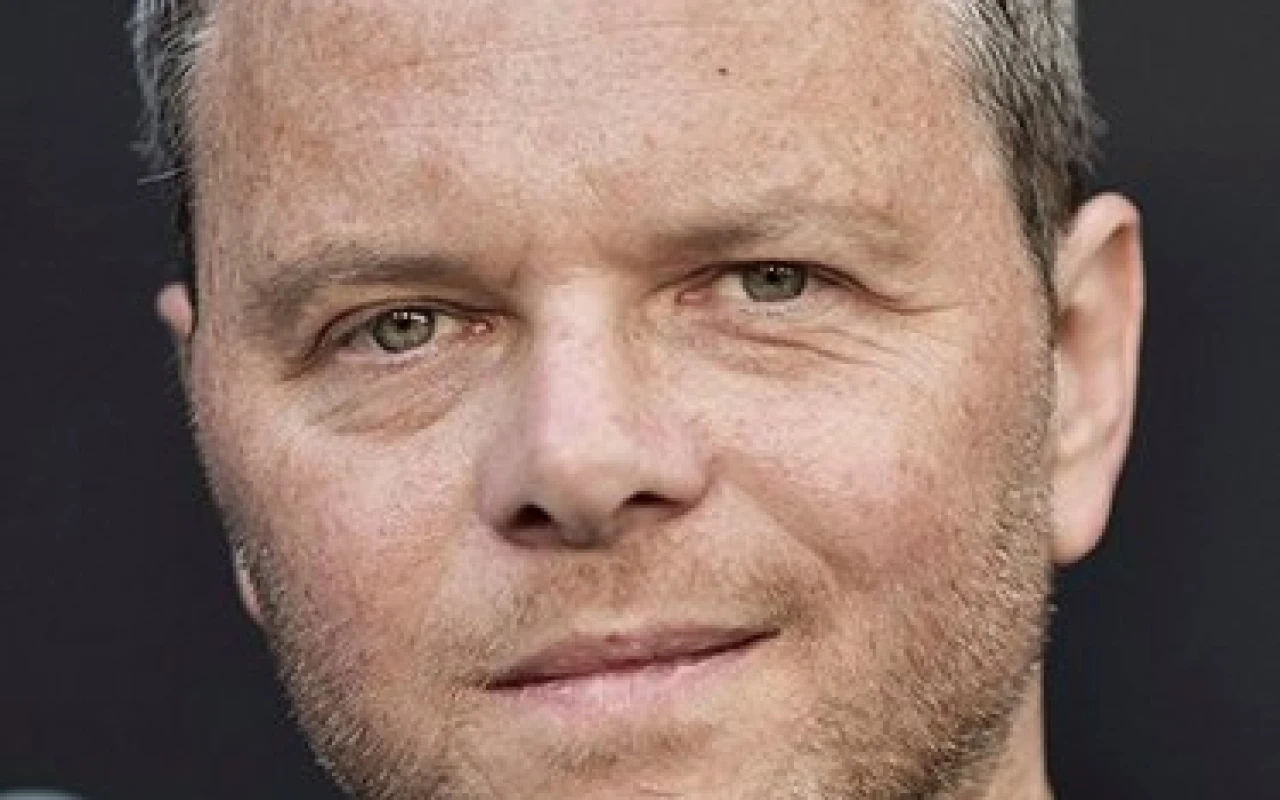
Noah Hawley's Far Cry series stands out as one of the most intriguing projects on the horizon. It isn't merely another adaptation of a beloved franchise; under the creative guidance of Noah Hawley (and Rob Mac), it possesses the profound potential to become the kind of boundary-pushing anthology that video game adaptations have long awaited.
The Far Cry series, one of Ubisoft’s longest-running franchises, distinguishes itself not through its open-world chaos, outpost takeovers, or wildlife encounters, but through its consistently unique tone. Each installment delves into a different region and explores a distinct ideological pressure point. The result is a collection of self-contained narratives that grapple with themes of extremism, societal collapse, the insidious power of cults, the resilience of local resistance, and the profound moral cost of liberation. These ambitious ideas have always granted Far Cry an identity that transcends the typical shooter framework. At its very best, Far Cry plays like a twisted, unsettling travelogue, narrated by the worst person you could possibly imagine. This inherent tonal richness is tailor-made for prestige television, and Hawley is undeniably one of the few creators capable of translating that raw energy without sanding down its essential teeth.
Noah Hawley has an established track record of transforming existing properties into something profoundly unsettling and literary. He famously reimagined the Coen Brothers’ singular film Fargo into a critically acclaimed rotating anthology series exploring crime, guilt, and the fragile myth of American decency. His work on Legion took a Marvel character and brilliantly rendered his inner world as a kaleidoscopic journey through trauma, identity, and unreliable narration. Even his upcoming project, Alien: Earth, demonstrates his talent for taking expansive sci-fi ideas and grounding them in compelling characters struggling to survive within systems far larger and more menacing than themselves.
Hawley’s thematic interests align almost perfectly with what Far Cry has consistently delivered. He gravitates toward morally unstable characters who find themselves inexorably drawn into ideological systems too vast and complex to fully comprehend. He cherishes regional specificity, crafting worlds where local culture and belief become the most dangerous weapons in the room. He thrives when the world feels subtly, unsettlingly wrong, and the Far Cry series is, if nothing else, a meticulously crafted catalog of places where everything feels precisely that way. This profound overlap between creator and source material is precisely what makes Hawley's Far Cry series so compelling and promises a truly transformative viewing experience for video game adaptations.